
Presidential Instruction Backs Forestry Minister's Push to Strengthen National Elephant Conservation
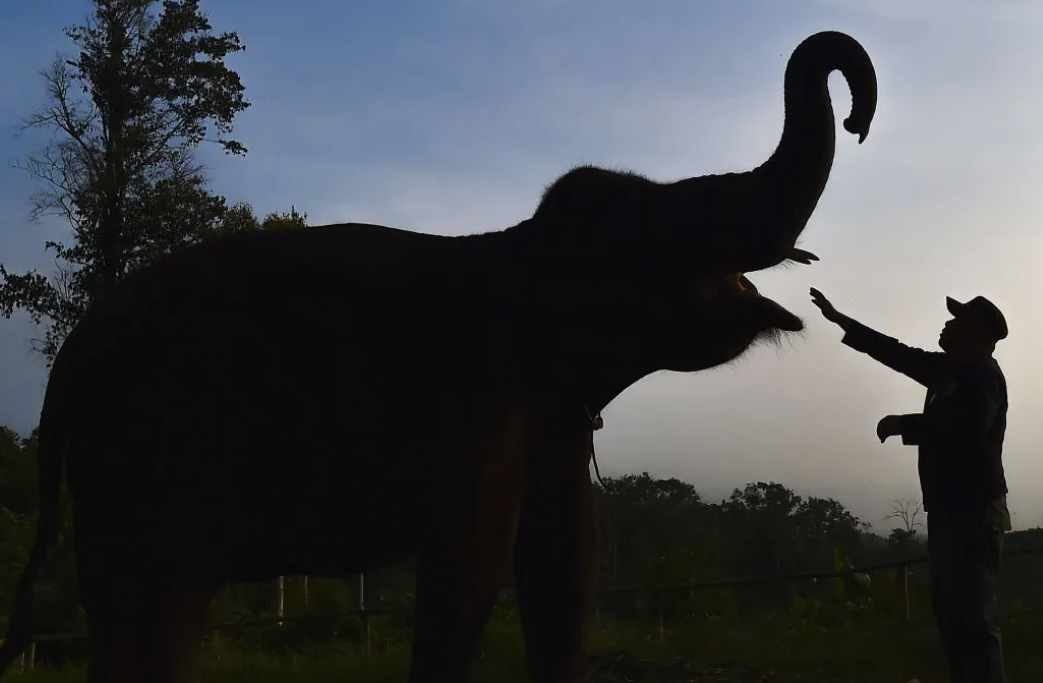
Presidential Instruction (Inpres) Number 8 of 2026 concerning the Acceleration of Elephant Protection is considered an important milestone in strengthening wildlife conservation efforts in Indonesia. Experts view the policy as affirming the government’s commitment to building an integrated elephant protection system involving various sectors.
A member of the IUCN SSC Asian Elephant Specialist Group (AsESG), Wahdi Azmi, said the regulation brings a fundamental change in the elephant conservation approach. According to him, elephant protection is no longer seen as solely the responsibility of the conservation sector, but rather as a national development agenda involving all stakeholders.
“Through this Presidential Instruction, the President has provided a clear direction that the protection of elephant populations and habitats is a national development agenda requiring the involvement of all ministries, institutions, regional governments, businesses, academics, and the community. This is a very fundamental paradigm shift for the future of elephant conservation in Indonesia,” Wahdi said on Thursday (9/7).
Wahdi assessed that this paradigm shift aligns with the vision of the Minister of Forestry, Raja Juli Antoni, regarding wildlife conservation management, particularly for elephants. Based on several discussions held with the Minister, he sees consistency in promoting a conservation approach that is no longer partial, but based on landscapes and cross-sector collaboration.
He added that saving elephants will not be effective if it only focuses on protecting certain areas or resolving conflicts sporadically. Instead, protection must be carried out comprehensively across all elephant population pockets.
“Therefore, from the outset, he (Raja Juli) has been pushing for the comprehensive, systemic, and landscape-based protection of elephant population pockets. The issuance of this Presidential Instruction, in my view, is a tangible reflection of that policy direction, namely ensuring that all elephant population pockets receive integrated protection through cross-sector cooperation,” he explained.
Wahdi stated that the regulation comes at the right momentum as it complements various government policies previously issued to strengthen biodiversity conservation.
Regarding implementation, Wahdi revealed that the Ministry of Forestry, together with the Indonesian Elephant Conservation Forum and various stakeholders, is currently finalising the Strategy and Action Plan for the Conservation of Sumatran and Kalimantan Elephants as a guideline for implementing the Presidential Instruction.
“At the same time, we also have a major task in managing elephants ex-situ. Going forward, the ex-situ conservation strategy must be designed as an inseparable part of the in-situ strategy, so that all conservation components work in a unified system with the ultimate goal of ensuring elephant populations remain sustainable in their natural habitats,” he elaborated.
Wahdi is optimistic that the synergy between government leadership, the President’s support through Inpres Number 8 of 2026, and the implementation of the Strategy and Action Plan will make Indonesia a global reference point for landscape-based elephant conservation.
“With strong government leadership, cross-sector collaboration, and good implementation of the Strategy and Action Plan, we are not only saving elephants as an iconic Indonesian species, but also safeguarding landscapes, ecosystem services, and biodiversity heritage for future generations,” Wahdi concluded.