
President Under Pressure as Nation Faces Sudden Dollar Crisis
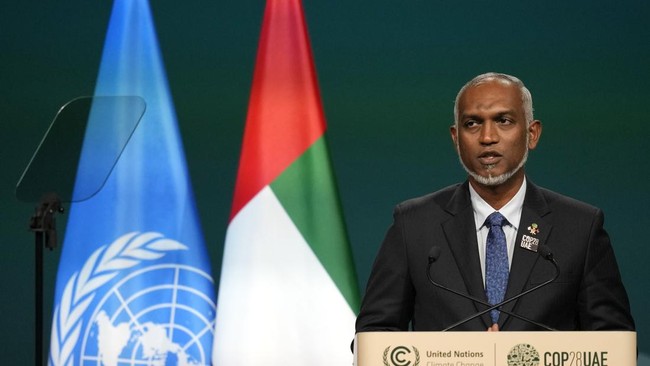
The United States dollar crisis is now hitting the Maldives, presenting both an economic problem and a political test for President Mohamed Muizzu.
The scarcity of foreign exchange is making it difficult for businesses to pay overseas suppliers, while the government must maintain dollar availability for imports and debt repayments.
Quoting The Diplomat on Wednesday (26/09/2026), the crisis is occurring as the Maldives faces substantial external debt obligations. The burden of debt payments falling due throughout 2026 reaches approximately US$1.7 billion (IDR 30.4 trillion), putting significant pressure on foreign exchange reserves.
The Muizzu administration argues that much of this burden is a legacy of the previous government. However, the current administration is also continuing to pursue large-scale infrastructure projects.
Pressure has intensified after the Maldives paid a US$500 million sukuk and completed a US$400 million currency swap facility with India. While these payments helped avoid default risks, they simultaneously reduced the supply of dollars available to the domestic economy.
Black Market
The dollar shortage has reportedly forced several businesses to wait weeks to settle payments with foreign suppliers. This condition has also spurred activity in the informal foreign exchange market.
In response, the government has tightened foreign exchange trading. Since September 2026, the sale of foreign currency above the value set by monetary authorities may be subject to criminal sanctions.
The government has also taken a controversial step by requiring certain categories of resorts to convert 40% of their monthly foreign exchange earnings through local banks. This policy came into effect on 1 September 2026.
The government maintains that this policy is necessary to ensure more dollars from the tourism industry enter the domestic banking system. However, tourism industry players have questioned the policy, noting that resorts also have various dollar-denominated obligations, including operational costs, salaries, rent, and foreign debt.
Attacks on the President
The dollar issue has now become political ammunition for groups criticising the Muizzu administration. Former President Abdulla Yameen, for instance, has criticised the 40% resort revenue conversion mandate, calling it a sign that the government has failed to manage foreign exchange issues.
The government has refuted these criticisms, stating that the policy is necessary to increase the domestic dollar supply. President Muizzu himself stated that the policy aims to improve the circulation of dollars within the country and assist in meeting essential import needs.
Economic Minister Mohamed Saeed echoed this sentiment, asserting that the government has taken steps to address the foreign exchange issue and protect the Maldives from the risk of bankruptcy.
This situation becomes increasingly critical as Muizzu faces the next presidential election in 2028. Consequently, the government’s ability to manage the dollar shortage, maintain imports, and meet debt obligations could become a pivotal part of its record in the eyes of voters.