
President Shot Dead by Trusted Aide During Dinner
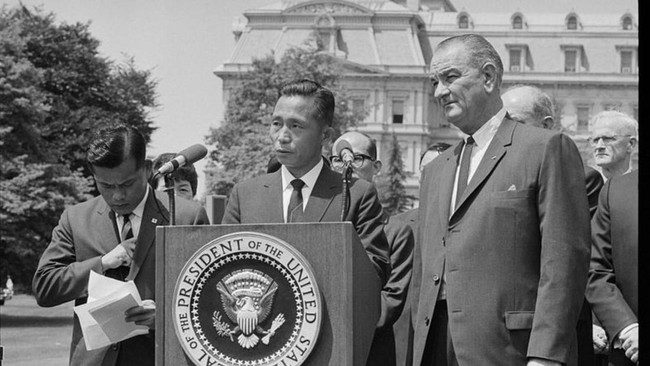
Jakarta, CNBC Indonesia – South Korean President Park Chung-hee was shot dead by one of his own trusted aides while attending a dinner. The incident on 26 October 1979, exactly 47 years ago today, ended the rule of a leader credited with South Korea’s economic development but also known for governing authoritatively.
That evening, Park attended a private dinner at a safe house belonging to the Korean Central Intelligence Agency (KCIA) in Gungjeong-dong, Jongno District, Seoul. He was accompanied by KCIA director Kim Jae-gyu.
According to BBC International, the dinner suddenly turned into a tragedy when Kim drew a pistol and shot Park. Presidential Security Service chief Cha Ji-chul, who was responsible for the president’s safety, was also killed in the incident.
The violence did not end inside the room. Outside, Kim’s bodyguards also opened fire on the presidential security forces who were still holding their positions. Within minutes, six people, including President Park, had been killed at the scene.
After killing Park, Kim went to South Korea’s Army headquarters to request the imposition of martial law. He made the request before several senior military officers knew that the man bringing it was the president’s killer.
The situation then turned against Kim after senior military officers were informed about the incident. He was arrested and taken into custody to face legal proceedings.
During his trial, Kim said his actions were part of a struggle for the democratisation of South Korea, according to the Korean Daily website. But, as various accounts of the case have noted, that claim raised questions: Kim belonged to Park’s authoritarian governing elite and was not known as an active figure in the democracy movement.
Park’s death left millions of South Koreans in mourning. He was regarded as a leader who had successfully driven the country’s economic transformation. Reuters reported that under his leadership Park developed industries and infrastructure that laid the foundations for the rise of South Korea’s economy.
However, that development came at the cost of political freedoms. Park’s government frequently suppressed opposition groups, restricted press freedom and used the security forces against those it considered a threat to its rule.
Park’s death also carried a particular irony. After twice surviving assassination attempts by North Korean agents, he died at the hands of Kim Jae-gyu, an intelligence official from within his own circle of power.