
President Prabowo's Speech in Senayan: From Noisy Criticism to the Politics of Results
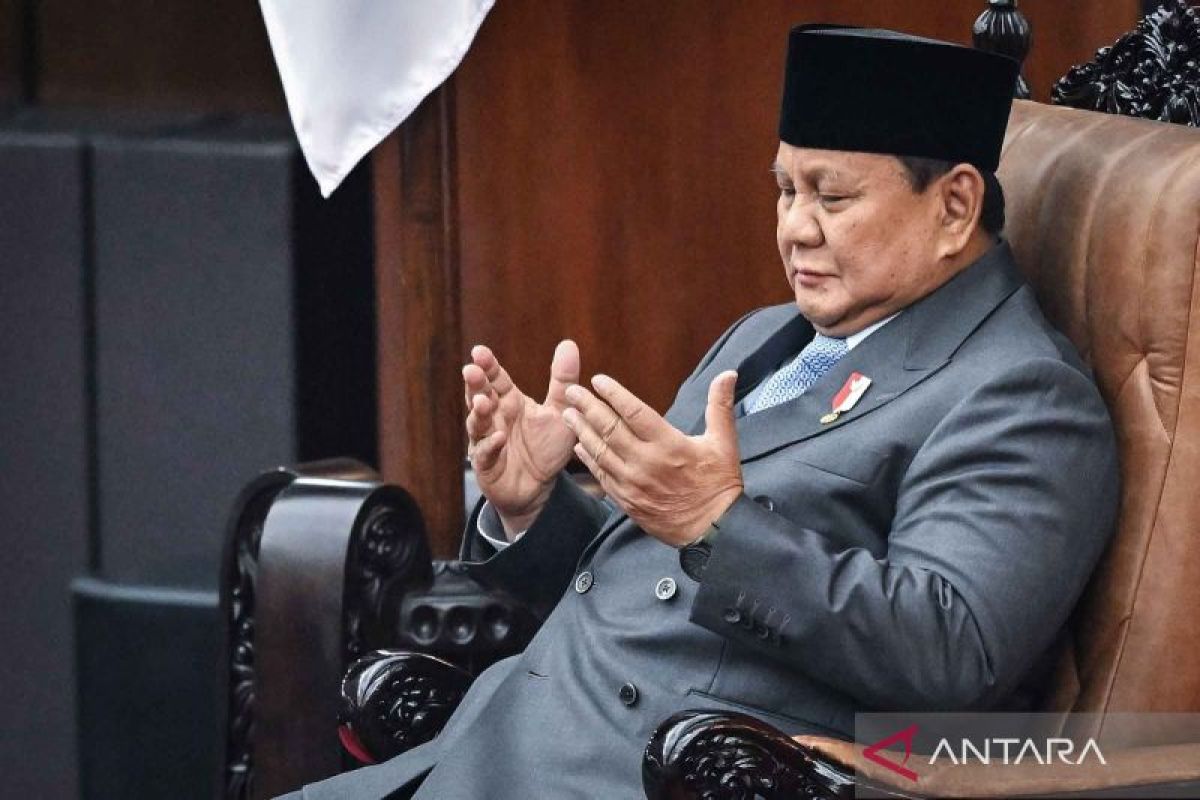
There was something different about President Prabowo Subianto’s two speeches at the parliamentary complex in Senayan on 14 August 2026. The President did not come merely bearing grand statements about Indonesia’s future. He also brought figures.
Figures on economic growth, investment, food, energy, fertiliser, infrastructure, poverty, downstreaming, Free Nutritious Meals (MBG), Sekolah Rakyat, Koperasi Desa Merah Putih, Kampung Nelayan Merah Putih, and the restructuring of state-owned enterprises.
This matters because nearly two years of the Prabowo administration have unfolded in a noisy public sphere. Social media has made governing feel like working in a stadium where the spectators never go home. Policies are announced in the morning, debated by midday, and by evening they have already become memes and objects of ridicule.
Prabowo is not immune to such criticism. He appears to have taken note of all of it.
MBG was criticised for its large budget and several implementation problems. Sekolah Rakyat was called overly ambitious. Koperasi Desa Merah Putih was doubted for its effectiveness. Downstreaming was questioned for its direct benefits to the people. Economic growth was deemed not yet automatically delivering quality jobs. Even the President’s spontaneous, lengthy, and sometimes harsh communication style became a subject of debate. Nothing escaped scrutiny on social media.
Is all criticism of Prabowo wrong? Certainly not. In a democracy, the government must be criticised. Especially now, when social media makes criticism arrive much faster, noisier, and sometimes without sufficient context.
The fairer question is: after 21 months in office, does the government have enough evidence to answer some of that criticism?
In my view, the answer is: yes, quite strong—although the homework remains substantial.
From ‘will’ to ‘has’
Compared with his first state address in Senayan on 15 August 2025, there is an interesting shift in Prabowo’s political language. Last year was more a speech about direction; this year felt more like a speech about results.
In 2025, when his administration was only 299 days old, Prabowo spent much time explaining the foundations: Article 33 of the 1945 Constitution, food and energy sovereignty, downstreaming, employment, education, health, and an economy for the greatest prosperity of the people.
A year later, several of those agendas returned to Senayan accompanied by more concrete figures: 21 months or 663 days of government, 121 transformation policies, economic growth of 5.61 percent in the first quarter of 2026, investment of around Rp1,010 trillion in the first half, as well as various achievements and policies in food, fertiliser, energy, education, health, and social protection.
The change is not merely in the number of figures. What has changed is the political verb: from ‘will’ to ‘has’, from agenda to achievement, from promise to proof.
There is also one diction that continues to live in Prabowo’s political language: the people. The people’s interests. The people’s hardships. The people’s prosperity. The children of the people. Even the people who did not vote for him.
In communication studies, this is known as message repetition, or the repetition of a key message. Repetition helps a leader affirm what he wishes to place at the centre of the government’s attention.
The good news from Senayan is not that all of Indonesia’s problems have been solved—clearly they have not. The good news is that some promises are beginning to be matched with results that can be counted, examined, debated, and even criticised.
Source: jawawa.id (https://jawawa.id/newsitem/president-prabowos-speech-in-senayan-from-noisy-criticism-to-the-politics-of-results-1787374322)
Originally published by Antara (Indonesian) (https://www.antaranews.com/berita/5706313/pidato-presiden-prabowo-di-senayan-dari-riuh-kritik-ke-politik-hasil), translated from Indonesian