
President Intervenes as Samsung Workers Prepare for 18-Day Strike
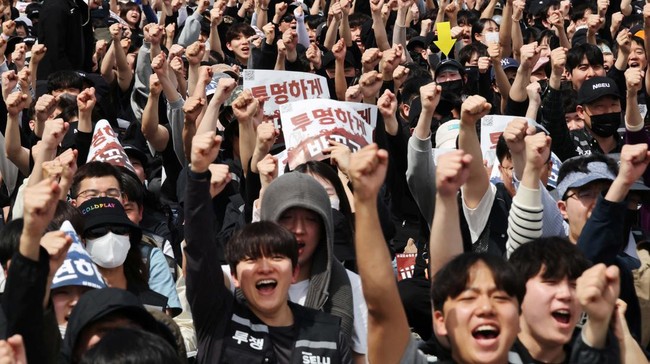
The planned 18-day national strike by the Samsung Electronics labour union in South Korea has drawn direct intervention from President Lee Jae-myont. In a post on X, Lee urged both the union and Samsung management to respect each other’s rights, stating that extreme actions would be counterproductive. This follows a series of warnings from South Korean officials, including the Prime Minister and Finance Minister, who are desperate to avoid a strike that could jeopardise national exports and economic growth.
The tension arises amidst a global memory chip shortage driven by the AI boom, which has sent demand for high-bandwidth memory (HBM) soaring. As the world’s largest memory chip manufacturer, Samsung’s stability is critical to the global supply chain. While Samsung’s market capitalisation has surged to US$1 trillion, the union representing 47,000 workers is demanding a more transparent bonus system, specifically requesting that 15% of operating profits be allocated to semiconductor division incentives.
In response, Samsung management has offered a 10% profit allocation for bonuses alongside a one-off compensation package. The stakes are incredibly high; Prime Minister Kim Min-seok warned that direct losses from the strike could reach 1 trillion won, while total economic damage could escalate to 100 trillion won if production disruptions lead to the loss of semiconductor wafers. Under South Korean law, the Labour Minister possesses the power to suspend strikes for up to 30 days if they are deemed a threat to the national economy.
Samsung Electronics is a cornerstone of the South Korean economy, accounting for 22.8% of the nation’s exports and 12.5% of its GDP. Analysts have expressed concern regarding the high concentration of risk in the South Korean stock market due to its heavy reliance on a few major corporations. Amidst the escalating dispute, Samsung Chairman Lee Jae-yong issued a rare public apology to global customers for the uncertainty caused by the ongoing labour tensions.