
Preserving the Heritage of Bespoke Tailoring Amidst the Rise of 'Fast Fashion'
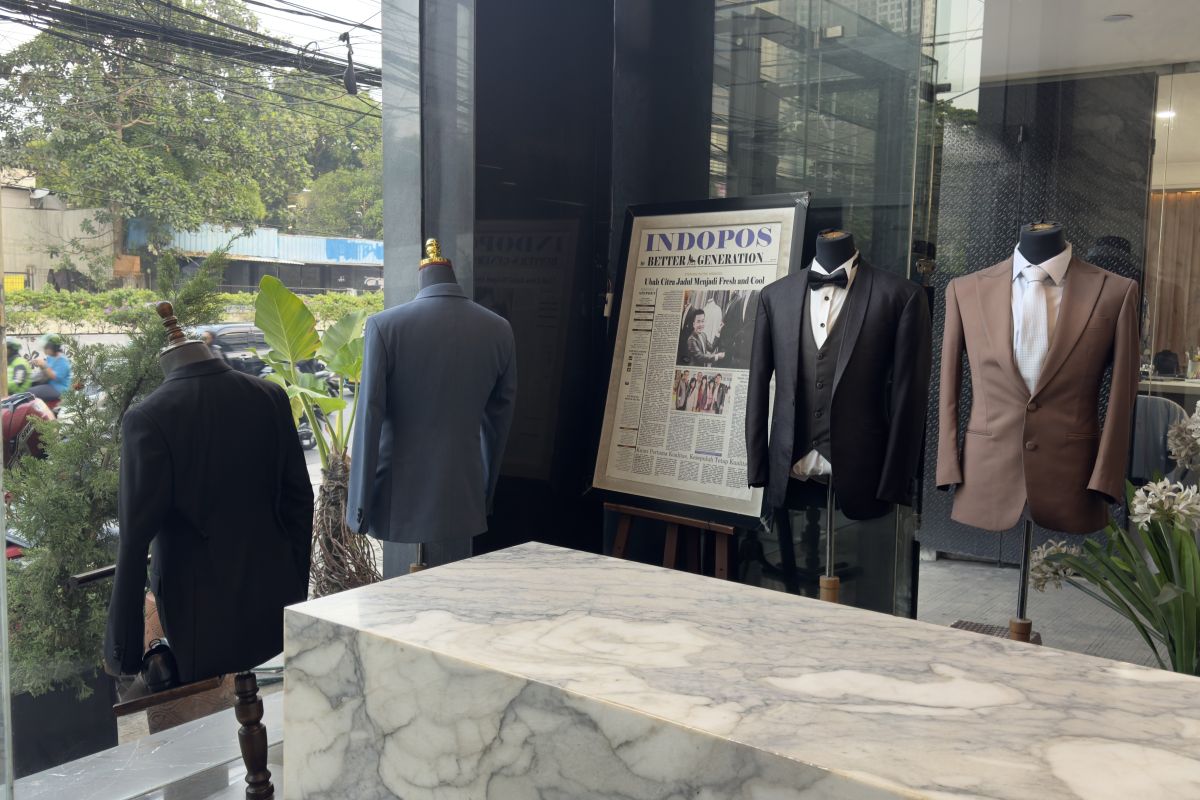
In the midst of the fashion industry’s increasing focus on mass-produced (‘fast fashion’) and ready-to-wear clothing, the presence of bespoke tailoring – or custom-made clothing, especially suits – with the highest level of customization, has not been completely abandoned.
While clothing is now produced on a massive scale, prioritizing speed and efficiency, bespoke tailoring retains a unique value that cannot be replaced by fleeting trends.
Bespoke tailoring offers a different experience. Each garment is made from scratch, tailored to the wearer’s body shape, activities, and personality. Therefore, tailoring is not just a process of sewing clothes, but an art of understanding people, translated into specific details. It is the personal touch, meticulousness, and heritage of craftsmanship that make bespoke tailoring unique in the modern fashion industry.
Not many tailoring houses have been able to consistently maintain these values across generations, especially in the face of changing trends and consumer behavior.
In Indonesia, one of the companies that continues to uphold these values is Wong Hang. Established for more than nine decades, Wong Hang is an example of how a traditional business can remain relevant in the face of changing times.
According to Samuel Wongso, the fourth-generation successor of the legendary Wong Hang business, the essence of tailoring lies in the ability to create a balance between aesthetics, comfort, and a person’s character.
For Samuel, good clothing is not just about the cut or material, but also about how the garment can adapt to the wearer’s body shape and personality. He believes that the tailor’s job is to understand how clothing can make a person look more proportionate, comfortable, and confident.
“There is an art to bespoke tailoring. What is the tailor’s job? To improve. So, if a person is overweight, they should look slimmer, and if they are thin, they should look fuller. That is the essence of a tailor, which has almost been lost and was once underestimated,” said Samuel, who joined Wong Hong in 2011.
This perspective did not emerge overnight, but was born from the long experience of tailoring passed down through generations in the Wong Hang family.
For decades, this tailoring house has maintained the philosophy that clothing is not just about appearance, but also a form of personal service that understands the character of each customer.
The journey of Wong Hang began when the founder’s family came from Guangzhou, China, to Indonesia in 1933. At that time, Surabaya was one of the trading centers filled with European, Japanese, and Chinese communities who were accustomed to wearing suits in their daily activities.
Seeing the needs of the community at that time, the Wong Hang family began building a tailoring business with a very personal approach. They did not just make clothes, but also paid attention to body proportions, comfort, and the function of the clothes for each customer.
Source: jawawa.id (https://jawawa.id/newsitem/preserving-the-heritage-of-bespoke-tailoring-amidst-the-rise-of-fast-fashion-1780573596)
Originally published by Antara (Indonesian) (https://www.antaranews.com/berita/5568868/menjaga-warisan-bespoke-tailoring-di-tengah-arus-fast-fashion-), translated from Indonesian