
Preserving Self-Sufficiency and Maintaining Government Rice Reserves
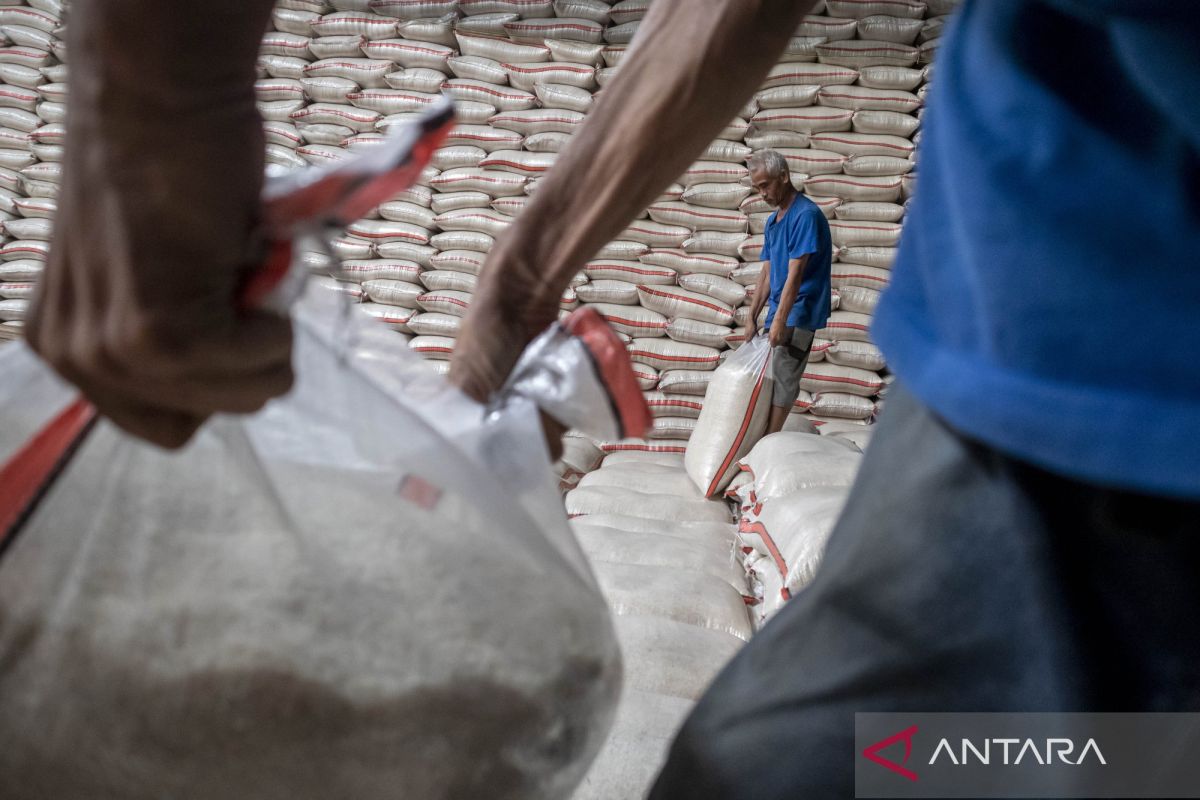
Food security is not a PR exercise, but a matter of people’s survival and national stability. Jakarta (ANTARA) – Behind the greening rice fields and increasingly full rice warehouses, Indonesia is entering a crucial phase in its national food journey. After years overshadowed by import threats, production fluctuations, and climate uncertainty, a new optimism has emerged that the nation is regaining a firmer footing towards sustainable rice self-sufficiency. Yet history teaches that self-sufficiency is not merely an annual statistical achievement, but a prolonged process of balancing production, land protection, farmer welfare, and national resilience amid changing times. National rice production data shows a promising trend. By October 2025, production is projected to reach 31.04 million tonnes, surpassing the 2024 annual total of 30.62 million tonnes. This represents a more than 12% increase compared to the same period last year. Such growth did not occur by chance. This stems from land optimisation, utilisation of suboptimal areas such as swamps and drylands, irrigation improvements, and relatively favourable weather conditions. Harvests across major production hubs in Java, Sumatra, and Sulawesi have further bolstered the national rice surplus. The National Food Agency even projects 2025 production to reach 33.52 million tonnes, nearing the highest eight-year record. This production surge has directly strengthened government rice reserves, which have exceeded five million tonnes by April 2026. For the first time in nearly two decades, Indonesia has amassed substantial government rice reserves without relying on imports. The government has declared functional rice self-sufficiency, meaning domestic production meets national needs without additional imports in 2025. However, self-sufficiency must be clearly understood: it does not mean zero imports, but the nation’s ability to meet citizens’ needs through domestic production and sufficient national reserves. Food security challenges