
Preservation body: Hudoq tradition is a living heritage that safeguards nature
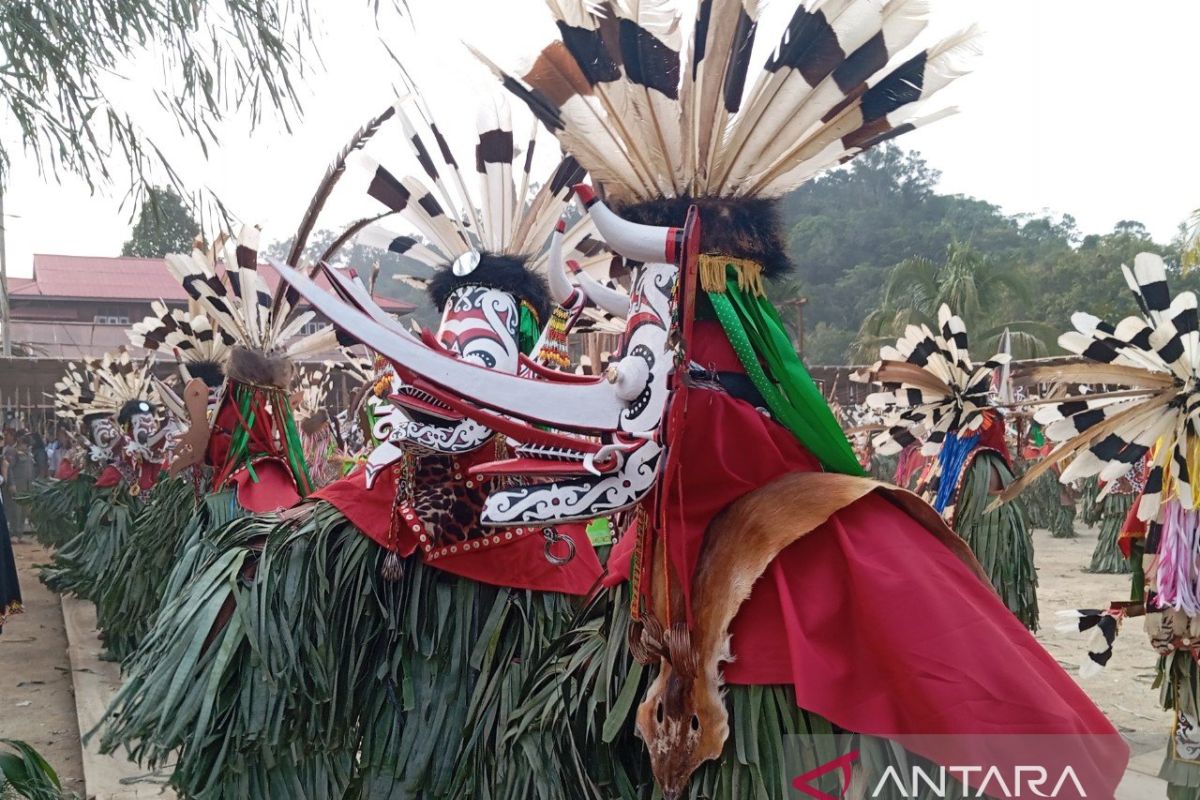
Mahulu, East Kalimantan (ANTARA) – Titit Lestari, head of the Cultural Preservation Office for Region XIV in East Kalimantan, said the Hudoq tradition among residents of Mahakam Ulu is more than a dance: it is part of a way of life that continues to be preserved, serving not only as cultural heritage but also as a guardian of nature.
“Hudoq was officially designated an Indonesian intangible cultural heritage by the Ministry of Education and Culture in 2013,” Lestari said in Mahakam Ulu on Wednesday.
Lestari made the remarks after attending the Hudoq Pekayang Festival in Long Pahangai II village, Long Pahangai district, Mahakam Ulu, which ran for three days, from Tuesday to Thursday (20–22 October).
She explained that the deeper meaning of Hudoq is closely linked to the community’s food security. The tradition is held during the rice-planting season as a prayer for a plentiful harvest.
“This is the main reason why preserving this tradition is so important. It is part of the community’s life cycle and helps ensure food availability,” she said.
The East Kalimantan Cultural Preservation Office fully supports the event. Lestari said she hoped preservation would extend beyond staging the festival and involve the continued transmission of knowledge from older generations to younger ones.
“We hope this tradition will not appear only during the festival, but will continue to be passed down. Hopefully, this annual event will ensure that Hudoq remains alive among the people of Long Pahangai in particular, and Mahakam Ulu more broadly,” she said.
Lestari added that every element of the Hudoq tradition helps preserve local knowledge, including the use of natural resources found in the surrounding area.
This can be seen in traditional dishes made with forest plants, such as the use of certain leaves to wrap food during ritual proceedings.
The ethnobotanical knowledge embodied in the tradition shows that preserving Hudoq goes hand in hand with protecting nature and preventing environmental damage.
“Hudoq is proof of how the community protects not only its traditions, but also its harmony with the surrounding natural world. I hope this will help us continue to protect both Mahakam Ulu’s cultural heritage and its environment,” Lestari said.
Source: jawawa.id (https://jawawa.id/newsitem/preservation-body-hudoq-tradition-is-a-living-heritage-that-safeguards-nature-1792561943)
Originally published by Antara (Indonesian) (https://www.antaranews.com/berita/5801269/balai-pelestarian-tradisi-hudoq-jadi-warisan-hidup-penjaga-alam), translated from Indonesian