
Preparing Palm Oil Industry Workforce, Gapki Conducts Education in Schools
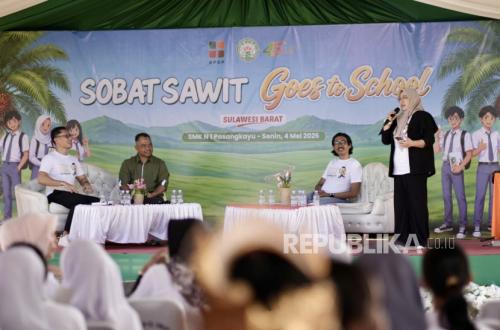
Young people are being introduced to the strategic role of the palm oil sector as a driver of regional economies and a source of future job opportunities. Education from the school bench is considered important so that students understand the palm oil industry holistically, including its economic, social, and sustainability aspects.
The Indonesian Palm Oil Entrepreneurs Association (Gapki) held the Soswit Goes To School Sulawesi programme at SMK Negeri 1 Pasangkayu, West Sulawesi, on Monday (4/5), attended by more than 280 students and teachers from high schools and vocational schools in Pasangkayu Regency. The event, themed “Palm Oil Is Close: Providing Jobs, Driving the Economy, Building Regions,” featured discussions on the palm oil industry’s contributions to regional development and career opportunities for the younger generation.
Pasangkayu Regent Yaumil Ambo Djiwa stated that students’ understanding of the palm oil sector is important because this commodity makes a significant contribution to community economic activities. “Through this event, I hope the students can gain a correct and comprehensive understanding of palm oil, from cultivation processes and economic benefits to sustainable and environmentally friendly management,” said Yaumil in a press release on Monday (4/5).
This educational programme was organised by Gapki together with member company PT Pasangkayu and supported by the Palm Oil Plantation Fund Management Agency (BPDP). The activities were packaged through student work exhibitions, poster competitions themed on palm oil, and interactive talkshows with academics and industry practitioners discussing the role of palm oil in the national economy, agribusiness innovations, and sustainable management practices.
Academic from the Faculty of Economics at Tadulako University, Failur Rahman, said the palm oil sector contributes around 90 percent of West Sulawesi Province’s exports, thus holding an important position in the local economic structure. “The younger generation should be critical in reading news and information so as not to be misled by incorrect reports. Information validation is necessary,” said Failur.
This event also aligns with various flagship BPDP programmes, such as the People’s Palm Oil Rejuvenation (PSR), human resource development through education and scholarships, research, as well as promotion and partnerships. All these programmes are directed towards increasing productivity, sustainability, competitiveness, and the economic benefits of palm oil for the wider community.
Chair of the Gapki Sulawesi Branch, Dony Yoga Perdana, stated that palm oil literacy for students is an important step in preparing a younger generation that understands the linkages between the plantation sector, job creation, and regional development.
Direct dialogue with students is expected to foster a more comprehensive understanding of the future of Indonesia’s palm oil industry.
Through an educational approach in the school environment, students are expected not only to know palm oil as an economic commodity but also to understand innovation opportunities and sustainability practices that will shape the development of this sector in the future.