
Prehistoric Cave Paintings in South Sulawesi at Risk from Forest and Land Fires
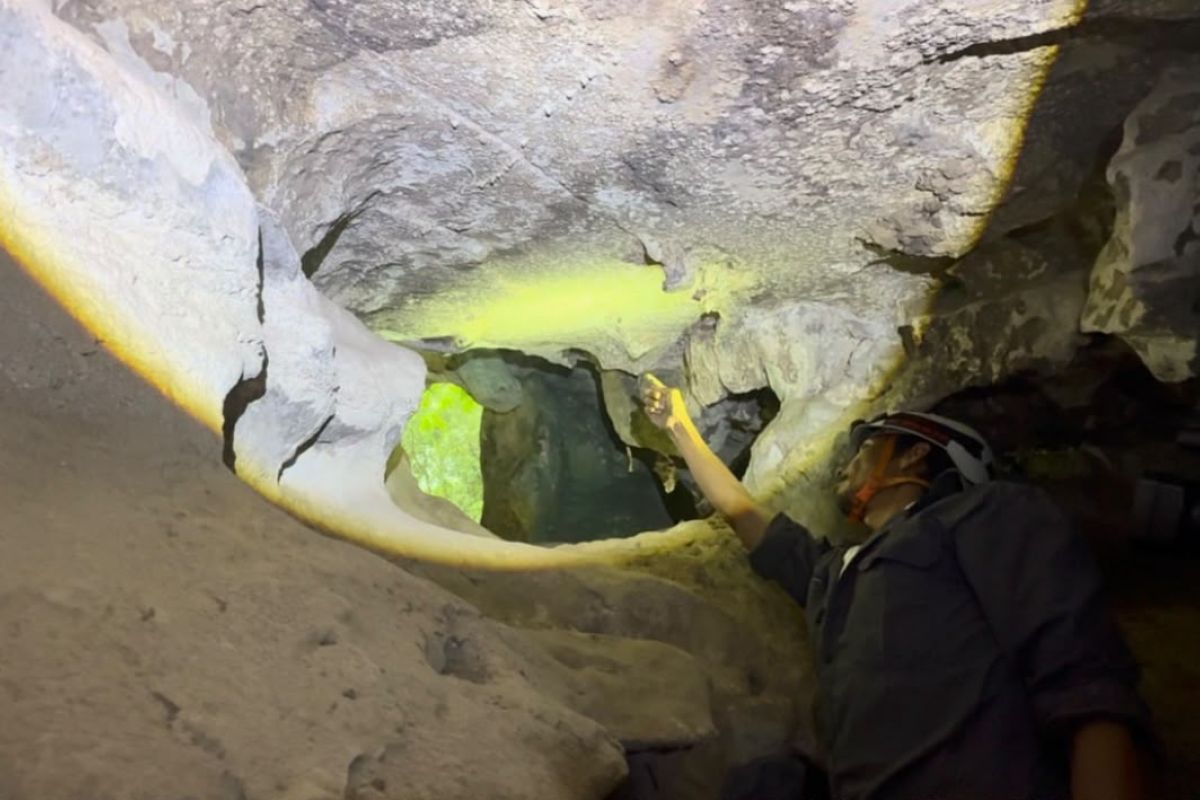
Makassar (ANTARA) - Some of the oldest prehistoric paintings in caves are at risk of damage and loss as forest and land fires continue to spread across the karst area of Bantimurung-Bulusaraung National Park in South Sulawesi.
“Fires in archaeological sites, particularly those containing rock art, threaten to cause damage if they are not put out,” said Basran Burhan, an archaeologist from Australia’s Griffith University, responding on Friday to fires in Pangkep regency, South Sulawesi.
Having researched prehistoric sites in the area for years, Burhan warned that the fires could cause destructive and permanent damage to the rock art that could not be reversed.
He said there were two ways the fires could damage the images of animals painted by prehistoric people tens of thousands of years ago. The first was extreme heat, which could cause harm even without direct contact between the flames and the paintings.
“Even if the flames do not directly touch the paintings, they can damage them by changing the temperature around the images and accelerating weathering. The damage would be worse if the flames reached the paintings,” Burhan said.
Sudden temperature changes can cause thermal expansion in limestone. Rock that has remained stable for thousands of years can suddenly come under pressure, creating microcracks. These cracks may spread to the pigment layer, causing extensive flaking.
The second threat is soot and smoke. Forest fires produce thick smoke rich in carbon particles. The smoke, he said, can leave soot on cave walls, covering the paintings like a black blanket and obscuring their details.
“It can make them blurry and difficult to identify. The paintings will also be covered in soot, making it difficult to see their shapes or the original colours of the pigments,” he explained.
Of particular concern is that strict conservation efforts could be rendered futile by a large-scale fire. The South Sulawesi Cultural Heritage Preservation Office has imposed a limit of five visitors at a time in each cave.
The rules are intended not only to prevent physical damage but also to control local temperature and humidity around the sites. Even the warmth of visitors’ bodies is considered capable of affecting the paintings over time.
“If the warmth of the human body is considered to affect the paintings, then the impact of a fire is all the more serious. This is not only about forest and land fires, but also changes to the cave’s microclimate,” Burhan said.
The Maros-Pangkep area is not simply forest, but an open-air art gallery of global significance. On the walls of its limestone caves, prehistoric people painted babirusa and hand stencils more than 45,000 years ago—predating famous European paintings such as those at Lascaux, France.
The fire in the national park is damaging not only vegetation across the karst area, but also the habitat of protected endemic wildlife and local biodiversity.
Bantimurung-Bulusaraung National Park head Abdul Rajab said the burned area reached 34.74 hectares on Monday (12 October), rising to 93.43 hectares by Thursday (15 October). The fire was first reported in Kassi village, Balocci district, Pangkep, at 9pm local time on Sunday (11 October).
Source: jawawa.id (https://jawawa.id/newsitem/prehistoric-cave-paintings-in-south-sulawesi-at-risk-from-forest-and-land-fires-1792133637)
Originally published by Antara (Indonesian) (https://www.antaranews.com/berita/5790825/lukisan-manusia-purba-terancam-rusak-dampak-karhutla-di-sulsel), translated from Indonesian