
Pregnant Women and Children Are Vulnerable to Illness During the Seasonal Transition: What to Watch For
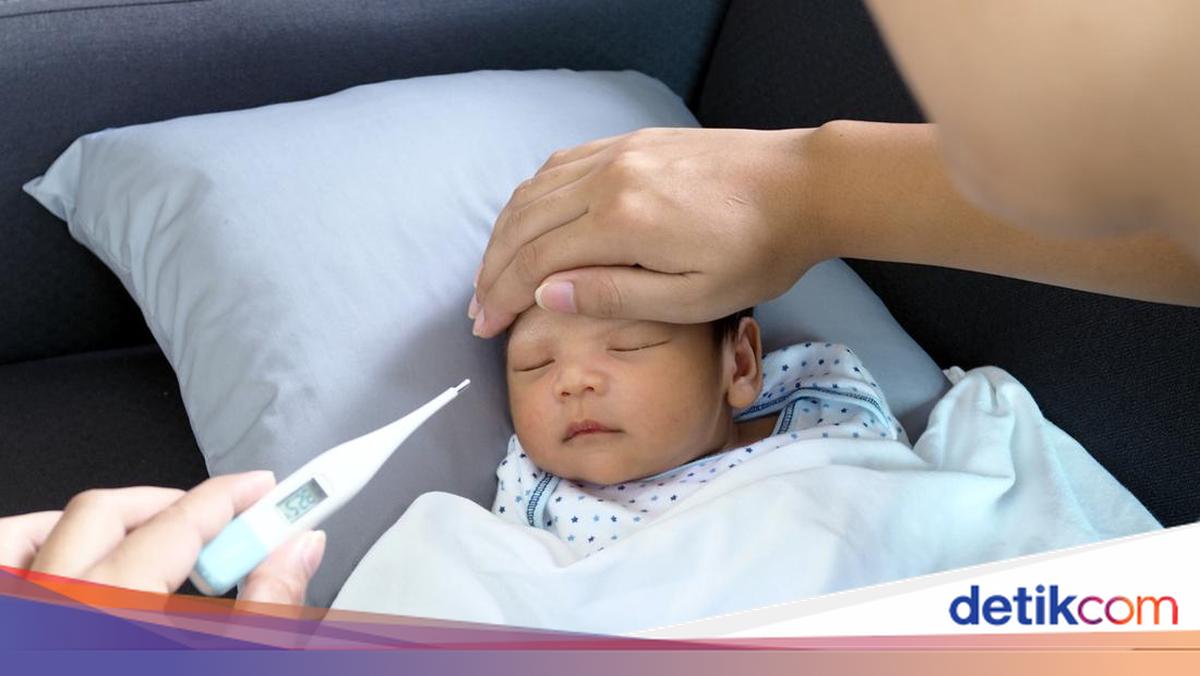
Pregnant women and children are among those who need to be alert to the risk of illness during the seasonal transition. Rapid changes in temperature and humidity can increase the risk of infections, including acute respiratory infections (ARI), flu, diarrhoea and dengue haemorrhagic fever (DHF).
Desak Mahayu, a midwife at the Denpasar Barat III Community Health Centre (Puskesmas), said changing environmental conditions during the seasonal transition can affect the body’s resistance to illness. This allows viruses and bacteria to spread more easily, increasing the risk of infection.
“During the transition from the rainy to the dry season, as we are experiencing now, the body’s resistance tends to fall because of rapid changes in temperature and humidity. Viruses and bacteria can spread more easily, so the risk of infection increases,” Mahayu said after speaking at the Healthy Pregnant Women Week event at Puskesmas III Denpasar Barat on Tuesday (3 November 2026).
According to Mahayu, those more vulnerable to health problems during this period include pregnant women, babies, toddlers, older people and people with chronic illnesses.
Pregnant women are more vulnerable because their immune systems naturally weaken slightly. Children, meanwhile, are more susceptible to illness because their immune systems are still developing.
Common illnesses during the seasonal transition include ARI, coughs and colds, flu, diarrhoea and DHF. Fungal skin infections should also be watched for. Children often experience fever and vomiting and diarrhoea.
To reduce these risks, Mahayu urged the public to maintain clean and healthy habits. These include washing hands with soap, drinking enough water, eating nutritious food and getting sufficient rest.
Environmental cleanliness is also important, particularly efforts to eliminate mosquito breeding sites through the 3M Plus campaign. People with coughs or colds are advised to wear masks to reduce the risk of transmission.
Mahayu urged pregnant women to continue attending routine antenatal care (ANC) appointments. They should also take iron tablets, maintain a nutritious diet and get enough rest.
“If you have a fever for more than two days, go to a community health centre immediately and do not take medication indiscriminately,” she advised.
To protect children’s health, parents are encouraged to provide babies with exclusive breastfeeding, ensure immunisations are up to date and give children nutritious food. They should also pay attention to what children wear at night and maintain the cleanliness of their food, including by discouraging them from buying snacks indiscriminately.