
Prayer to Recite after Dhuha Prayer: Arabic, Transliteration and Meaning
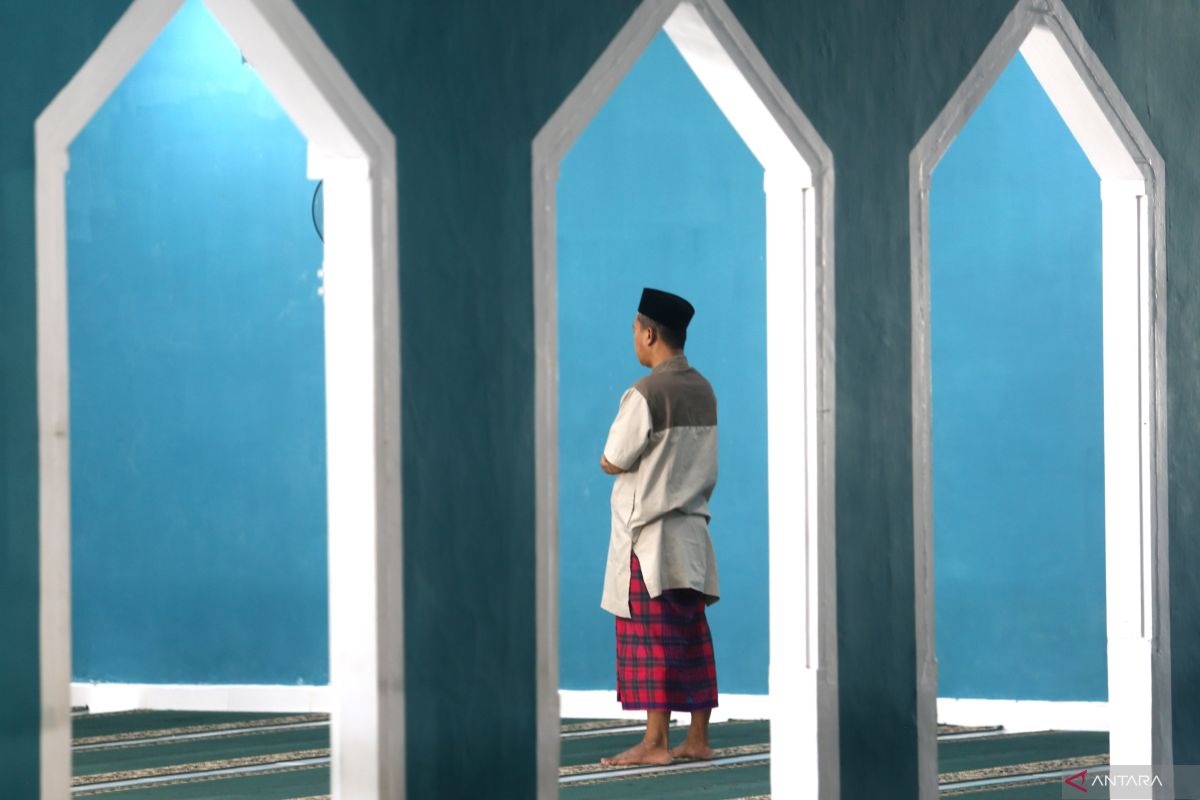
Jakarta (ANTARA) — Dhuha prayer is a voluntary act of worship that Muslims can perform in the morning. In addition to praying, Muslims may supplicate for forgiveness, blessings, ease in their affairs and good provision.
One popular prayer recited after Dhuha asks Allah to grant provision, make difficult matters easier and bring closer what is far away.
However, an important point should be noted: the popular prayer beginning “Allahumma innad-duha duha’uka” is not known to come from an authentic hadith specifically prescribing this wording after Dhuha prayer.
The prayer is found in Islamic jurisprudential literature, including the book I’anatut Thalibin. It can therefore be presented as a commonly practised supplication, rather than as wording definitively taught by the Prophet Muhammad.
Here is the prayer commonly recited after Dhuha, in Arabic, transliteration and translation.
اللَّهُمَّ إِنَّ الضُّحَى ضُحَاؤُكَ، وَالْبَهَاءَ بَهَاؤُكَ، وَالْجَمَالَ جَمَالُكَ، وَالْقُوَّةَ قُوَّتُكَ، وَالْقُدْرَةَ قُدْرَتُكَ، وَالْعِصْمَةَ عِصْمَتُكَ.
اللَّهُمَّ إِنْ كَانَ رِزْقِي فِي السَّمَاءِ فَأَنْزِلْهُ، وَإِنْ كَانَ فِي الْأَرْضِ فَأَخْرِجْهُ، وَإِنْ كَانَ مُعْسِرًا فَيَسِّرْهُ، وَإِنْ كَانَ حَرَامًا فَطَهِّرْهُ، وَإِنْ كَانَ بَعِيدًا فَقَرِّبْهُ، بِحَقِّ ضُحَائِكَ وَبَهَائِكَ وَجَمَالِكَ وَقُوَّتِكَ وَقُدْرَتِكَ، آتِنِي مَا آتَيْتَ عِبَادَكَ الصَّالِحِينَ.
Allahumma innad-duha duha’uka, wal-baha’a baha’uka, wal-jamala jamaluka, wal-quwwata quwwatuka, wal-qudrata qudratuka, wal-’ishmata ’ishmatuka.
Allahumma in kana rizqi fis-sama’i fa anzilhu, wa in kana fil-ardhi fa akhrijhu, wa in kana mu’siran fa yassirhu, wa in kana haraman fa tahhirhu, wa in kana ba’idan fa qarribhu, bihaqqi duha’ika wa baha’ika wa jamalika wa quwwatika wa qudratika, atini ma ataita ’ibadakash-shalihin.
Meaning: “O my Lord, indeed the morning brightness is Your brightness, majesty is Your majesty, beauty is Your beauty, strength is Your strength, power is Your power, and protection is Your protection.
“O Allah, if my provision is in the heavens, send it down; if it is on earth, bring it forth; if it is difficult to obtain, make it easy; if it is unlawful, purify it; and if it is far away, bring it near. By the right of Your morning brightness, majesty, beauty, strength and power, grant me what You have granted Your righteous servants.”
The prayer asks Allah for good provision, ease in facing difficulties and blessings in life. It is widely known in Islamic tradition and appears in Hasyiyah I’anatut Thalibin.
Alongside the popular prayer above, there is a supplication for forgiveness and acceptance of repentance narrated from Aisha.
اللَّهُمَّ اغْفِرْ لِي، وَتُبْ عَلَيَّ، إِنَّكَ أَنْتَ التَّوَّابُ الرَّحِيمُ
Allahummaghfir li, wa tub ’alayya, innaka antat-tawwabur-rahim.
Meaning: “O Allah, forgive me and accept my repentance. Indeed, You are the Accepter of repentance, the Most Merciful.”
A narration in Al-Adab Al-Mufrad, number 619, states that the Prophet Muhammad recited this prayer after completing Dhuha prayer and repeated it up to 100 times. Sheikh Al-Albani judged the narration authentic.
This prayer may be an alternative for Muslims who wish to seek Allah’s forgiveness after Dhuha prayer.
The timing and virtues of Dhuha prayer
Dhuha is a voluntary prayer performed once the sun has risen sufficiently high and before the noon prayer. It may be performed as two rak’ahs at a minimum, with more added according to one’s ability.
One of its virtues is described in a hadith narrated by Muslim, number 720. The Prophet Muhammad explained that two rak’ahs of Dhuha prayer can suffice as charity for the joints of the human body.
This shows that Dhuha prayer is not solely an act of worship for seeking provision, but also a way of expressing gratitude for the blessings and abilities Allah has given people.
After completing Dhuha prayer, Muslims may engage in remembrance of Allah and offer supplications according to their needs. There is no obligation to recite any particular wording afterwards. The popular prayer concerning Dhuha and provision may be offered as a general supplication, without believing that its wording is an authentic hadith specifically taught by the Prophet Muhammad.
Source: jawawa.id (https://jawawa.id/newsitem/prayer-to-recite-after-dhuha-prayer-arabic-transliteration-and-meaning-1792889479)
Originally published by Antara (Indonesian) (https://www.antaranews.com/berita/5810091/doa-setelah-shalat-dhuha-lengkap-arab-latin-dan-artinya), translated from Indonesian