
Prasasti Economist Forecasts Indonesia’s Q3 Growth at More Than 5%
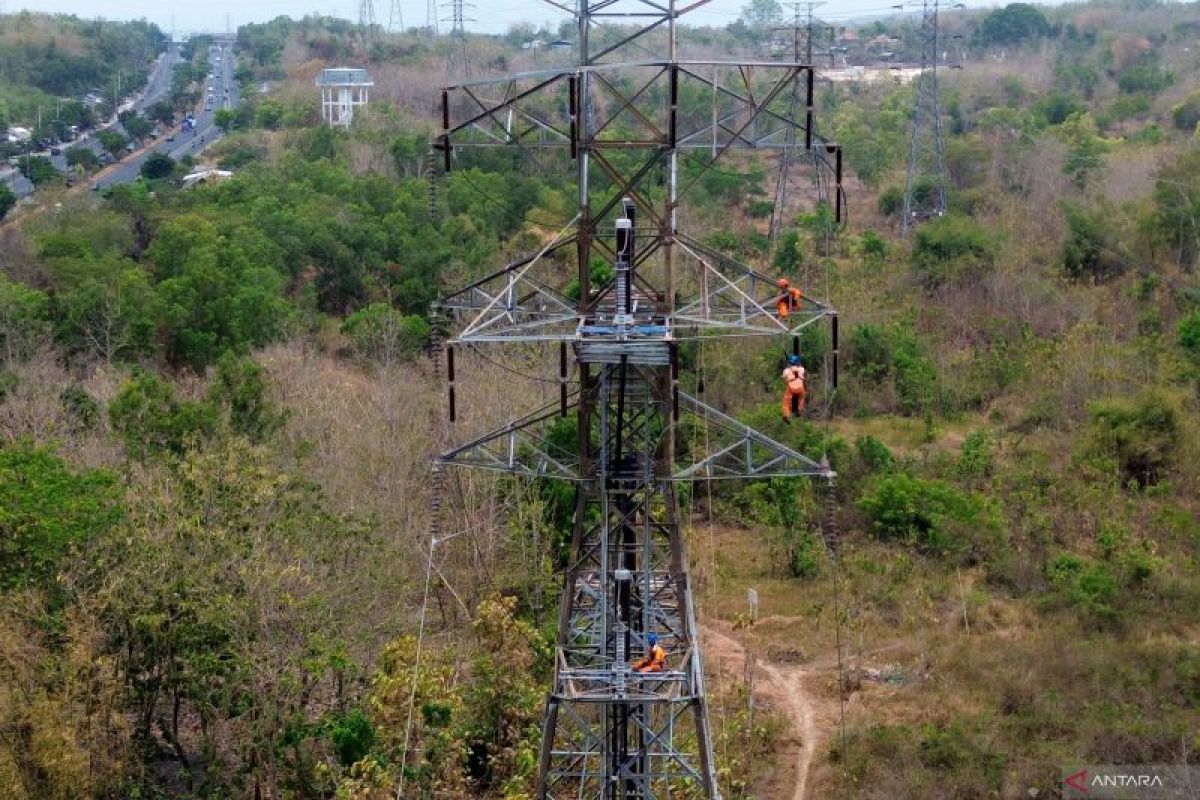
Public consumption remains one of the main pillars of the national economy, alongside exports, investment and government spending.
JAKARTA (ANTARA) — Piter Abdullah, Policy and Programme Director at the Prasasti Center for Policy Studies, forecasts that Indonesia’s economy continued to grow by more than 5% in the third quarter of 2026.
Household consumption, exports, investment and government spending are still seen as supporting national economic activity. Statistics Indonesia (BPS) is due to announce the country’s growth figures on Thursday (5 November).
“My estimate is that it will still be above 5%,” Piter said in a statement in Jakarta on Sunday.
He added that household consumption remains one of the main pillars of the national economy, alongside exports, investment and government spending. Household consumption accounts for more than half of Indonesia’s economy, making it an important factor in sustaining growth.
Piter also highlighted differences in how economic conditions are experienced by the public. Aggregate economic growth does not necessarily reflect the same economic reality for every group, as activity is driven by people with different income levels and spending capacities.
He said upper-middle-income groups still had the means to maintain their consumption, while some lower-income households faced pressure on their spending. Consumption was continuing, but households’ circumstances and capacity to spend varied.
“Perhaps our economy is now driven more by upper-middle-income groups that are still spending. Consumption may have fallen among lower-income groups, but they are still consuming — whether through assistance or social aid, or by drawing on their savings,” Piter said.
He said household consumption should be assessed more comprehensively. The fact that people are still spending does not mean all groups have equal purchasing power.
Some people can maintain their consumption patterns, while others have to adjust their spending and even use savings or borrow to meet their needs.
“The difference, which we have to acknowledge, is that some people are consuming a lot, some are consuming less, some are still splashing out, and some are living off their savings or debt — but they are all still consuming,” Piter said.
In this context, Piter said economic conditions should be communicated using clear data so that the public can gain a full picture of national developments. Growth indicators, he said, should be considered alongside consumption and economic activity among the public.
He added that differing forecasts among economists largely concerned the level of growth, rather than whether Indonesia’s economy was still expanding. Economists generally agree that growth remains positive, he said, with estimates differing over whether it will be above or below 5%.
Source: jawawa.id (https://jawawa.id/newsitem/prasasti-economist-forecasts-indonesias-q3-growth-at-more-than-5-1793544663)
Originally published by Antara (Indonesian) (https://www.antaranews.com/berita/5825227/ekonom-prasasti-proyeksi-ekonomi-ri-di-tw-iii-tumbuh-di-atas-5-persen), translated from Indonesian