
Pram's Ambitious Target: Jakarta to Enter Top 50 Global Cities by 2030
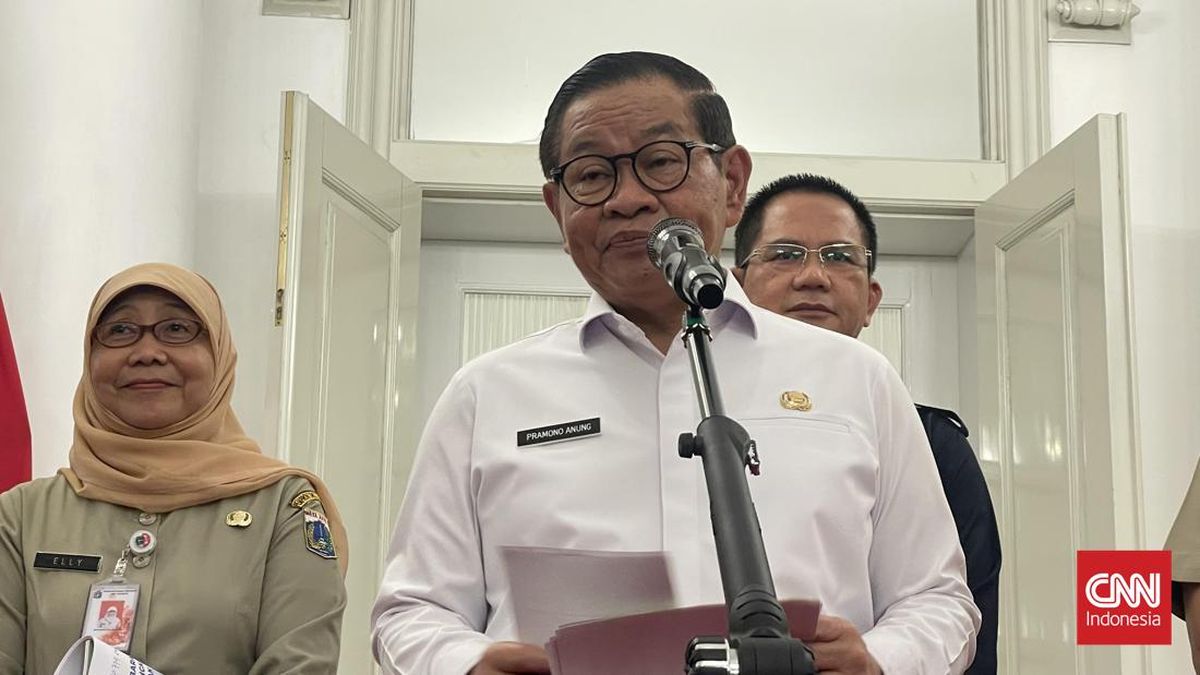
Jakarta Governor Pramono Anung has set a target for Jakarta to enter the top 50 of the world’s global cities by 2029 or 2030. He announced this ambition during the 2026 Jakarta Posyandu Cadre Jamboree for Health in Cempaka Putih, Central Jakarta, on Friday (11/9).
“I hope that by 2029 or 2030, Jakarta can be among the top 50 global cities in the world,” said Pramono. He noted that Jakarta currently holds the 71st position out of 156 global cities.
To achieve global city status, Pramono highlighted the importance of Jakarta’s Human Development Index (HDI). “The primary prerequisite for becoming a global city with an improving index is the Human Development Index. Jakarta is currently number one among all provinces in Indonesia, with a score of 85.05, far ahead of the others,” he stated.
HDI is measured based on health, education, and expenditure indices. The health index is assessed through life expectancy at birth, while the education index consists of indicators for expected years of schooling and mean years of schooling. Finally, the expenditure index is measured through adjusted per capita expenditure.
However, beyond the HDI, reducing the Gini ratio, or inequality, is also a key focus in Jakarta’s efforts to become a global city. “What we are doing in education, health, and social sectors—where we have not cut the budget, but rather increased it—is what has caused the Gini ratio to decrease from 0.441 to 0.435, even though it remains high.”
Observing these figures, Pramono stated that Jakarta is already on the right track. He expressed hope that these positive metrics would continue to improve. “Once again, I always encourage that Jakarta’s benchmark must be world cities to trigger and encourage Jakarta’s residents to live healthier, more organised, more comfortable, and tidier lives, and most importantly, to make the community happy.”
Previously, Pramono set an equally bold target. While inspecting the construction of the Integrated Utility Network (SJUT) in the Tebet area, South Jakarta, Pram revealed his intention to make Jakarta free from messy overhead cables within the next five years. “I am frankly planning that within five years, all cables currently on the surface can be moved underground. If that is achieved, the face of Jakarta will certainly be very different. Whether five years is sufficient or not remains to be seen, as approximately 6,500 km of cabling needs to be addressed,” Pramono said on Thursday (10/9).