
Pramono to Hold Meeting on Implementing WFH for Civil Servants
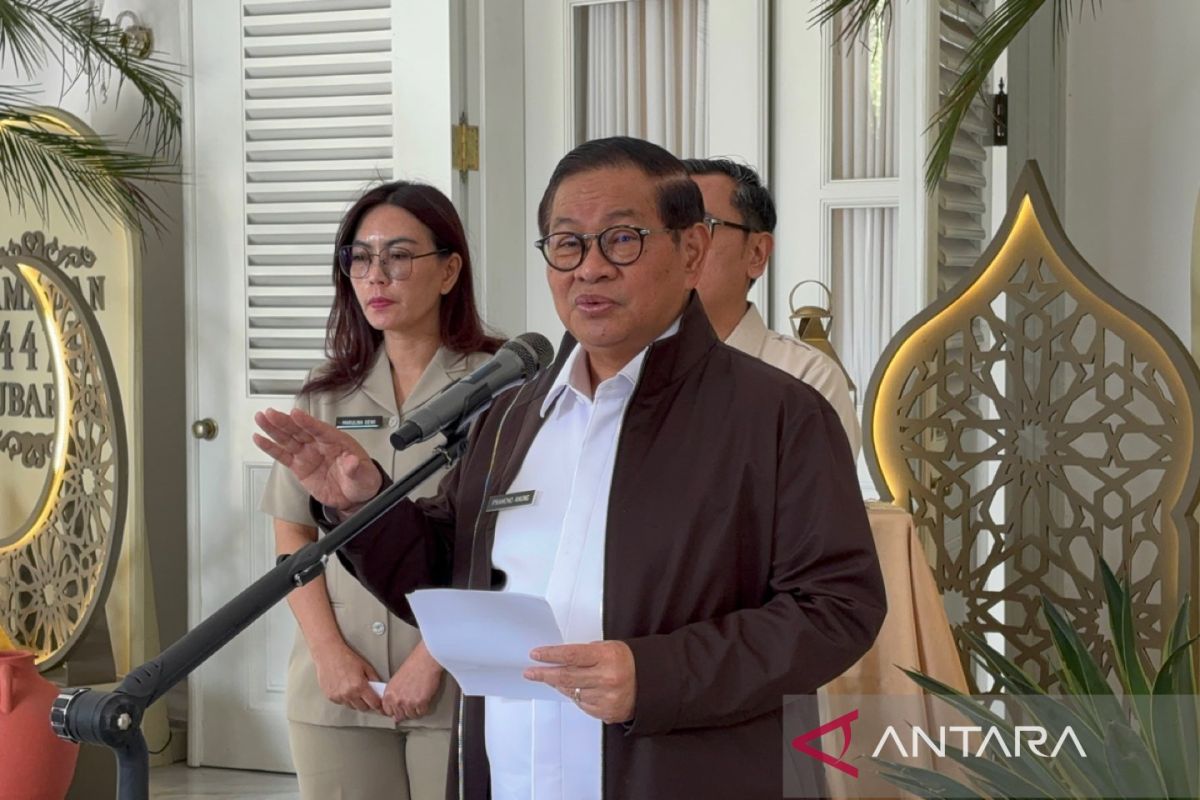
Jakarta (ANTARA) - Jakarta Governor Pramono Anung Wibowo will soon hold a meeting with his subordinates to discuss the follow-up on the work-from-home (WFH) policy for Civil Servants (ASN) every Friday. He stated that the meeting will ensure public services are not disrupted despite the WFH regulation being implemented. “Coincidentally, today we have a plenary meeting. We will detail who can work from home on Fridays, because public services must not be disrupted and cannot involve WFH,” Pramono said in Central Jakarta on Wednesday. He gave examples, such as public services in health, social assistance, and education sectors that must remain on the ground. To that end, Pramono will arrange it so that ASN in those sectors continue working as usual. “In particular, our 44 puskesmas. Then, 292 auxiliary puskesmas and 31 hospitals, remain as usual, no WFH, because it cannot be delegated. But for the department itself, it’s allowed, as that’s administrative matters,” Pramono explained. After the plenary meeting, Pramono will provide detailed information on the policy’s implementation. Coordinating Minister for the Economy Airlangga Hartarto stated that the policy takes effect from 1 April 2026 and will be evaluated after two months of implementation. Besides ASN, the government is also urging WFH for the private sector. The regulation will be outlined in a Circular Letter (SE) from the Minister of Manpower, while still considering the characteristics and needs of each business sector. Nevertheless, Airlangga specified several sectors exempted from the WFH policy, namely public services such as health, security, and cleanliness, as well as strategic sectors like industry, energy, water, basic goods, food and beverages, trade, transportation, logistics, and finance. In the education sector, teaching and learning activities for primary to secondary levels will continue face-to-face five days a week without restrictions. Meanwhile, for higher education, particularly from the fourth semester upwards, implementation will follow the relevant ministry’s policies.