
Pramono Reveals Jakarta's Waste Segregation Movement Reaches 23.14%
Jakarta Governor Pramono Anung has revealed that the waste sorting movement in Jakarta has now reached 23.14%. The movement has been implemented down to the RT/RW (neighbourhood and community unit) level.
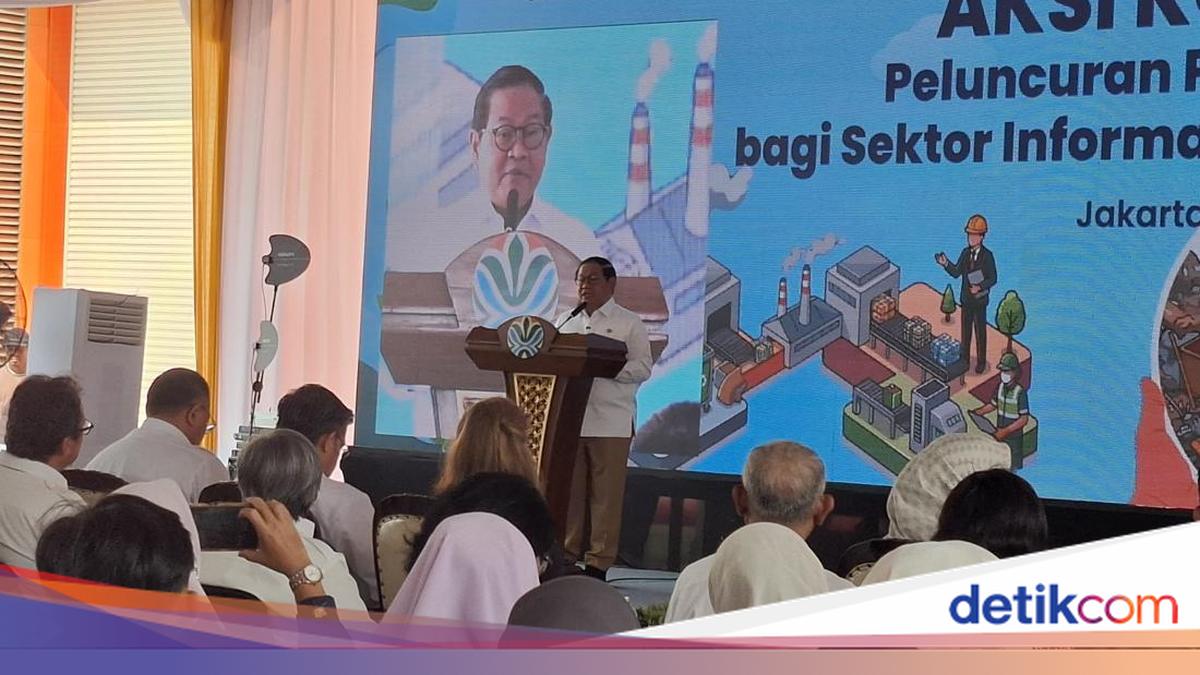
Pramono made the statement while attending the launch of social protection for Indonesia’s informal waste sector at the RDF Rorotan facility in North Jakarta on Monday (10/8/2026). He said the Jakarta Provincial Government continues to encourage changes in waste handling patterns.
“The waste sorting movement in Jakarta, which initially people may have been pessimistic about, has now become a movement that reaches down to the RT/RW level,” said Pramono.
He said he regularly requests progress reports on waste handling, including the waste sorting movement in Jakarta.
“And because this has become a movement, I am sure that everywhere it is now resonating. As of early August, waste sorting in Jakarta has reached 23.14%,” he continued.
Pramono explained that changes in waste management patterns are also being implemented at the Bantargebang Integrated Waste Treatment Facility (TPST). Starting from 1 August 2026, Bantargebang will gradually only accept residual waste.
“Starting from 1 August, Bantargebang will only accept residual waste in stages,” said Pramono.
He said the policy is part of the change in Jakarta’s waste management pattern from the previous ‘collect and dump’ approach to ‘sort, collect and process’.
“Previously it was collect and dump, buried at Bantargebang; now it has become sort, collect and process,” he said.
Pramono is targeting 100% waste management in Jakarta by 2028. In this way, waste disposal to Bantargebang can be reduced and directed towards a zero-dumping concept.
Currently, the increase in the waste sorting movement is also accompanied by the addition of waste management facilities. There are now 2,247 waste bank units across various areas of Jakarta.
“Waste banks have also increased to 2,247 units in various areas across Jakarta,” he explained.
In addition, the Jakarta Provincial Government has 31 TPS 3R (reduce, reuse, recycle waste processing sites) that now also produce alternative fuel in the form of Refuse Derived Fuel (RDF). According to Pramono, RDF production from these TPS 3R facilities ranges from 100 to 150 tonnes per day.
“For example, at the TPS 3R in Menteng Atas. When we visited there recently, its production was approximately 100 to 150 tonnes per day,” he said.