
Pramono Officially Signs Circular on WFH for DKI ASN Every Friday: Here Are the Complete Rules
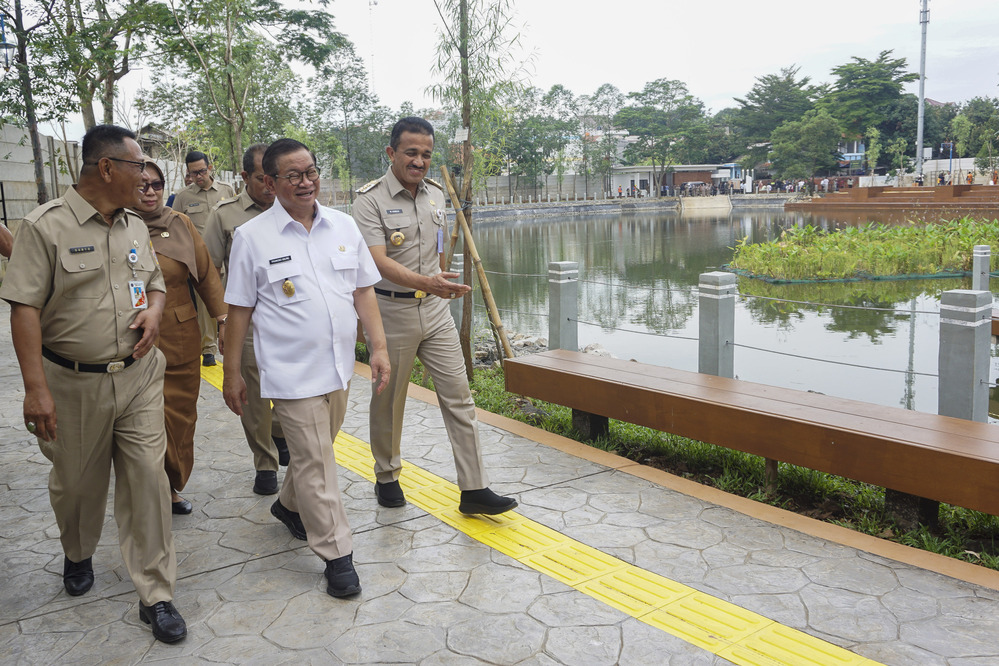
Governor of DKI Jakarta, Pramono Anung Wibowo, has signed Circular (SE) Number 3/SE/2026 regulating the work-from-home (WFH) policy for civil servants (ASN) every Friday.
The policy stipulates that the number of ASN permitted to undertake WFH is determined flexibly. The proportion ranges from a minimum of 25 per cent to a maximum of 50 per cent of the total employees in the smallest work unit, such as a subfield, subsection, section, or work group. This determination is made selectively, taking into account the characteristics of tasks and the type of work in each unit.
“For Work From Home or Work From Everywhere, actually, as Governor, I have already signed the SE. So for each regional device organisation (OPD), the range is between 25 and 50 per cent who will do Work From Home,” Pramono explained at Jakarta City Hall on Tuesday (7/4).
Furthermore, the circular also outlines the criteria for employees eligible to undertake WFH. The relevant ASN must not be undergoing or in the process of disciplinary sanctions and must have a minimum of two years’ service.
To ensure discipline, ASN working from home are still required to conduct online attendance via a mobile application. Attendance reporting is done twice a day, at 06.00–08.00 WIB and 16.00–18.00 WIB.
The DKI Jakarta Provincial Government also emphasises that it will continue to monitor the implementation of WFH. A supervision system is being developed to ensure that ASN performance and productivity remain optimal despite flexible working.
If violations of the established rules are found, the relevant ASN may be subject to sanctions. These may include revocation of WFH rights up to disciplinary sanctions in accordance with applicable laws and regulations.
As a form of evaluation, this policy will be reviewed periodically every two months. The government also opens the possibility of adjustments at any time according to needs and developments in applicable regulations.