
Pramono: Jakarta’s Poverty Rate Falls Below 4% for the First Time
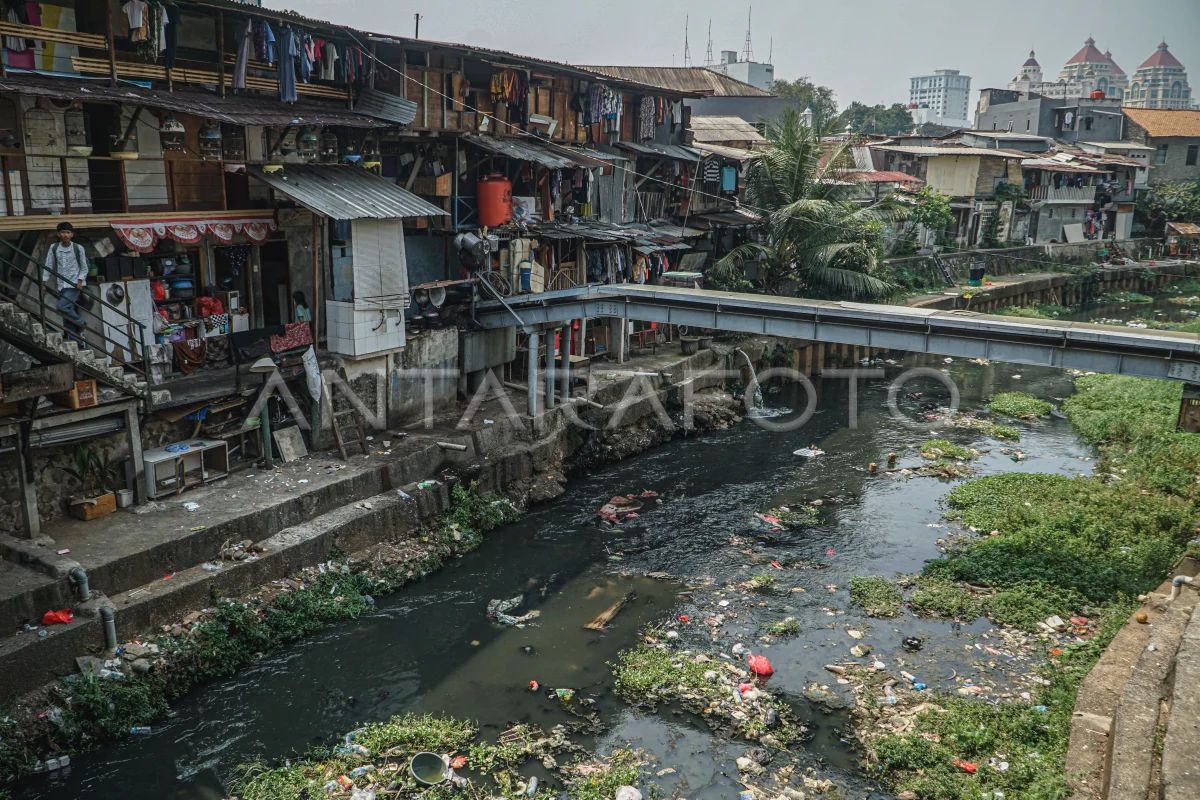
Jakarta (ANTARA) — Jakarta Governor Pramono Anung Wibowo said the proportion of the capital’s population living in poverty fell below 4% for the first time, reaching 3.96% in March 2026.
“Thankfully, last March was the first time Jakarta’s poverty rate fell below 4%, to 3.96%,” Pramono said at a press conference on the third-quarter 2026 regional budget realisation at City Hall on Wednesday.
Pramono also reported that almost all indicators related to poverty and employment in Jakarta had improved significantly.
“The open unemployment rate is 5.79%, while the labour-force participation rate is 66.05%, up 0.57 percentage points from last February,” Pramono said.
He said the progress had been achieved by maintaining optimism, despite continued pressure on the global economy.
The Jakarta provincial government is also preparing workers through its Mobile Training Unit, which helps participants in various programmes connect with 214 companies.
“I have also visited training activities in the field several times, covering practical skills such as make-up, hairdressing and sewing, as well as language learning. Language classes are now attracting a great deal of interest,” Pramono said.
He said that when Jakarta sends workers abroad, almost all destination countries require foreign workers to have a good command of the local language.
Pramono therefore urged prospective overseas workers to prepare their foreign-language skills thoroughly.
“About three months ago, if I remember correctly, we sent several workers from Jakarta to work overseas — in Germany, Japan and one other destination in the Middle East. Before they left, we asked for their language skills to be improved further,” Pramono said.
Source: jawawa.id (https://jawawa.id/newsitem/pramono-jakartas-poverty-rate-falls-below-4-for-the-first-time-1792569178)
Originally published by Antara (Indonesian) (https://www.antaranews.com/berita/5801561/pramono-penduduk-miskin-jakarta-di-bawah-4-persen-untuk-pertama-kali), translated from Indonesian