
Pramono highlights importance of auxiliary health centres for residents in slum areas
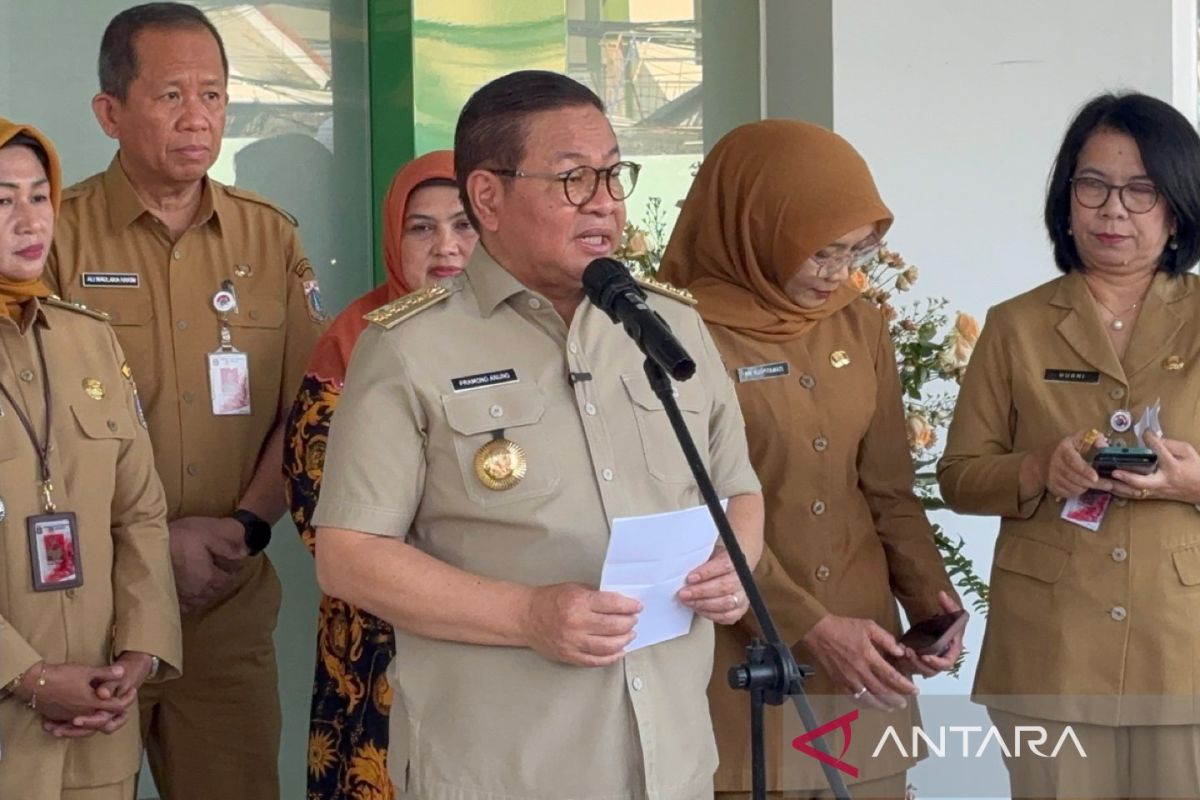
Jakarta Governor Pramono Anung Wibowo has highlighted the importance of auxiliary community health centres (Puskesmas Pembantu) in tackling health issues within slum neighbourhoods in the capital.
“Auxiliary health centres like these will play a role in further reducing the problems present in Jakarta’s slum RWs (neighbourhood units), as I want Jakarta to become increasingly better and cleaner,” Pramono stated during a visit to the Meruya Selatan II Auxiliary Health Centre on Monday.
As is well known, there are 11 criteria used to determine slum status at the RT (neighbourhood) level, which are then aggregated at the RW level. These include population density, building density, the construction of residential buildings, ventilation and lighting conditions, and sanitation facilities.
Other criteria include waste disposal methods, the frequency of waste collection, the condition of drainage systems, the state of local roads, public street lighting, and building layouts.
Previously, Pramono noted a decrease in the number of neighbourhood units (RW) categorised as slum in Jakarta. Based on recent data collected in collaboration with the Indonesian Central Statistics Agency (BPS), the number of slum RWs in Jakarta has decreased to 211 from 445 in 2017.
Pramono has instructed his staff to further investigate these findings to improve the lives of Jakarta’s residents.
“Although there are 1,900 areas previously considered non-slum, I agree that this needs deeper study. There has been a reduction in slum RWs from 445 in 2017 to 211 this year, representing a decrease of approximately 52.58 per cent,” said Pramono.
Source: jawawa.id (https://jawawa.id/newsitem/pramono-highlights-importance-of-auxiliary-health-centres-for-residents-in-slum-areas-1780926213)
Originally published by Antara (Indonesian) (https://www.antaranews.com/berita/5571028/pramono-soroti-pentingnya-puskesmas-pembantu-untuk-warga-di-rw-kumuh), translated from Indonesian