
Pramono Ensures LPDP Jakarta Reserved for High-Achieving and Underprivileged Students
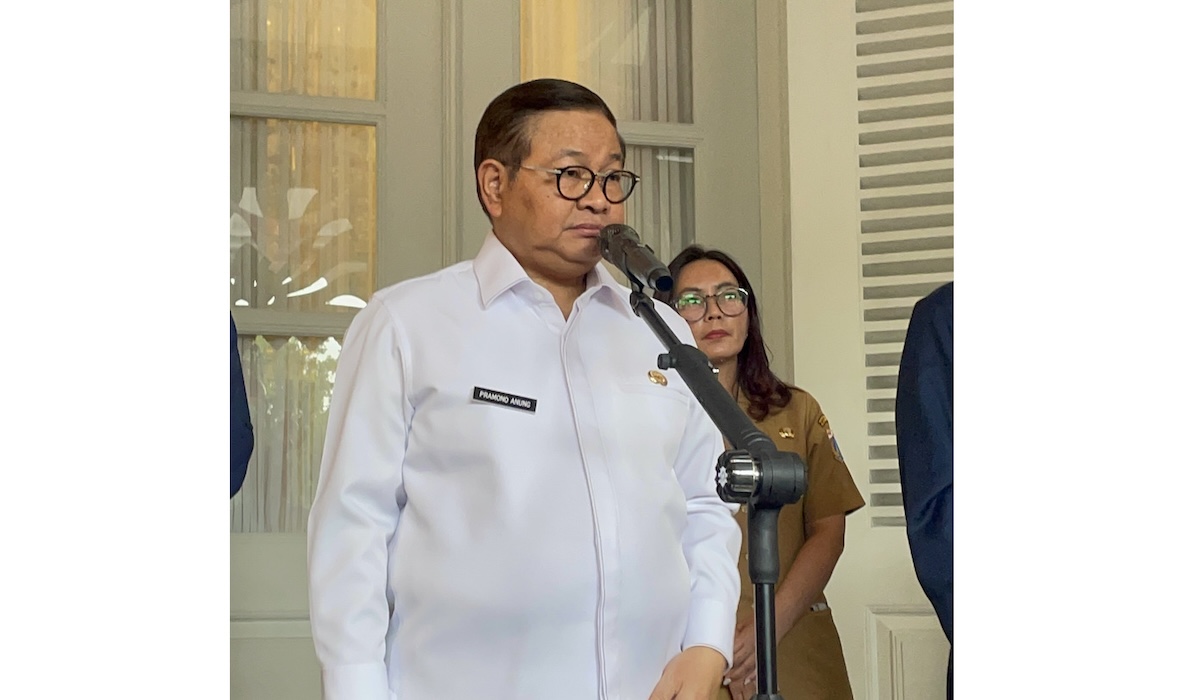
The Jakarta Provincial Government (Pemprov DKI Jakarta) is collaborating with the central LPDP in the selection process for scholarship recipients. This step is being taken to maintain the programme’s integrity and ensure it accurately targets Jakarta residents who are truly in need.
“To ensure this does not become a place where people scramble to secure ‘reserved’ spots for LPDP Jakarta, we are working with the central LPDP for the determination process. We are prioritising Jakarta residents from underprivileged families who possess strong academic abilities,” said Pramono.
The LPDP Jakarta programme is legally established under Governor Regulation (Pergub) Number 20 of 2026 concerning Assistance for Improving the Quality of Education. This programme provides opportunities for Jakarta residents to pursue Master’s (S2) and Doctoral (S3) degrees at the world’s top universities.
The Jakarta Provincial Government has prepared a budget of approximately Rp100 billion to support this programme. Registration is planned to open in September 2027 for the same study period. The selection process will be aligned with the human resource requirements for Jakarta as a global city.
In addition to LPDP, the regulation also governs the new scheme for the Jakarta Superior Student Card (KJMU). Pramono explained that the distribution of KJMU is now divided into two stages following changes in decile data from the Central Bureau of Statistics (BPS).
The first stage is intended for students whose data is error-free, allowing for the direct extension of assistance. Meanwhile, the second stage is aimed at re-verifying students who have experienced changes in their decile or are indicated to possess certain assets.
“Students who are found to have issues, such as owning a car, being children of civil servants (ASN), or owning a house with property tax (PBB) exceeding Rp2 billion, will undergo re-checking. Therefore, there are two stages to ensure that educational guarantees remain precisely targeted,” he concluded.