
Pramono: Drinking Water Tariffs Favour Low-Income Residents
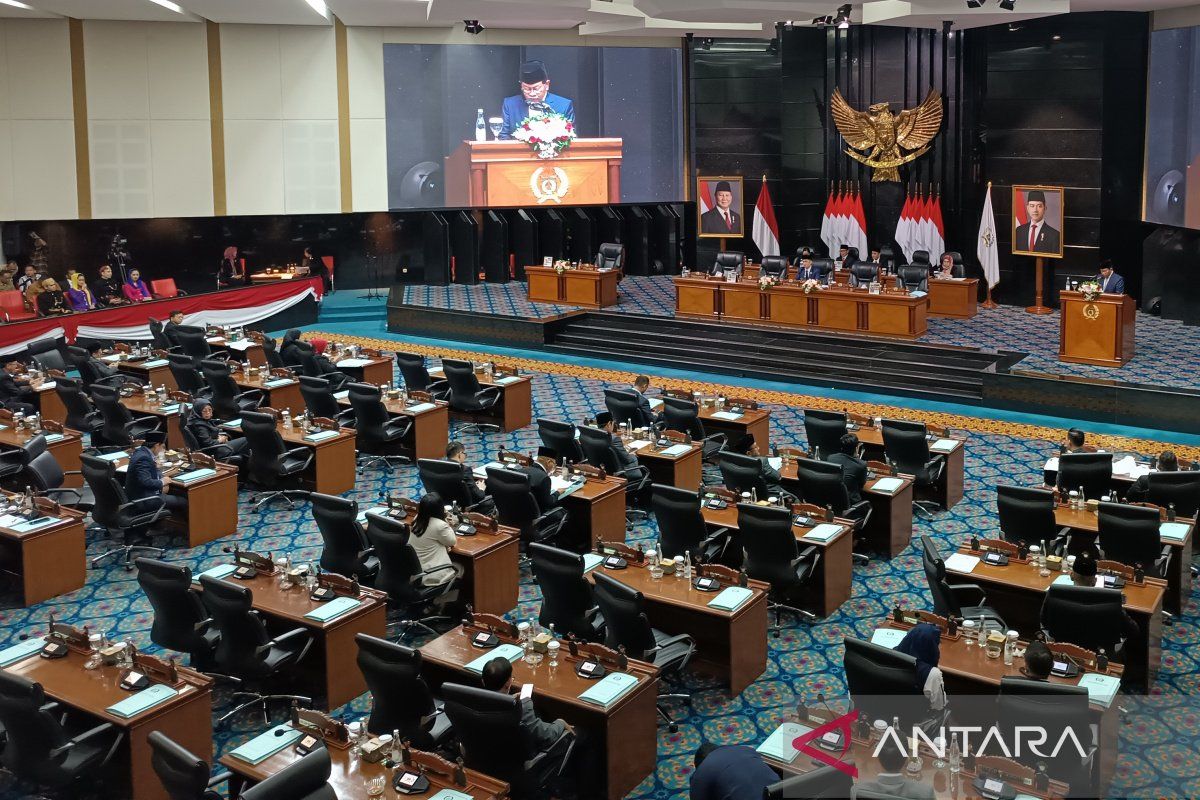
Jakarta (ANTARA) - Jakarta Governor Pramono Anung stated that the drinking water tariffs regulated in the Draft Regional Regulation (Raperda) on the Organisation of the Drinking Water Supply System (SPAM) will favour low-income communities (MBR).
“For low-income communities, the executive is committed to prioritising drinking water services for the public,” Pramono said during a plenary session at the Jakarta DPRD on Monday.
Pramono explained that the SPAM Raperda currently under discussion will favour MBR by ensuring affordable drinking water tariffs for them.
In addition, the tariff setting in this Raperda follows statutory regulations, and the executive agrees that subsidies must be on target, based on verified social data, and evaluated periodically to truly serve as a social protection instrument.
“Protection for low-income communities, as well as tariff fairness, is conveyed that the tariff policy is based on the principles of affordability, justice, reasonableness, and protection for low-income communities,” he said.
Previously, almost all political party factions in the Jakarta DPRD emphasised the importance of protecting low-income communities (MBR) in accessing affordable drinking water in the Draft Regional Regulation on the Organisation of the Drinking Water Supply System (Raperda SPAM).
“The tariff structure must provide real protection for low-income communities,” said PKS Faction Member Ismail.
He stated that the SPAM Raperda submitted by the DKI Jakarta Provincial Government requires several inputs to ensure the regional regulation truly guarantees the people’s sovereignty over water, which is a basic need.
Ismail continued that one issue highlighted by the PKS Faction concerns guarantees of affordable tariffs for MBR, so the tariff and subsidy arrangements in this Raperda must be based on the principles of social justice and real protection for the community.
“Water subsidies must not be general and loose, but targeted, transparent, and accountable,” he said.