
Pramono Collaborates with Experts to Adjust Procedures for Eradicating Janitor Fish
The Indonesian Ulema Council (MUI) has highlighted concerns regarding the mass burial process in the eradication of janitor fish in Jakarta. MUI assesses that burying the janitor fish alive contravenes two principles.
Jakarta Governor Pramono Anung has responded to the spotlight from MUI. Pramono will request experts to adjust the procedures for eradicating janitor fish in Jakarta.
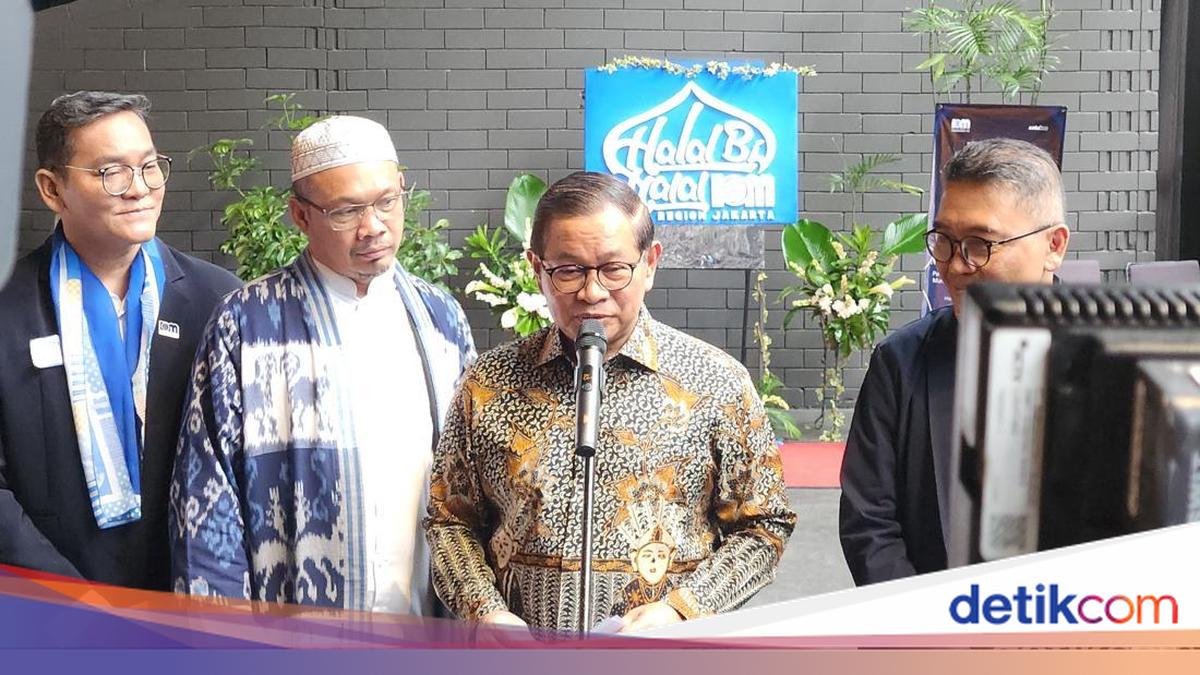
“Regarding the earlier question, there is advice and criticism from MUI, later I will ask the experts to adjust the procedures,” said Pramono after attending the Halal Bi Halal event with the ITB Student Parents Association in South Jakarta, Sunday (19/4/2026).
Pramono stated that the janitor fish itself in Jakarta’s biota exceeds 60 percent. Therefore, the eradication process for janitor fish will continue.
“This cannot then be done partially; we will continue and specifically as I mentioned, Jakarta will have PPSU to regularly clean janitor fish in Jakarta. Because if not, Jakarta’s water ecosystem will certainly be damaged,” he said.
MUI’s Spotlight
Meanwhile, the Secretary of the MUI Fatwa Commission, Miftahul Huda, conveyed that there are principles of rahmatan lil ’alamin and animal welfare or kesrawan (animal welfare). He explained from a sharia perspective that killing animals is permissible if it brings goodness. However, burying them alive involves an element of torture.
“That method is considered to cause unnecessary suffering,” said Miftah, quoted from the MUI Digital page, Sunday (19/4).
Miftah also touched on the issue from the perspective of animal welfare ethics. Burying alive is deemed inhumane and does not minimise suffering.
However, he stated that the Jakarta Provincial Government’s policy to control janitor fish is good because it protects the environment. Since the janitor fish itself can damage the ecosystem.
“That aligns with maqāṣid syariah, namely entering the category of modern ecological ḍharūriyyāt,” he said.