
Pramono Anung Bars DKI Civil Servants from Meetings if Late, Even by Two Minutes
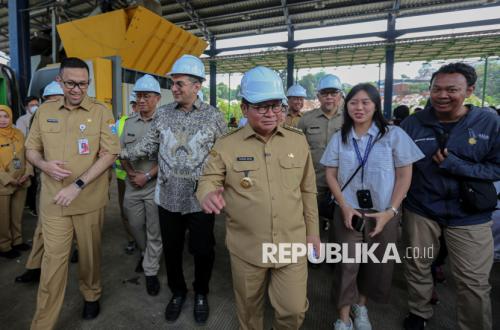
JAKARTA — Jakarta Governor Pramono Anung has introduced strict rules for civil servants in the Jakarta Provincial Government. Employees who arrive late to meetings, even by just one or two minutes, may be told not to attend.
The policy is part of Pramono’s effort to change working habits in the provincial bureaucracy. He wants punctuality to be treated not as a formality, but as part of everyday working culture.
“What are we building? Corporate culture. Now, whenever there is an event in Jakarta, everyone is disciplined,” Pramono said in East Jakarta on Sunday (25 October 2026).
Pramono said a corporate culture was needed to build a more professional government. One of the changes he is focusing on is the practice of arriving on time for meetings.
He said late starts had previously been fairly common at Jakarta City Hall. Meetings could begin as much as half an hour after their scheduled time.
According to Pramono, the situation has begun to change since he started enforcing punctuality directly at meetings he chairs.
“Now, if someone is one or two minutes late, I will politely say: it is better not to attend the meeting than to make it start late,” he said.
His remarks indicate that Pramono does not want lateness to become a habit that continues to be tolerated. For local government officials, the rule is also a reminder that meeting schedules are a work commitment that must be honoured.
Punctuality in focus
Punctuality at government meetings affects the delivery of work. When a meeting starts late, subsequent engagements may also be pushed back, particularly when several officials with different responsibilities are involved.
In local government, meetings are one means of co-ordinating across departments. They are used to discuss programme implementation, resolve administrative issues and align decisions involving more than one agency.
Improving punctuality can therefore help make co-ordination more effective. But success depends not only on participants arriving on time, but also on clear agendas, the quality of discussions and follow-up on decisions.
Strict enforcement also requires consistency across the administration, including from officials chairing meetings. Leaders setting an example is important to ensure discipline is understood as a shared working standard, rather than an obligation imposed only on certain employees.
Pramono’s statement did not clarify whether the ban on attending meetings has been set out in a written rule applicable to all DKI Jakarta civil servants, or whether it is a disciplinary practice in meetings he chairs himself.
It was also not explained how lateness caused by urgent circumstances would be handled, including when an employee is carrying out public services or faces circumstances beyond their control.
Source: jawawa.id (https://jawawa.id/newsitem/pramono-anung-bars-dki-civil-servants-from-meetings-if-late-even-by-two-minutes-1792932693)
Originally published by Republika (https://news.republika.co.id/berita/tnggjb451/pramono-anung-larang-asn-dki-ikut-rapat-jika-terlambat-lewat-2-menit-diminta-keluar), translated from Indonesian