
Pramono Agrees to Weekly Weather Modification to Combat El Niño
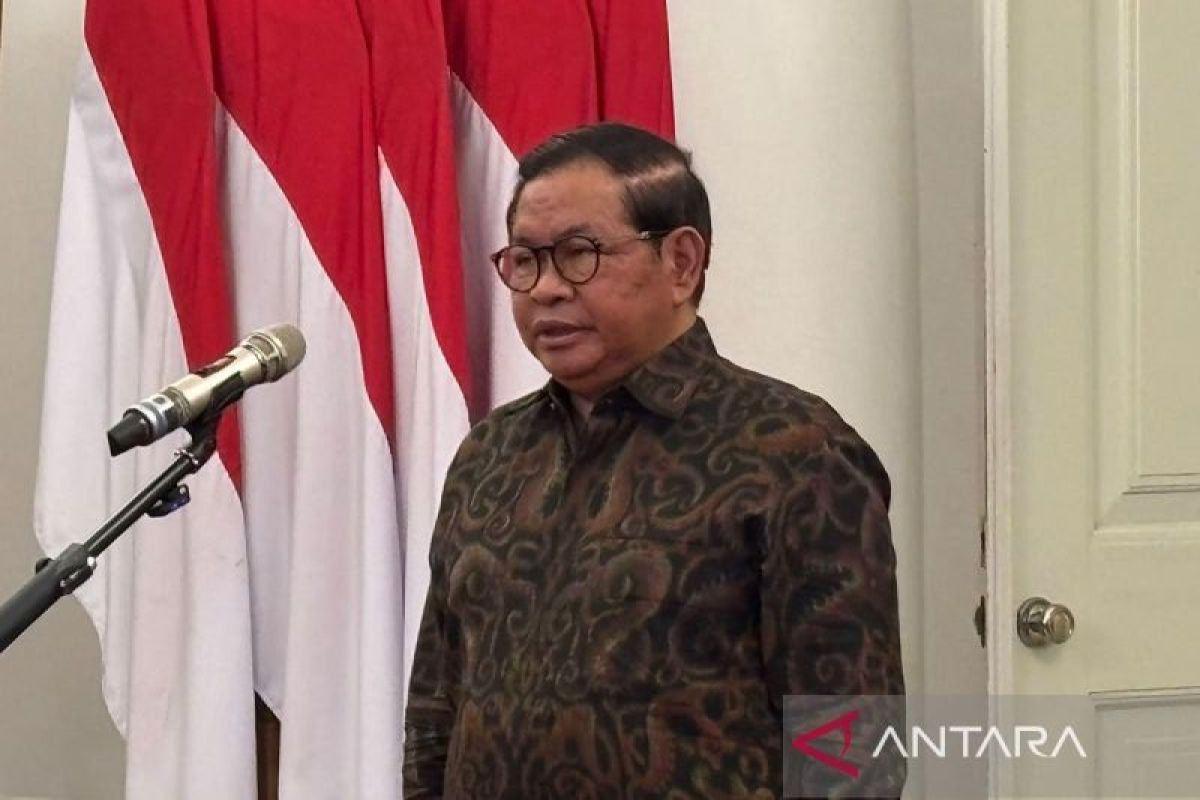
Jakarta Governor Pramono Anung has approved weather modification operations (OMC) once or twice a week whenever clouds are present, as part of efforts to tackle the El Niño phenomenon that could trigger a prolonged dry season.
“The peak of El Niño will be long, possibly one of the longest compared with 2023. I have given approval for rainmaking or weather modification every week, once or twice if clouds are available,” he said at Jakarta City Hall on Wednesday.
Pramono cited data from the Regional Disaster Management Agency (BPBD), the National Disaster Management Agency, and the Meteorology, Climatology, and Geophysics Agency (BMKG), which forecast rain will fall in late September or mid-September, and in the first or second week of October.
“The problem is that the likelihood of clouds being present is small. But I have issued instructions and we have made preparations,” he said.
Pramono said the Jakarta Provincial Government is focusing on two main areas in dealing with the El Niño phenomenon, one of which is anticipating fires.
“I have asked every neighbourhood unit (RW) to prepare fire extinguishers from now on because the weather is dry,” he said.
In addition to fires, the Jakarta Provincial Government is also working to anticipate cases of acute respiratory infections (ISPA) and ensure the provision of clean water.
Meanwhile, BMKG has stated that El Niño has reached a strong category and could still intensify to very strong, triggering a drier and longer dry season in several parts of Indonesia.
Areas south of the equator, such as East Nusa Tenggara, West Nusa Tenggara, Bali, Java, and southern Sumatra, are expected to experience a drier and longer dry season compared with the climatological average.
Source: jawawa.id (https://jawawa.id/newsitem/pramono-agrees-to-weekly-weather-modification-to-combat-el-nino-1785945321)
Originally published by Antara (Indonesian) (https://www.antaranews.com/berita/5681604/pramono-setuju-modifikasi-cuaca-dilakukan-dua-kali-sepekan), translated from Indonesian