
Pram-Rano admit they have yet to resolve flooding, congestion and poverty in Jakarta
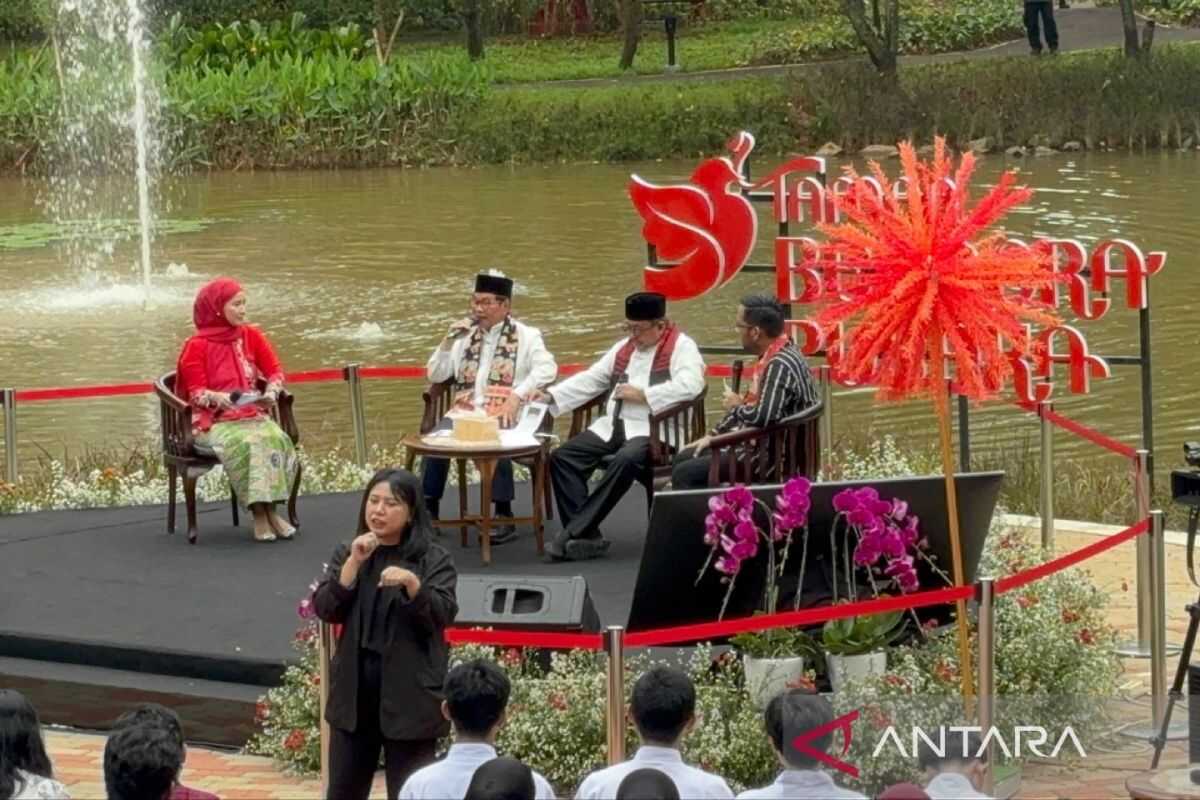
Jakarta (ANTARA) — Jakarta Governor and Deputy Governor Pramono Anung and Rano Karno have acknowledged that three core problems in the capital — flooding, traffic congestion and poverty — remain largely unresolved.
“The fundamental problems are still there. Congestion persists, flooding persists, and pollution is still an issue. We want to at least reduce these from their current levels,” said Pramono at an event titled “One Year of Building Jakarta From the Ground Up” at Taman Bendera Pusaka on Friday.
At the same event, Rano Karno said their first year in office had been focused on quick-win programmes. Of the 40 programmes outlined, he claimed approximately 97 per cent had been completed. However, he conceded that the achievements had not yet been felt to their fullest extent, as the administration was still at the stage of laying policy foundations.
“The Governor and I were just saying to each other — it doesn’t feel like it’s been a year already. It feels as though we haven’t really started anything yet. We’ve only been working on what we call the Quick Win Programme. Of the 40 programmes, thankfully about 97 per cent are complete,” Rano explained.
The year 2025 served as the initial acceleration phase for priority programmes, whilst 2026 marks a critical juncture as the government begins implementing its full development agenda through regional budget planning.
To address flooding, Rano said the DKI provincial government has begun normalisation efforts, starting with land acquisition at several points along the banks of the Ciliwung River.
Rano urged residents living along the riverbanks to cooperate so that the flood control programme can proceed effectively.
“I hope the Ciliwung communities affected can work with us. If we cannot cooperate, it will be difficult for us to resolve Jakarta’s flooding problem,” said Rano.
On traffic congestion, the provincial government plans to increase the fleet and routes of public transport. Additionally, cooperation with surrounding local governments is being strengthened through the introduction of Transjabodetabek.
According to Rano, traffic density is most acute during morning and afternoon rush hours, making the reinforcement of public transport services a priority.