
Practitioner: Tax digitisation must be accompanied by trust in the DGT
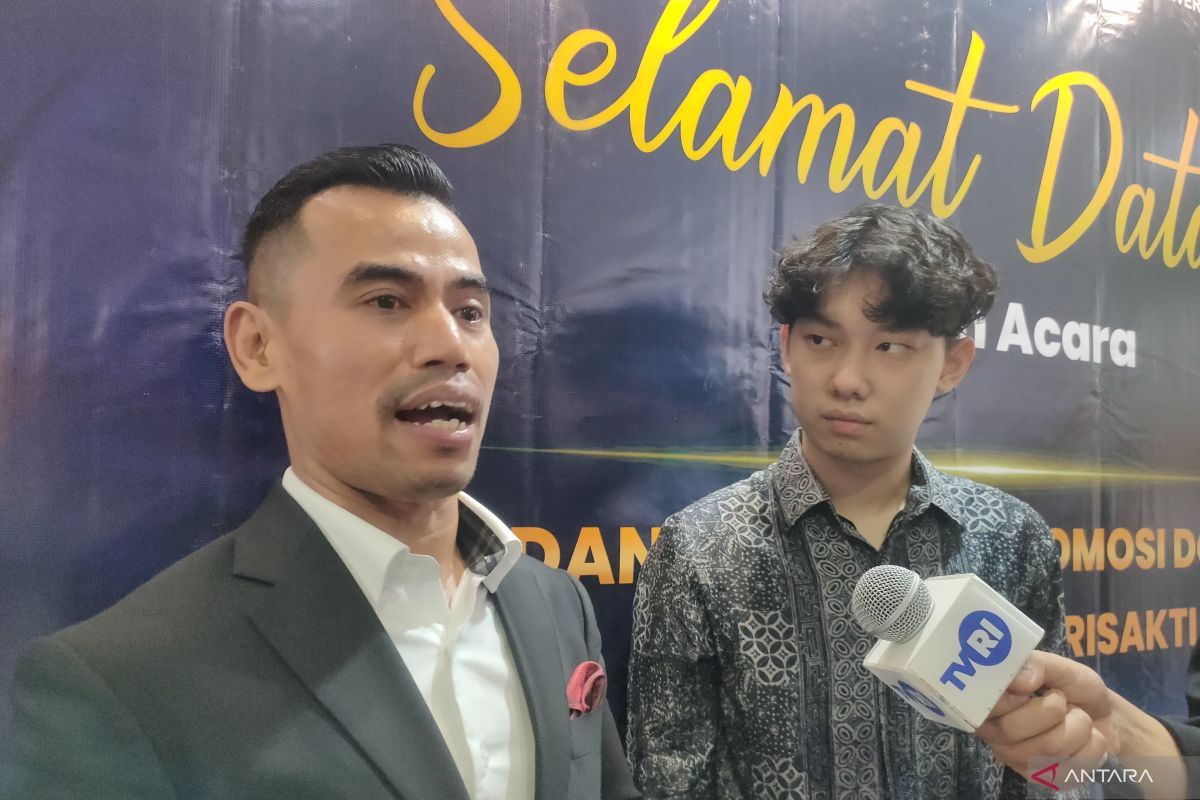
Jakarta (ANTARA) - Tax consultant Sabar Pardamean Tobing believes that tax digitisation must be accompanied by trust in the Directorate General of Taxes (DGT) and tax examinations that are effective and objective.
In an open session of the Doctor of Economics programme with a concentration in Accounting at the Faculty of Economics and Business, Universitas Trisakti, on Wednesday, Sabar explained that the implementation of the Coretax system from 1 January 2025 is expected to boost taxpayer compliance in Indonesia through digital-based services that are more efficient, while paying attention to a number of important variables.
‘Technology must be supported by taxpayer trust, the authority of tax officials that is legitimate and fair, and tax examinations that are effective. Therefore, this dissertation attempts to unify the aspects of technology, psychology, institutional, and law enforcement in a single research model,’ said Sabar when met at the location on Thursday.
Sabar defended a dissertation titled ‘The Influence of Digital Tax Administration, Taxpayer Trust, and Tax Authority Authority on Taxpayer Compliance With Tax Examination Effectiveness as a Moderating Factor.’
He revealed that the topic was chosen because Indonesia is currently in a phase of modernising the tax administration system through Coretax.
Coretax is a digitally-based tax administration system developed by the DGT to integrate registration, calculation, payment, reporting, and other tax services into a single platform.
In his study, he found that the most fundamental challenge in increasing taxpayer compliance in Indonesia is not only the introduction of a digital system but the creation of a compliance ecosystem that is trusted by the public.
According to him, compliance cannot be built solely on fear of penalties or tax audits.
‘Modernisation can streamline administration, but if taxpayers do not trust the system or feel that the tax authority is not sufficiently fair and consistent, then compliance may not increase optimally,’ said Sabar.
From his findings, digital tax administration emerges as the biggest driver of taxpayer compliance, with a coefficient of 0.381.
That figure is higher than the influence of tax authority authority, at 0.279, and taxpayer trust, at 0.247.
‘In other words, the quality of the digital tax system is the principal gateway to compliance. However, tax digitalisation should not be interpreted merely as the use of an application,’ Sabar clarified.
He added that a digital system must be easy to use, secure, integrated, provide guarantees, and help taxpayers exercise their rights and fulfill their obligations more efficiently.