
Practical Food Innovations to Address Hajj Service Challenges
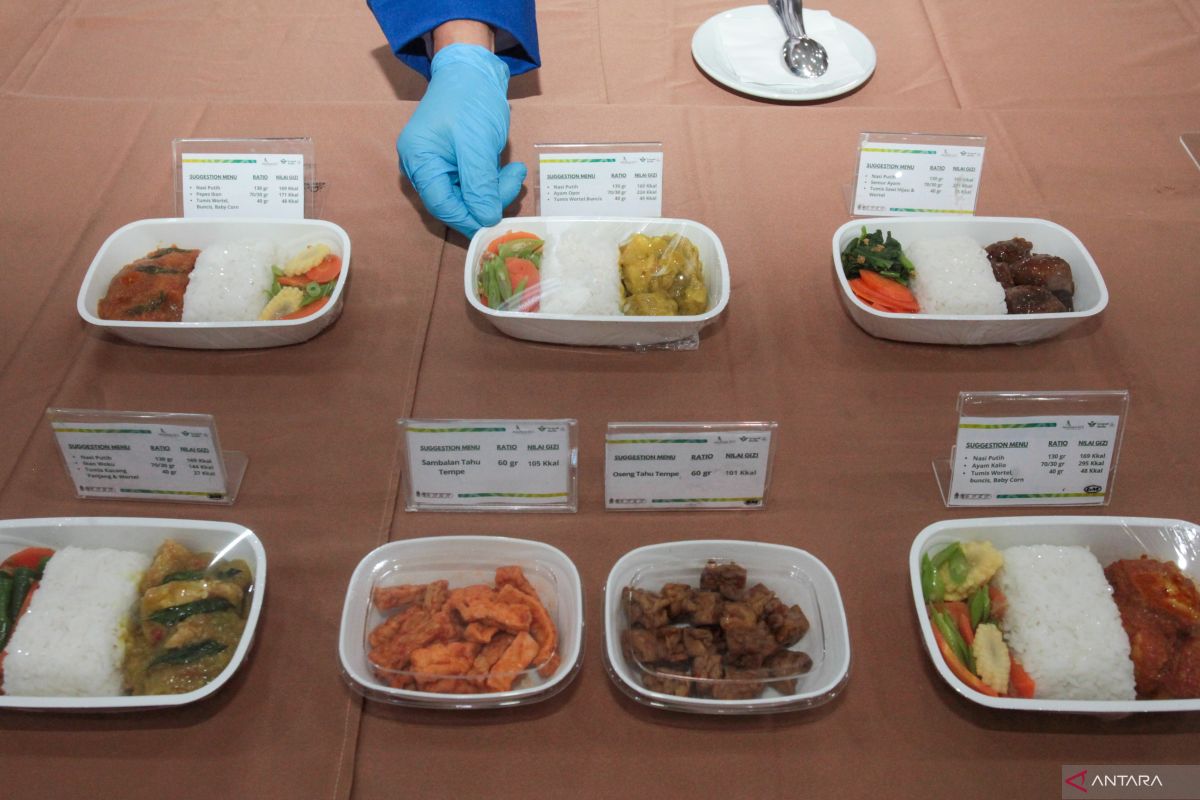
We are reminded of one thing that is often overlooked: food that feels ordinary in daily life can become extremely valuable in certain conditions.
Jakarta (ANTARA) - Food that feels so close and easily obtainable in everyday life suddenly turns into a rare luxury when the Hajj season arrives in the holy land.
This situation is most evident in Arafah, Muzdalifah, and Mina. It is at these three points that pilgrims are in the densest conditions with the most limited access to facilities. Yet, this phase is the main ritual of Hajj worship, when pilgrims perform wuquf and overnight stays.
There are no private kitchens, no spacious areas to heat food, and meal times often have to adjust to the strict rhythm of worship.
In such conditions, practical food is no longer just about efficiency, but about the feasibility of survival in unusual circumstances.
Behind this seemingly simple need lies a major challenge that must be addressed by the state.
How to ensure that food remains available in large quantities, maintains its quality, is safe to consume, and can be served in a way that suits field conditions.
A small mistake in the distribution chain can have widespread impacts, from health disruptions to interference with worship.
Food Technology Innovation
In a limited coordination meeting discussing Hajj food preparedness for 2026, the Head of the National Research and Innovation Agency (BRIN), Arif Satria, explained that one solution to these challenges is the development of ready-to-eat food technology.
This technology does not stand alone but is the result of long-term development in food packaging.
From canned food and flexible packaging for soupy dishes to the latest innovation of flame-free heating technology.