
Prabowo's WFH Policy and the Political Narrative in a Crisis Situation
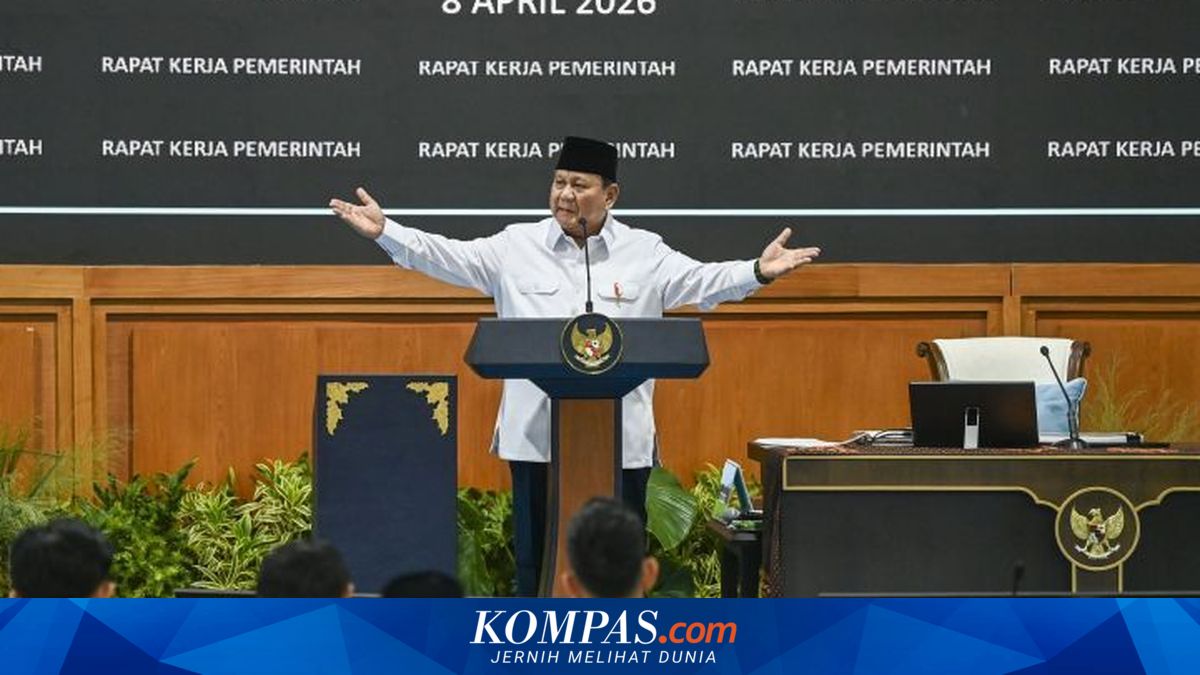
Amid the world’s unpredictable turmoil, with sharpening geopolitical tensions and the shadow of an energy crisis, countries are panicking and beginning to raise fuel (BBM) prices to adjust to the surge in global energy costs. However, President Prabowo Subianto has positioned Indonesia differently: not merely following the global current, but striving to hold back the turbulence so it does not immediately strike the populace. In this regard, Prabowo has chosen not to raise BBM prices and to seek alternative policies. Prabowo prefers a soft policy, namely implementing a Work From Home (WFH) policy to suppress energy consumption and preserve the public’s purchasing power. WFH is intended as a psychological balancer. It does not directly touch the public’s pockets, but sends a signal that the state is endeavouring to reduce the pressures of daily life. This approach demonstrates an orientation towards social stability and direct protection of the populace, avoiding the inflationary impacts that usually follow BBM price increases. A one-day WFH per week is not merely bureaucratic efficiency. If read within the political landscape amid global economic pressures, particularly the rise in energy prices and geopolitical tensions, this step is seen as reflecting a deeper crisis communication strategy: dampening turbulence, managing public emotions, and maintaining social stability. A one-day WFH may seem simple, but in the context of politics and psychology, it is part of a larger effort: preserving calm amid uncertainty. And in crisis conditions, calm is not merely a state; it is the result of strategy. In the lens of modern politics, a leader’s capability is not only measured by the courage to make decisions, but also by the skill in managing public emotions. It is here that a simple policy can have a significant impact if placed within the right communication framework. From the perspective of Timothy Coombs’ crisis communication theory, the government has the primary responsibility to respond to a crisis not only with concrete actions, but also with the appropriate narrative. He emphasises that in crisis situations, the public needs three things: clarity of information, a sense of security, and a trustworthy direction. It is here that politics must not be understood merely as policy, but as how the state speaks to its people, present to provide a sense of security for the people amid uncertainty. This is important, especially amid the global energy price increases that have the potential to trigger social unrest. Instead of emphasising threats (such as the global energy crisis), the government instead sends a signal that the situation is still under control, and life can continue as normal. The one-day WFH, in this case, becomes a political symbol: the state is present, but not repressive; the state is vigilant, but not panicked.