
Prabowo’s Phone Number Allegedly Intercepted: How LIMS Technology Works
President Prabowo Subianto’s telephone number was allegedly entered into a communications interception system called the Lawful Interception Management System (LIMS). The technology, which is supposed to support law enforcement, is suspected of having been misused to monitor the communications of several important figures without following the proper procedures.
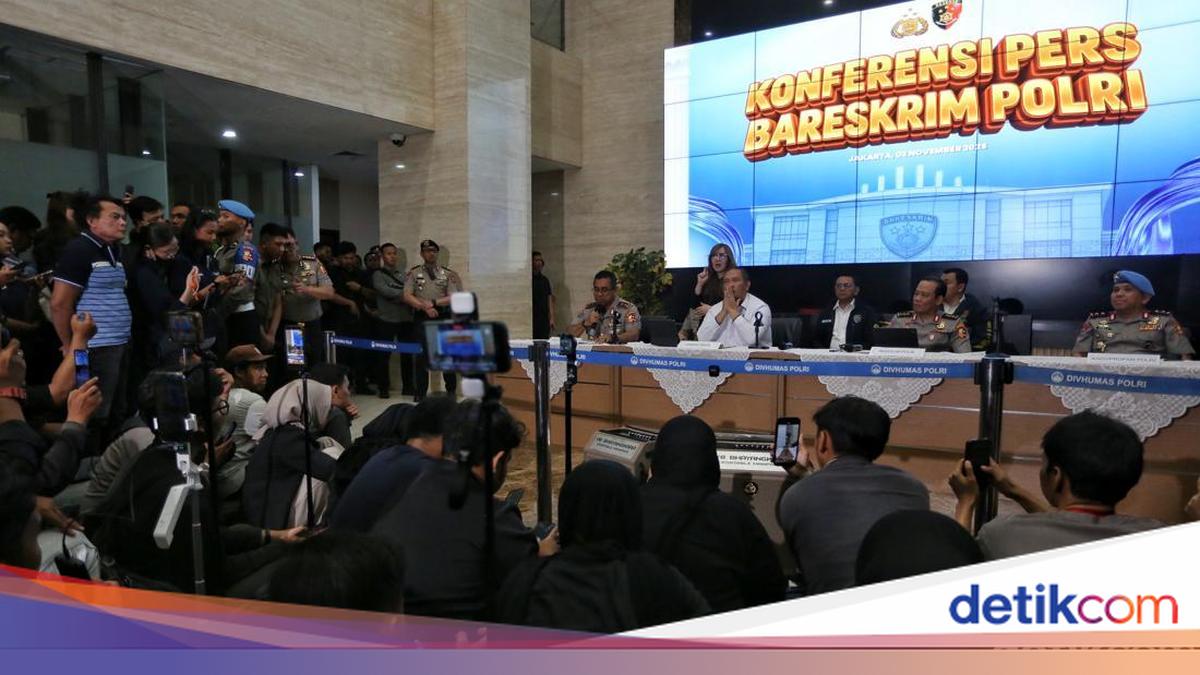
The Criminal Investigation Agency (Bareskrim) of the National Police said several telephone numbers, including Prabowo’s, were allegedly entered into the LIMS server without verification. The activity is said to have taken place from 2025 to 2026.
“Several of these numbers were entered into the LIMS server, or Lawful Interception Management System, without verification,” National Police Criminal Investigation Agency chief Commissioner General Asep Safrudin said at a press conference in Jakarta on Tuesday (3 November 2026), as quoted by detikNews.
The case has attracted attention because LIMS is not simply a wiretapping app installed on someone’s phone. The system works by using telecommunications network infrastructure to intercept communications.
This means that, technically, communications can be monitored without installing a spy app or spyware on the target’s phone.
So what exactly is LIMS? How does it work, and what information can be obtained through the technology?
What is LIMS?
According to detikInet, the Lawful Interception Management System (LIMS) is a communications interception management system used to support wiretapping by law enforcement agencies with the necessary authority.
LIMS is part of lawful interception technology: a mechanism for obtaining or monitoring communications information in accordance with legal requirements. The technology can be used in criminal investigations and inquiries.
Put simply, LIMS manages interception through telecommunications infrastructure. Its functions include setting targets, managing interception requests, coordinating with telecommunications operators and delivering intercepted material to authorised parties.
The European Telecommunications Standards Institute (ETSI) says lawful interception enables telecommunications operators or communications service providers to collect and hand over communications information to authorised law enforcement authorities.
ETSI standard TS 104 007 on Lawful Interception Architecture also describes the technical architecture of interception, including the management of authorisations, the setting of targets, the collection of communications information and the delivery of intercepted material through dedicated interfaces.
Meanwhile, a 2025 study by the European Parliamentary Research Service (EPRS) explains that lawful interception technology can provide access to the content of communications as well as metadata, depending on the technology and methods used.
LIMS, therefore, is not merely a device for listening to telephone conversations. It is part of an infrastructure that enables communications interception to be managed centrally.
How does LIMS work?
In principle, interception using lawful interception technology must not be carried out arbitrarily. It must have a legal basis and follow the applicable authorisation procedures.
In general, communications interception involves several stages.
- Interception request
The process begins when law enforcement officers submit an interception request for the purposes of investigating or probing a case.
The request must have a legal basis and identify the target and the scope of the communications information required.
- Verification and authorisation
The request is then reviewed to ensure that the interception falls within the agency’s authority and complies with legal procedures.
This stage is one of the safeguards intended to prevent interception facilities from being used for personal purposes or outside law enforcement.
- Activation of interception facilities
Once authorisation has been granted, interception facilities on the telecommunications operator’s network can be activated in line with the approved request.
At this stage, the system enables specific communications information to be obtained from the network infrastructure.
- Delivery of intercepted material
The information obtained is then sent through a dedicated interface to the monitoring facility of the authorised law enforcement agency.
It may include the content of communications as well as data relating to communications activity.
Two types of data accessible through LIMS
Under ETSI standard TS 104 007, information obtained through interception is generally divided into two categories: Content of Communication (CC) and Intercept-Related Information (IRI).
The two categories serve different purposes in communications monitoring.
- Content of Communication (CC)
Content of Communication (CC) is the content of communications made by the interception target.
This data may include voice from telephone conversations and other communications content available through the network’s interception facilities.
In other words, CC relates directly to the substance of communications between two or more parties.
- Intercept-Related Information (IRI)
Intercept-Related Information (IRI), meanwhile, is information related to communications activity rather than the content of a conversation.
It may include the identities of the parties communicating, when the communication took place, the duration of the connection and technical network information.
In certain circumstances, network-based location information may also be available, depending on the technology and telecommunications services used.
IRI is often referred to as communications metadata. Although it does not contain the substance of a conversation, metadata can provide a picture of a person’s communications patterns, including when and with whom they communicate.
Information obtained through interception is therefore not always an audio recording. Data about communications activity can also reveal important details about a person’s relationships and communication habits.
Can a phone be intercepted without installing spyware?
The answer is yes, technically. One characteristic of lawful interception is that it can intercept communications through telecommunications network infrastructure.
This differs from spyware-based interception, which generally requires access to the target’s device through the installation of specific software.
With network-based interception, information is obtained through dedicated facilities connected to the telecommunications operator’s infrastructure.
As a result, phone owners are not necessarily notified when their communications are being intercepted.
That does not mean, however, that all of someone’s digital activity can be accessed without limits. Interception capabilities depend on the type of network, system configuration, communications service and security technology in use.
Encryption, for example, can affect an interceptor’s ability to obtain the content of communications in a readable form.
LIMS therefore does not automatically provide access to everything on a phone, such as its photo gallery, stored messages or all app activity. Those capabilities differ from intercepting communications through a network.
LIMS allegedly misused to intercept communications of public figures
In the case of alleged illegal interception targeting President Prabowo, the National Police’s Criminal Investigation Agency has disclosed suspected misuse of the LIMS system. Three people have been named as suspects: Presidential Chief of Staff and former National Police chief Listyo Sigit Prabowo (LSP), National Police Legal Division chief Inspector General Ahrie Sonta (AHN), and Inspector General Eko Hadi Santoso (EH).
Investigators allege that the suspects ordered interceptions without a request letter from investigators or an attached police report.
Several telephone numbers were reportedly entered into the LIMS server without verification and without any connection to law enforcement purposes.
The alleged targets were not limited to President Prabowo. Government officials, political figures, media workers, civil society organisation figures, non-governmental organisations (NGOs) and businesspeople were also said to have been included on the target list.
Investigators have also disclosed an alleged attempt to erase traces of the interception activity. In October 2026, the suspects were said to have ordered the deletion of several interception files and system activity logs.
The case came to light after an officer filed a police report on 30 October 2026.
As part of the investigation, the Criminal Investigation Agency has questioned 10 witnesses and three experts. Investigators have also seized 11 mobile phones, one iPad and four flash drives as evidence.
The Criminal Investigation Agency has named three people as suspects: [names of the suspects as stated in the investigators’ official announcement].
Legal proceedings against the suspects are ongoing. Being named a suspect does not in itself prove that a person is guilty; that must be established through judicial proceedings.
The case highlights the importance of oversight in the use of communications interception technology. A system designed to assist law enforcement can raise serious concerns if used without a legal basis, verification and adequate oversight mechanisms.
Source: jawawa.id (https://jawawa.id/newsitem/prabowos-phone-number-allegedly-intercepted-how-lims-technology-works-1793753452)
Originally published by detikBali (https://www.detik.com/bali/berita/d-8737316/nomor-hp-prabowo-disadap-begini-cara-kerja-teknologi-lims), translated from Indonesian