
Prabowo’s Move Forces Exports to Go Through a Single Special State-Owned Enterprise
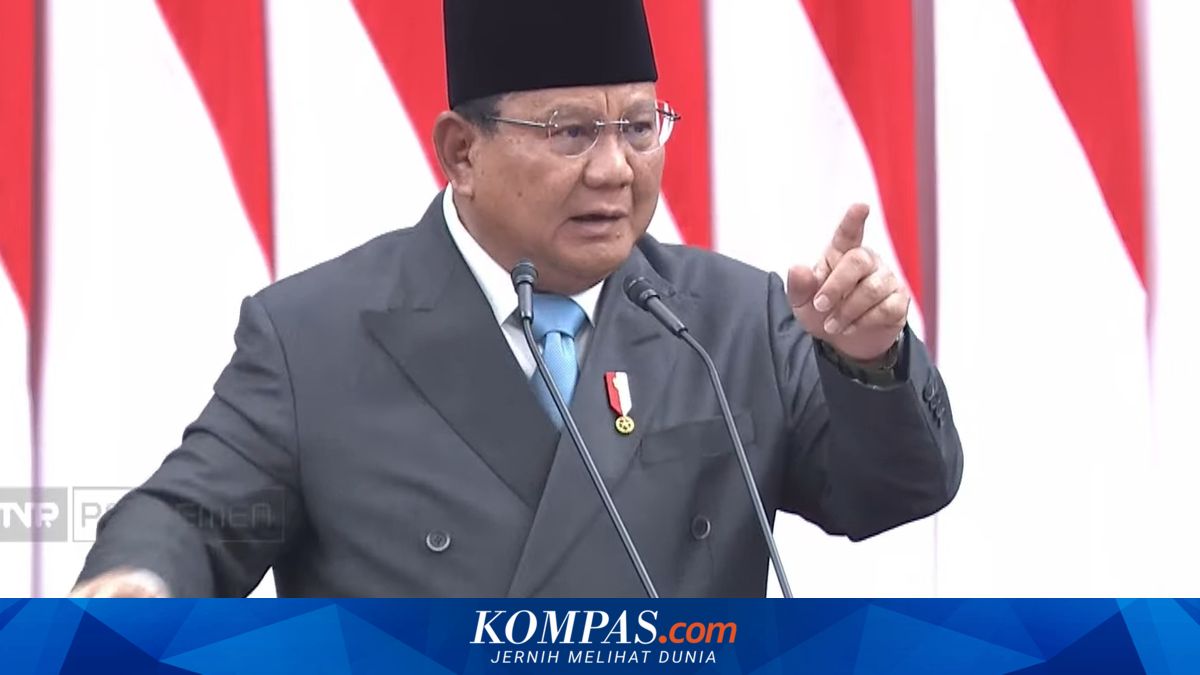
Jakarta — Indonesian President Prabowo Subianto has issued a Government Regulation on the Governance of Exports of Natural Resource Commodities (SDA), mandating that the sale of several strategic commodities be conducted through a designated export-focused state-owned enterprise (BUMN) as the single exporter. In a speech delivering the Macro Economy Framework and Fiscal Policy Outlook (KEM-PPKF) 2027 at the DPR building in Senayan, Jakarta, on Wednesday, 20 May 2026, the president said the policy is intended to strengthen the governance of national natural resource exports, which he argued have remained fragmented. ‘The issuance of this government regulation is a strategic step to strengthen governance of our natural resource export commodities. The sale of all our natural resource outputs—starting with palm oil, coal, and iron alloys—will be required to be conducted through a government-designated BUMN as the sole exporter,’ he said. ‘In other words, the proceeds of each export sale will be passed from the designated BUMN to the business operators managing the activities. This can be described as a marketing facility.’ The policy will be implemented through a new company formed by Danantara Indonesia named PT Danantara Sumber Daya Indonesia (DSI). The Coordinating Minister for Economic Affairs, Airlangga Hartarto, said the formation of the company forms part of the implementation of the new regulation. ‘The Minister of Investment/Head of BKPM has formed what is called PT Danantara Sumber Daya Indonesia (DSI). Further details will follow,’ he said at a press briefing at the DPR Building, Jakarta, on Wednesday. Meanwhile, Rosan Roeslani, the Minister of Investment and Trade (Hilirisasi) and also CEO of Danantara, said the establishment of DSI is intended to improve governance of national strategic commodity exports. ‘Thus, in order to refine and improve governance openly, upholding high governance standards, we will begin this in June,’ he said. ‘For a considerable period, based on the President’s data, World Bank figures show a high level of under-invoicing and transfer pricing.’