
Prabowo's Geopolitical Navigation Amidst the Middle East Storm
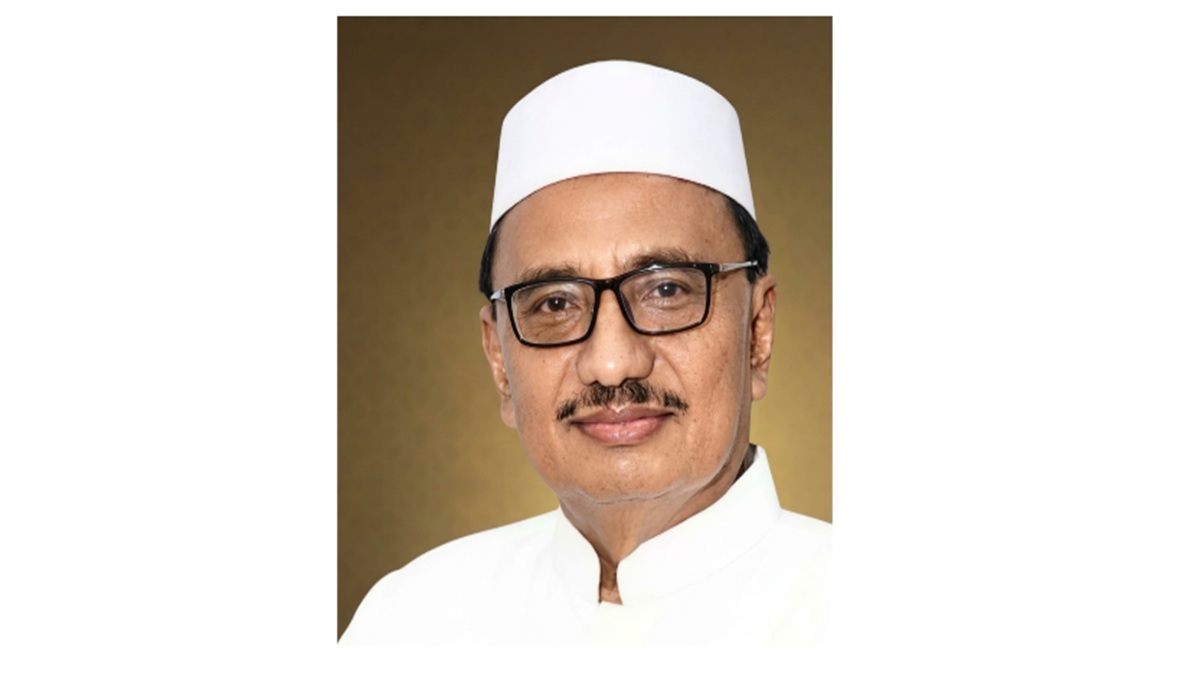
President Prabowo Subianto’s statement during a meeting with the Indonesian Chamber of Commerce and Industry (Kadin) at the State Palace in Jakarta has suddenly become the epicentre of international diplomatic attention. Public scrutiny peaked when the discussion of sensitive issues regarding military escalation and the potential proliferation of nuclear weapons in the Middle East was accompanied by a sudden cut-off of the live broadcast. This event triggered widespread speculation domestically and quickly prompted an official clarification from the Embassy of the Islamic Republic of Iran in Jakarta.
However, behind the media uproar and public concern over potential diplomatic friction, a deeper geopolitical analysis shows a far more measured reality. President Prabowo’s speech was not a continuation of a particular party’s narrative, but rather a reflection of real fears over energy supply instability and the threat to the balance of power in the Gulf region.
When expressing concern about rumours that Iran has acquired nuclear weapons, which could potentially encourage Saudi Arabia, the UAE, Qatar, and even Egypt to pursue similar capabilities, Prabowo was not unilaterally condemning Iran. As explained by Middle East geopolitical observer Faisal Assegaf, the narrative was essentially quoting assessments and anxieties often voiced by Western and Israeli intelligence authorities.
For a head of state and former strategic military practitioner like Prabowo, his main focus lies on the proliferation domino effect. In national security calculations, if one regional actor is perceived to have achieved breakout capability, all neighbouring countries are rationally driven to launch counter-programmes to avoid an asymmetry of power.
Prabowo’s communication style, which is relatively direct and unfiltered, often brings high-level intelligence analysis and crisis simulations directly to the domestic public forum. This is intended to provide an early warning to national business actors that global geopolitical turmoil never stands alone, but has a direct impact on the Indonesian economy.
The swift action by the Iranian Embassy in Indonesia through an official 5-point statement was a form of mature diplomatic damage control. Tehran’s response focused on clarifying the facts without building a confrontational narrative against the Indonesian Government: IAEA Supervision & NPT: Iran affirmed its nuclear programme runs transparently under strict IAEA supervision and in accordance with the Non-Proliferation Treaty (NPT). Fatwa Against Nuclear Weapons: Tehran reiterated the Supreme Leader’s Fatwa forbidding the development and possession of weapons of mass destruction. Peaceful Use: The mastery of nuclear technology is intended purely for the energy, medical, and scientific research sectors.
Iran recognises Indonesia’s strategic position within the Organisation of Islamic Cooperation (OIC) and Jakarta’s historical commitment to a free and active foreign policy. Tehran chose to use this momentum to educate the Indonesian public while maintaining harmonious bilateral relations.
The issue of the live broadcast being cut off when President Prabowo entered the core of the regional security analysis is often misunderstood by the public as a dramatic act of censorship. However, in the world of presidential broadcast diplomacy, this step is part of a Sensitive Issue Protocol. When a head of state’s narrative has the potential to cause diplomatic friction or misinterpretation for friendly nations, the presidential communications and protocol team swiftly diverts the forum to a closed session. This step is usually taken to prevent the premature release of a sensitive narrative before diplomatic language is aligned by the Ministry of Foreign Affairs.
This dynamic does not fracture Jakarta’s relations with Tehran. The diplomatic relations between the two countries are underpinned by a tested foundation of mutual respect. The most tangible and substantive impact of this geopolitical dynamic actually falls back on Indonesia’s energy security. Indonesia is a net importer of crude oil and LPG, heavily dependent on the stability of the Middle East region. Most of Indonesia’s oil and gas import flows pass through the strategic chokepoint of the Strait of Hormuz, under the full maritime navigation control of Iran. Every escalation in this region carries a double risk.
The polemic surrounding President Prabowo Subianto’s speech and Iran’s diplomatic response provides an invaluable geopolitical lesson. Prabowo was not taking sides, but rather voicing macro-level anxieties over a potential systemic crisis that could hit the Indonesian economy. Going forward, the Indonesian Government is advised to take two strategic steps.
President Prabowo Subianto asked the public to remain calm in facing a volatile global situation. Indonesia’s natural resource wealth must be safeguarded with unity and wisdom. President Prabowo Subianto affirmed Indonesia’s commitment to maintaining world peace through a non-aligned foreign policy and the principle of ‘good neighbour policy’. President Prabowo Subianto reminded the nation’s elite of the importance of unity because Indonesia’s natural wealth is often a target of foreign interests.