
Prabowo's Foreign Language Push for Primary Schools Hailed as Boost for Indonesian Migrant Workers
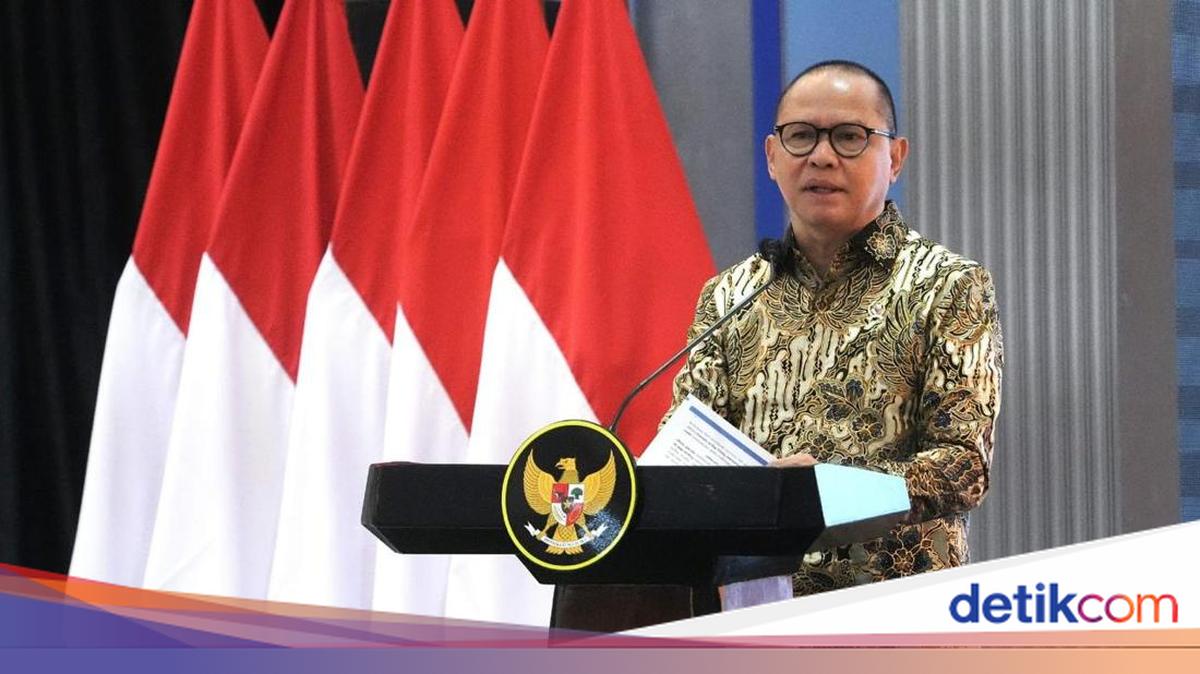
President Prabowo Subianto’s emphasis on improving human resources, particularly through early foreign language acquisition, has been praised as a crucial step in preparing Indonesian migrant workers for the global market. In his state address at the MPR Annual Session, Prabowo stressed the importance of children mastering foreign languages from the first grade of primary school, including English, Mandarin, Arabic, Japanese, Korean, Spanish, French, and Russian. “Mastering foreign languages is an absolute necessity. We will start foreign language lessons for our children from primary school, from the first grade,” Prabowo stated.
Responding to the speech, Mukhtarudin assessed that strengthening language skills from an early age is a strategic investment in building a generation ready for the global job market. “What the President conveyed is a grand vision to change the paradigm of our migrant workers. We want to move from a workforce largely engaged in low-skilled jobs to professionals with competence and the ability to communicate globally,” Mukhtarudin said. He noted that language barriers are a major obstacle for Indonesian migrant workers, making the President’s directive to equip children with global languages a precise long-term investment.
Mukhtarudin highlighted the direct link between the policy and the need to prepare a workforce capable of entering the international market. “The President gave a clear picture that future competition is not just between nations, but between human resources. Therefore, we must prepare our children from the start with the skills the world needs,” he said. He added that language ability must be paired with technical skills, certification, technological proficiency, and an understanding of the culture and regulations of destination countries.
Prabowo also noted the high demand for labour in various countries, particularly in tourism, hospitals, and caregiving, which require strong communication skills. Mukhtarudin sees this as an opportunity Indonesia must seize by improving the quality of prospective migrant workers. “The question is what kind of workers they need. Our task is to ensure Indonesian workers meet those standards,” he said. He stressed that education and training must be aligned with market demands so that workers gain access to suitable jobs with good prospects.
Prabowo further highlighted the positive character of Indonesian workers, describing them as friendly, tenacious, and polite. Mukhtarudin agreed that this character is a social asset that must be strengthened with professionalism, including discipline, technical ability, communication, productivity, and regulatory compliance. He asserted that quality improvement must go hand in hand with protection, ensuring every placement process is official, transparent, and lawful. “Our measure of success is not just how many depart. What is more important is that they depart officially, work according to their competence, receive their rights, and return home with an improved quality of life,” he said.
Mukhtarudin concluded that the government is shifting the paradigm of Indonesian migrant workers from mere labourers to global talents with international competitiveness. He believes the experience, skills, and networks gained abroad will become valuable assets for national development upon their return, while also strengthening the national economy through foreign exchange and improving the welfare of migrant worker families.