
Prabowo Urges Universities to Align Graduates with National Industrial Needs
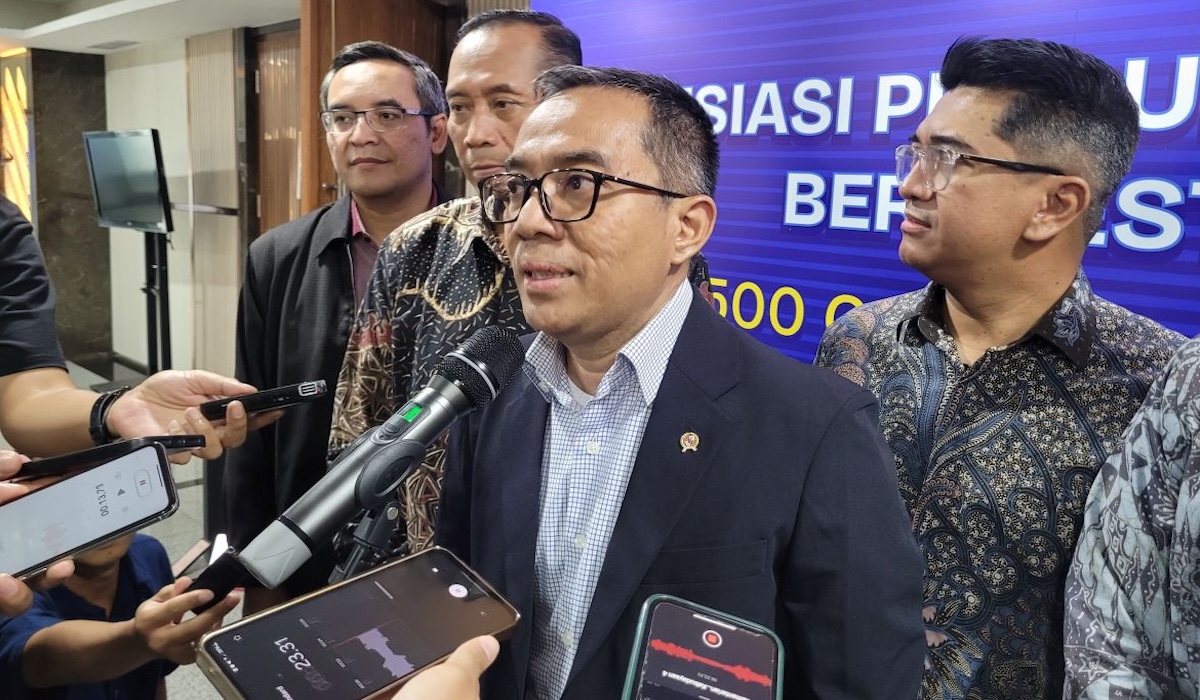
President Prabowo Subianto has called on universities to prepare human resources that align with the needs of national industrialisation. The directive was given during a meeting with the Minister of Higher Education, Science, and Technology, Brian Yuliarto, at the Merdeka Palace in Jakarta on Thursday (25/6). During the meeting, Prabowo provided several instructions regarding the acceleration of strategic industrial sector development in Indonesia. According to Brian, the government is currently pushing for national industrial development in various fields, including pharmaceuticals and motor vehicles. “Many programmes, starting from pharmaceuticals, the development of the pharmaceutical industry, national cars, national motorcycles, and others, as well as downstreaming programmes, can be accelerated,” Brian stated after the meeting. Brian noted that accelerating industrialisation requires not only programmes and investment but also a workforce with competencies that meet industry demands. Consequently, the government is placing significant attention on the readiness of university graduates to serve as the backbone for developing priority sectors. He mentioned that the Head of State requested universities to ensure that graduates possess skills and expertise relevant to the needs of the industrial world. This is considered crucial for ensuring that the development of strategic sectors can proceed more rapidly and in a focused manner. “We were asked to ensure that our human resources, our university graduates, can truly meet the human resource needs for industrial development, which is not insignificant,” Brian said. Brian explained that the need for experts in the industrialisation process is highly diverse. Therefore, the Ministry of Higher Education, Science, and Technology will conduct a mapping of workforce requirements across various sectors. This mapping is necessary so that the number and competencies of university graduates can be tailored to industry needs, thereby reducing the gap between the demand for experts and the supply of graduates. “For example, we need many electrical experts, but the graduates do not match. So we are asked to calculate this, to ensure it can support good industrialisation,” he concluded. This initiative is part of the government’s efforts to strengthen national human resource readiness amid the push for downstreaming and strategic industrial development.