
Prabowo targets US$150 Billion from export reform
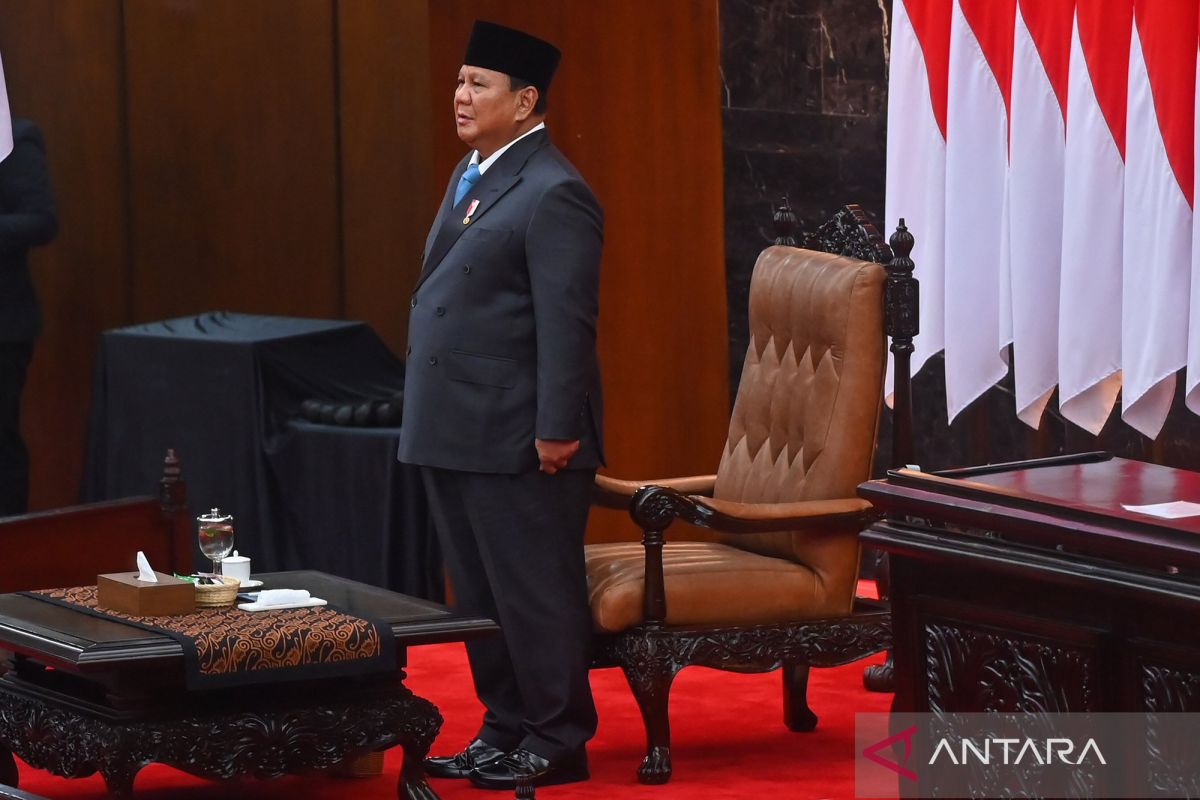
Such policy is carried out, according to him, as fraudulent practices such as export value manipulation through over- and under-invoicing, as well as illegal mining and plantations, have caused losses that should have benefited the country.
“We have calculated a potential savings of US$150 billion a year from these leaks,” Prabowo remarked while presenting the government’s 2027 Macroeconomic Framework and Fiscal Policy Principles (KEM-PPKF) during a plenary session of the House of Representatives (DPR) in Jakarta on Wednesday.
“This is a strategic potential. Whether we can manage it or not depends on our courage and determination,” he added.
As a response, the President announced the issuance of a Government Regulation concerning the Management of Natural Resource Commodity Exports.
The regulation requires state-owned enterprises (SOEs) to become sole exporters of several natural resource commodities, including palm oil, coal and ferroalloys.
“We require that sales be conducted through a state-owned enterprise appointed by the government as the sole exporter. This means that the proceeds from each export sale will be passed on by the government-appointed state-owned enterprise to the business actors managing the activity,” Prabowo explained.
This new policy aims to strengthen oversight and eradicate fraudulent practices, including under-invoicing, transfer invoicing and foreign exchange embezzlement from export proceeds.
“This policy will optimize tax revenues and state revenues from the management and sale of our natural resources,” Prabowo emphasized.
Related news: Prabowo orders swift action on illegal mining in forest areas
Related news: Prabowo orders minister to strengthen action against illegal mining
Translator: Prisca Triferna Violleta, Yashinta Difa