
Prabowo Sets 2028 Deadline to Resolve Indonesia’s Waste Problem as Danantara Opens Technology Tender
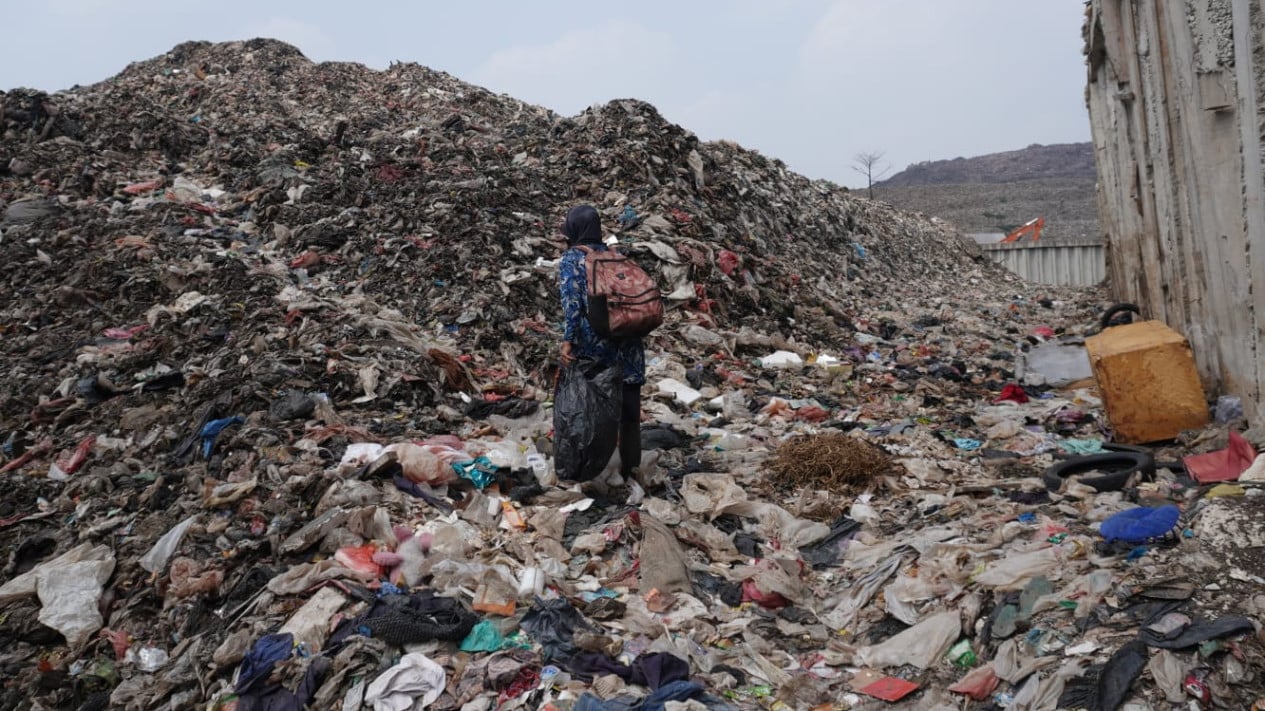
President Prabowo Subianto has set a target of resolving Indonesia’s waste problem by 2028. To meet the deadline, the Daya Anagata Nusantara Investment Management Agency (Danantara) has been tasked with addressing waste issues, including by developing processing technology.
Coordinating Economic Affairs Minister Airlangga Hartarto said the government had prepared steps to accelerate waste management, including a tender for the technology to be used in waste processing.
Airlangga made the remarks at Kearney’s 100 Years of Impact event, themed “Jakarta Towards 500: Shaping the Next Global City Together”, in Jakarta on Wednesday, 28 October 2026.
According to Airlangga, waste is one of the challenges Jakarta must tackle to strengthen its position as a global city. Addressing it requires concrete action so that urban development can go hand in hand with improvements to environmental quality.
“The President is committed to resolving all waste problems by 2028. Danantara has been given the task. The technology tender is under way,” Airlangga said.
Danantara tasked with tackling waste
Danantara’s assignment is part of the government’s effort to accelerate solutions to Indonesia’s waste problem. Developing processing technology is one of the measures being prepared to help meet President Prabowo’s target.
The government is not focusing solely on building waste-processing facilities. Technology readiness, supporting infrastructure and certainty about how project outputs will be used must also be addressed to ensure the facilities can operate effectively.
Airlangga said infrastructure development must be planned comprehensively. The facilities alone are not enough if the supporting systems and users of the services they provide are not in place.
He cited water infrastructure in eastern Indonesia as an example. Completed projects could still face difficulties if their output is not used or there is no party to take up the services provided.
“When we build infrastructure, it has to be complete,” he said.
The same consideration applies to waste management. The government must ensure that processing facilities are supported by appropriate technology and adequate operating systems.
This would ensure that projects do not stop at construction, but are able to process waste in line with their intended purpose.