
Prabowo Overhauls BNPT Structure, Introducing Deputy for National Preparedness to Deputy for Deradicalisation
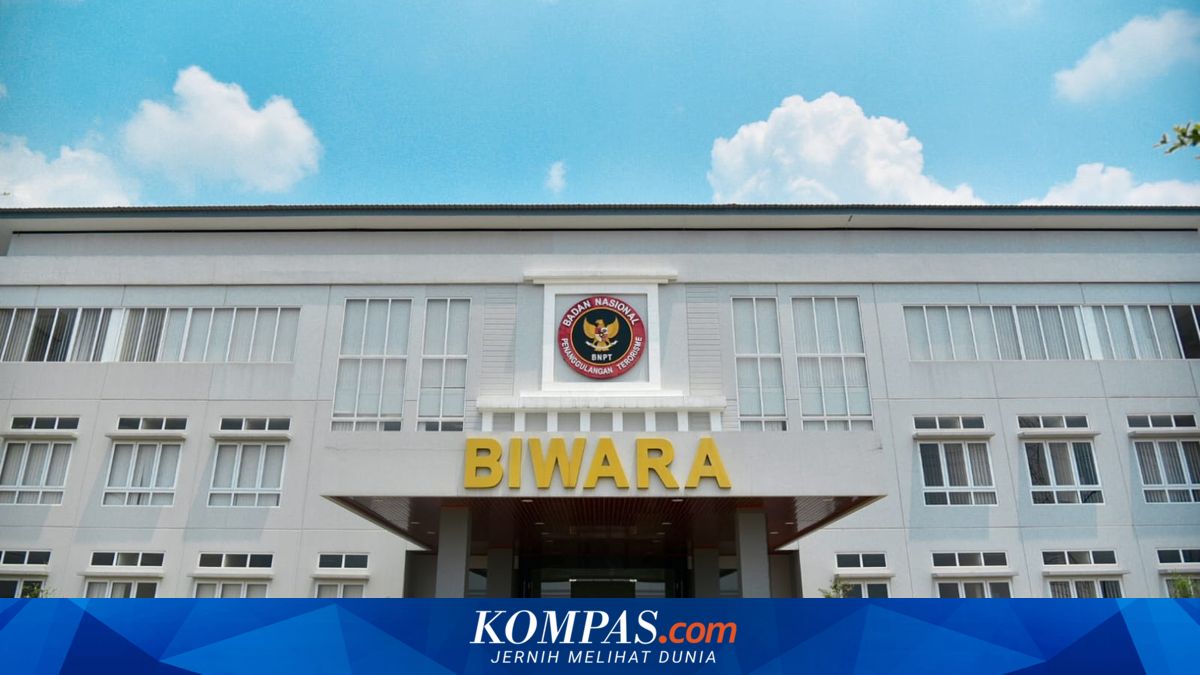
JAKARTA - President of the Republic of Indonesia Prabowo Subianto has made changes to the structure of the National Counter-Terrorism Agency (BNPT) through Presidential Regulation (Perpres) No. 9 of 2026.
As outlined in the regulation, Prabowo signed Perpres No. 9 of 2026 on the BNPT on 9 February 2026.
Article 7 of the regulation states that the BNPT structure consists of the Head, Main Secretariat, Deputy for National Preparedness and Counter-Radicalisation, Deputy for Deradicalisation, Deputy for Coordination Among Law Enforcers and Victim Recovery, and Deputy for International Cooperation.
The Main Secretary and all deputies in the BNPT are under and accountable to the Head of the BNPT.
Article 15 regulates the functions of the Deputy for National Preparedness and Counter-Radicalisation, which include formulating policies, strategies, and national programmes on terrorism in the areas of national preparedness and counter-radicalisation; coordinating and synchronising the implementation of preparations for national preparedness and counter-radicalisation.
Other functions include developing standardisation of technical policies for counter-terrorism in the field of counter-radicalisation; coordinating and implementing community empowerment programmes in the field of national preparedness; coordinating the implementation of protection and enhancement programmes for facilities and infrastructure in the field of national preparedness.
Furthermore, formulating information systems for areas vulnerable to radical terrorist ideologies and determining parameters and classifications of vulnerability levels; providing technical guidance and supervision for counter-terrorism in the field of counter-radicalisation; monitoring, evaluating, and reporting on counter-terrorism in the fields of national preparedness and counter-radicalisation; and carrying out other functions assigned by the Head.
The Deputy for Deradicalisation, as per Article 19, functions to formulate policies, strategies, and national programmes for counter-terrorism in the field of deradicalisation; coordinate and synchronise the implementation of counter-terrorism in the field of deradicalisation.
It also functions to develop standardisation of technical policies in the field of deradicalisation; provide technical guidance and supervision in the field of deradicalisation; monitor, evaluate, and report on terrorism in the field of deradicalisation; and carry out other functions assigned by the Head.
The same regulation also states that the Deputy for Coordination Among Law Enforcers and Victim Recovery has the task of organising the formulation of policies and coordination among law enforcers in counter-terrorism and programmes for the recovery of victims of terrorism offences.
Article 23 lists the functions of the Deputy for Coordination Among Law Enforcers and Victim Recovery, including the formulation of technical policies in the fields of coordination among law enforcers and victim recovery.
“b. coordination among law enforcers starting from examinations at the investigation level, pre-prosecution, prosecution, trial, execution, and placement of terrorism prisoners,” states the regulation.
Article 50 mentions that the main secretary, deputies, and main expert functional positions are appointed and dismissed by the President upon the proposal of the Head in accordance with applicable laws and regulations.
“This Presidential Regulation shall come into effect on the date of its promulgation,” states Article 58.