
Prabowo invites ulama to form a united front to face global turmoil
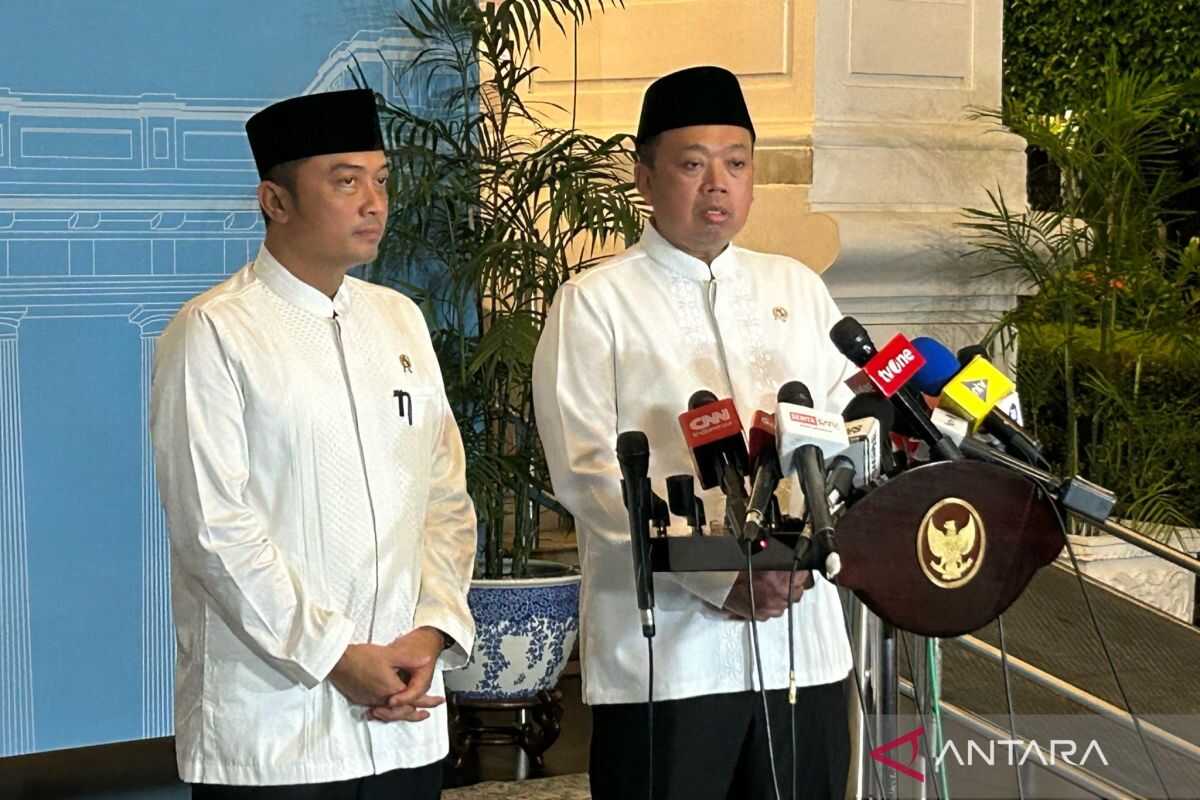
Jakarta — President Prabowo Subianto has urged Muslim clerics and leaders of Islamic community organisations to form a united front in facing global geopolitical turmoil. Prabowo delivered the appeal during a meeting and discussion with Muslim clerics and leaders of Islamic community organisations (ormas) at the Presidential Palace in Jakarta on Thursday (5 March) from 16:00 to 23:00 WIB, held in two sessions. Minister of Agrarian Affairs and Spatial Planning/National Land Agency (ATR/BPN) Nusron Wahid said the meeting was filled with intensive discussions on the conditions of global geopolitics and the national economy. “From four o’clock in the afternoon until iftar, the President, accompanied by the Secretary of State (Mensesneg) Prasetyo Hadi, together with the Coordinating Minister for Food Security (Menko Pangan) Zulkifli Hasan, and the Speaker of the People’s Consultative Assembly (MPR) Ahmad Muzani, engaged in intensive discussions with three ulama and Islamic figures in Indonesia,” Nusron said. He explained that the three figures present in the first session were Rais Aam PBNU KH Miftachul Akhyar, the General Chairman of PP Muhammadiyah Prof. Dr KH Haedar Nashir, and the General Chairman of the Indonesian Ulema Council (MUI) KH Anwar Iskandar. The meeting then continued with a second session with leaders of Islamic organisations, Islamic figures, and leaders of pesantren from various regions. Among the leaders of pesantren in attendance were KH Hasan Abdullah Sahal, head of Pondok Pesantren Gontor; KH Nurul Huda Jazuli, head of Pondok Pesantren Ploso; KH Abdul Hakim Mahfudz, head of Pondok Pesantren Tebuireng; and representatives from Pondok Pesantren Lirboyo, Darunnajah, and Al-Bahjah. According to Nusron, in the discussions the President outlined developments in global geopolitics and geo-economics, particularly relating to conflicts in the Middle East. In addition, the President outlined domestic economic and social conditions and the government’s steps to anticipate the impacts of global conflict, including potential food and energy crises. Nusron said the policy was taken to safeguard the competitiveness of Indonesian products in the United States market and to avoid potential high tariffs on Indonesian exports. From the meeting, the ulama and leaders of Islamic organisations agreed to continue intensive communication with the government and to support the President’s efforts to maintain national stability and to promote global peace. “Then they drew one conclusion, hoping that the leaders of the organisations and the Islamic figures would stand in one line together with the President,” Nusron said. He also noted that the President is pursuing diplomatic steps to help defuse tensions in the Middle East, including the possible opening of channels of communication with Iran. According to Nusron, the move has also received support from several countries in the region and other Islamic states, such as Pakistan and the United Arab Emirates.