
Prabowo Instructs State Banks to Lower Interest Rates for MSMEs
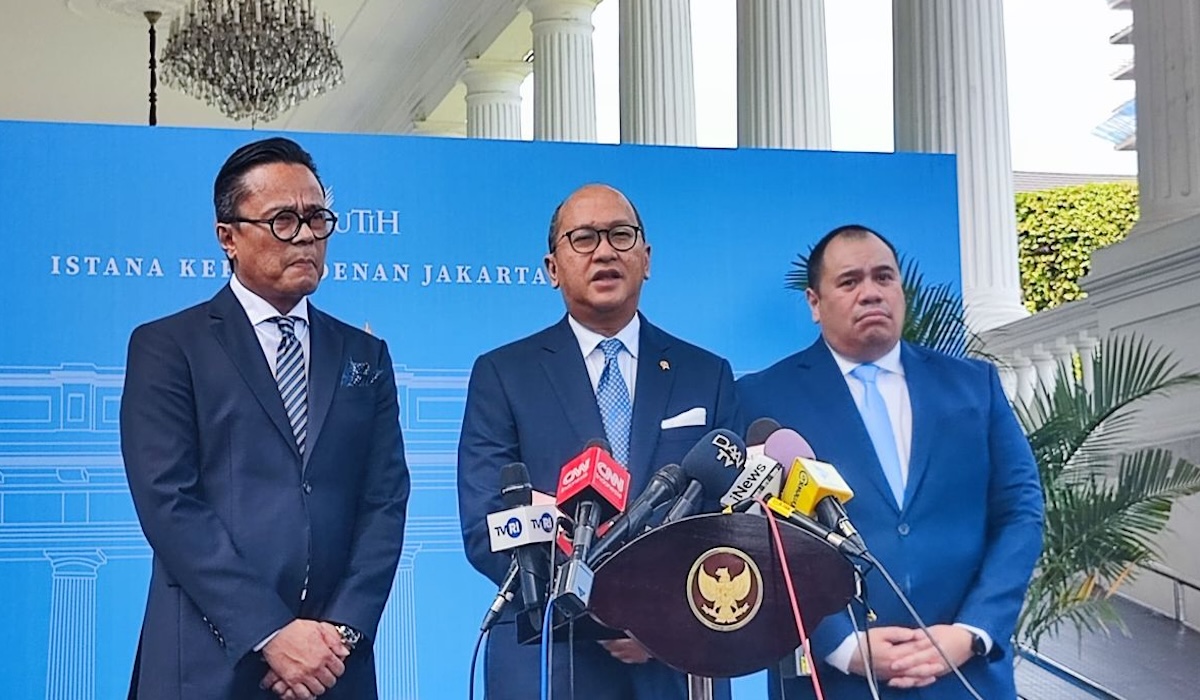
President Prabowo Subianto has instructed the board of directors and commissioners of the Association of State-Owned Banks (Himbara) not to focus solely on pursuing profit, but also to strengthen their social role for the community. During a meeting at the Presidential Palace in Jakarta on Thursday (18/6), the Head of State stressed the importance of expanding financing access and lowering interest rates for Micro, Small, and Medium Enterprises (MSMEs).
Minister of Investment and Downstreaming, who is also CEO of Danantara, Rosan Roeslani, stated that the President wants state-owned banks to become a vital instrument for driving the national economy. According to him, the presence of state-owned banks must be felt directly by the people through pro-people policies.
"The directive from the President is that banking should not solely pursue profit, but its presence must also be felt by the community," Rosan said after the meeting.
One of the main points in the directive is the elimination of interest rate inequality. Until now, small entrepreneurs have often been burdened with higher interest rates compared to large corporations. President Prabowo requested that this trend be reversed to support the competitiveness of MSMEs.
"Small and medium enterprises, which sometimes receive higher interest rates than corporations, must in the future be at the same level, or even lower. It must be lower because this is truly felt by the community," Rosan emphasised.
In addition to MSMEs, the food sector is a top priority that must receive special attention from state banks. Although asked to be aggressive in credit distribution, the President still reminded banks to firmly uphold the principle of prudence in conducting their business.
The government’s optimism regarding the strengthening of the domestic economy is also supported by global geopolitical conditions that are beginning to stabilise. Rosan revealed that the agreement between United States President Donald Trump and the Iranian government has eased global tensions, which has impacted the decline in energy commodity prices.
"The oil price, as mentioned earlier, has fallen below 80 US dollars per barrel. The hope is that this will also provide positive sentiment for our economy," he concluded. With energy price stability, it is hoped that the fiscal burden will decrease and provide more room for banks to support the productive sector domestically.