
Prabowo Inspects TPST BLE in Banyumas, Says It Can Serve as a Model for Modern Waste Management
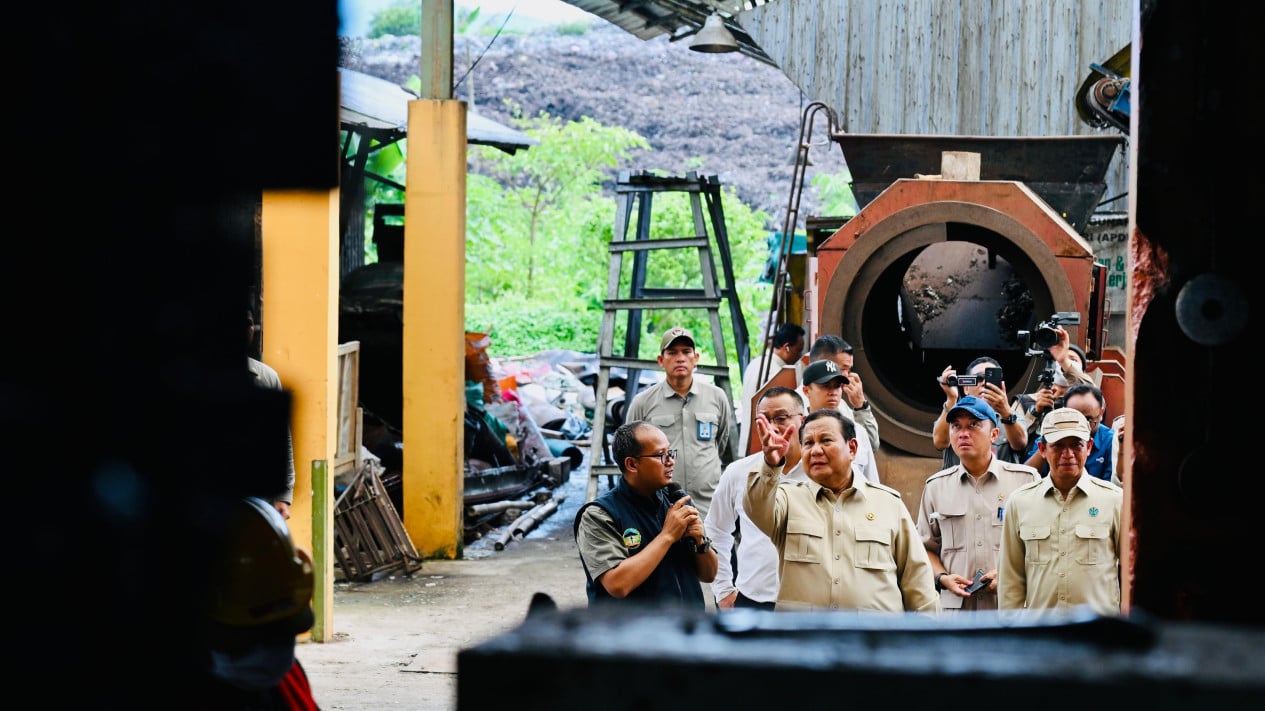
President of the Republic of Indonesia Prabowo Subianto inspected the Integrated Environmentally Sound and Educational Waste Processing Site (TPST BLE) in Banyumas Regency, Central Java Province, on Tuesday, 28 April 2026. This visit forms part of the government’s commitment to bolstering sustainable integrated waste management systems that also hold economic value for the community. During the inspection, Prabowo directly observed the waste processing operations from upstream to downstream, including the utilisation of technology to reduce waste volume and produce derivative products of practical use. TPST BLE Banyumas serves as one example of modern waste management transformation that prioritises circular economy principles. “So, I think this is very effective, yes. It can serve as a model for many provinces, many regencies, and even other countries have come here,” said President Prabowo to the media after the inspection. Furthermore, President Prabowo stated that TPST BLE represents a breakthrough and a good initiative in waste management. The Head of State noted that the waste processing at TPST BLE uses technology that is not overly sophisticated yet effective. “Most of the products are local and integrated into a single system, from households to the regency level. So, I think this is very effective, yes,” said President Prabowo. The main facilities available at TPST BLE include a pre-shredder, trommel screen, organic shredder, waste cleaning machine, and conveyor that support efficient sorting and processing. In addition, the presence of TPST BLE opens up employment opportunities for residents in the surrounding area. Moreover, the purpose of building this TPST is to process waste and produce various derivative products from waste processing, such as plastic roof tiles, manual and injection plastic pavers, fresh maggots, kasgot (organic fertiliser), and alternative fuel in the form of refuse-derived fuel (RDF). This step represents the government’s grand vision in strengthening the green economy and regional self-reliance through sustainable resource management, turning waste from a problem into an opportunity.