
Prabowo Inaugurates 3,395 TNI/Polri Bridges and 3,000 Clean Water Sources
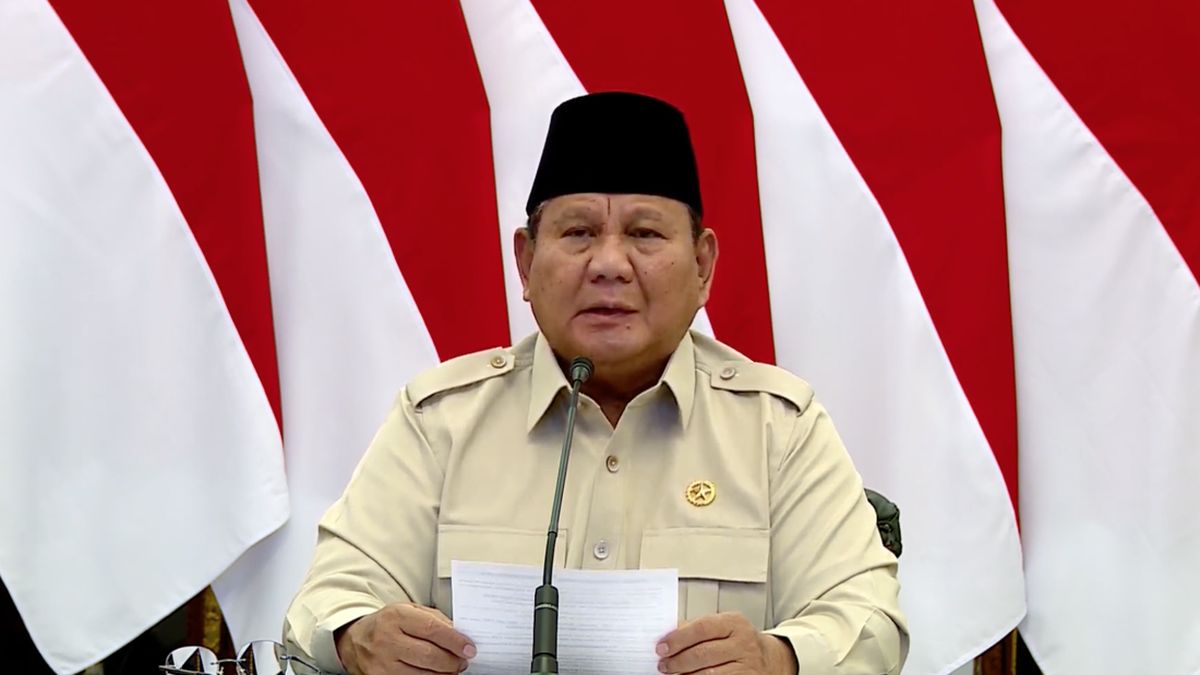
President Prabowo Subianto inaugurated 3,395 TNI/Polri bridges and 3,000 Army clean water sources across several regions of Indonesia on Thursday (13/8).
“By saying Bismillahirrahmanirrahim, on this morning, Thursday 13 August 2026, I, Prabowo Subianto, President of the Republic of Indonesia, hereby inaugurate 3,395 TNI and Polri bridges, and 3,000 Army clean water sources,” said Prabowo.
In his remarks, Prabowo expressed his gratitude to the TNI/Polri for this achievement. He said that the TNI/Polri are the people’s army and police, and therefore must devote themselves fully to the Indonesian people.
After the inauguration, Prabowo also took time to speak with beneficiaries in several regions. They expressed their thanks for the steps taken by the government.
On this occasion, Prabowo asked all members of the public to look after the bridges.
Today, Prabowo virtually inaugurated the Merah Putih Presisi Bridge in several regions of Indonesia. The inauguration was centred in Kampung Bayah Satu, Bayah Barat Village, Bayah District, Lebak Regency, Banten.
The bridge connects Bayah Barat Village with Darmasari Village and provides direct benefits to around 8,000 people.
The Merah Putih Presisi Bridge programme is one form of the National Police’s duty to help meet the basic infrastructure needs of the public, particularly in rural areas that have faced limited access.
“To date, the National Police has built and revitalised 895 bridges on a self-help basis across 30 regional police commands, with a total length of 19.2 kilometres, connecting 1,314 villages and benefiting around 2 million people,” said Minister of State Secretary Prasetyo Hadi in his statement on Thursday (13/8).
These bridges are intended to help open access between hamlets and villages, improve safety, and make it easier for people to reach schools, health facilities, places of worship, and centres of economic activity.
The presence of safe and proper bridges is expected not only to strengthen regional connectivity, but also to open up access to education, basic services, and community economic activity.