
Prabowo Highlights Chicken Portion Sizes in Free Nutritious Meal Programme
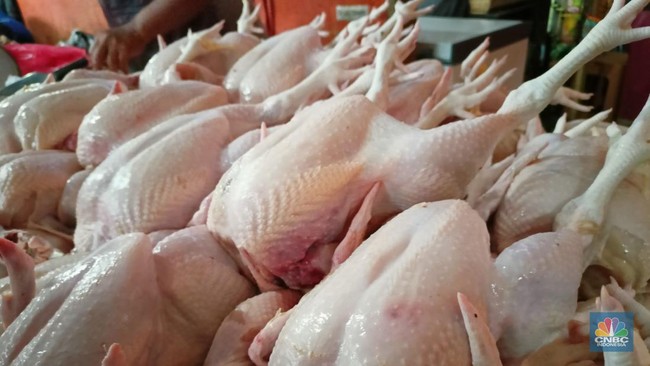
President Prabowo Subianto has spotlighted the size of chicken portions in the Free Nutritious Meal (MBG) programme. He stated that a single chicken should not be cut into too many pieces, as this can affect the portions received by children. Prabowo made the remarks during a consolidation meeting with thousands of MBG partners in Sentul, Bogor. He reminded attendees to maintain portion standards to safeguard the quality of protein intake for programme beneficiaries. “Cutting more than 14 pieces is a sin. How many millions of Indonesian children will be disappointed,” Prabowo was quoted as saying. The statement attracted attention because the culinary and catering industry employs various chicken-cutting standards tailored to serving needs. Chicken is one of the most widely consumed sources of animal protein in Indonesia. In addition to being relatively affordable, it can be prepared into a variety of dishes, from fried chicken, opor and soto to grilled chicken. But what are the differences between cutting a chicken into 2, 4, 8, 12 or even 14 pieces, as alluded to in the MBG programme? A whole chicken is the most basic form, not yet divided into parts, typically used for family servings or special occasions like roast chicken, Sundanese-style ayam bekakak or a whole fried chicken. When split in two, the chicken is halved into a left and right side, each still comprising the breast, thigh and wing, making it quite large – commonly used for half-chicken grilled dishes or large events such as weddings. A four-piece cut divides the chicken into relatively equal quarters, each usually containing a combination of breast, thigh or wing, a size deemed just right and widely used in restaurants for fried, grilled or smashed chicken. The eight-piece cut is one of the most common standards in restaurants and catering; one chicken yields two breasts, two upper thighs, two drumsticks and two wings, considered ideal for a single serving. The 10- to 12-piece cuts involve dividing the breast into smaller sizes, producing more portions and allowing seasonings to absorb more quickly with a shorter cooking time. Cuts of 14 to 20 pieces are commonly used for large-scale catering, buffets and mass meal programmes; the breast may be split into four to six pieces, while the wings are separated into several smaller parts, and even backbones are often utilised for soupy dishes like soto and opor. Because more portions are produced, each piece becomes smaller compared to the eight- or four-piece cuts. The more a chicken is divided, the smaller the portion of protein each beneficiary receives. For this reason, Prabowo reminded MBG partners not to cut chicken excessively, in order to preserve the quality of the protein portion for the millions of Indonesian children who benefit from the programme.