
Prabowo Furious as Illegal Under-Invoicing Hits Rp16,000 Trillion
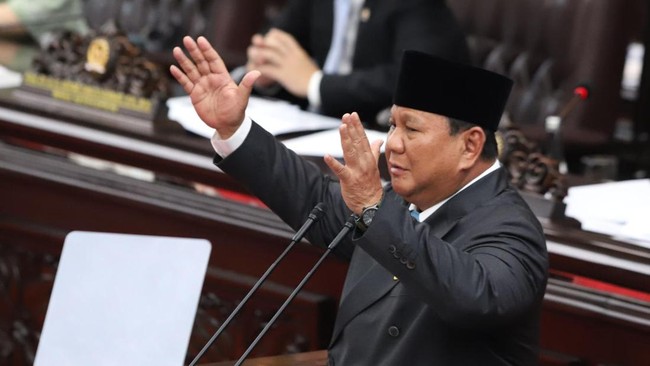
Jakarta, CNBC Indonesia - President Prabowo Subianto used his remarks at the 19th plenary session of the DPR RI today, Wednesday (20 May 2026), to flag under-invoicing practices amid concerns over leakage of national wealth, particularly from trade in natural resources. In his speech, Prabowo noted that one of Indonesia’s major economic problems is that not all profits from exports stay domestically. He referred to under-invoicing, under accounting, transfer pricing, and even smuggling as gaps that render state revenue suboptimal. ‘For 34 years, what has happened is what is called under-invoicing. Under-invoicing is fraud. What is sold by entrepreneurs is not reported truthfully. Many of them set up companies abroad,’ Prabowo said during the speech. In the slide presented during the speech, the cumulative value of export under-invoicing from 1991-2024 was US$908 billion, or about Rp15,980.8 trillion (assuming Rp17,600 per US$1). The figure comes from UN Comtrade 2025 processed by NEXT Indonesia Institute. What Is Under-Invoicing? Under-invoicing is part of trade misinvoicing, one form of illicit financial flow (IFF) in international trade. The practice occurs when the value of a transaction in an invoice is set lower than the actual value. For example, a company exports coal worth US$10 million, but in export documents only US$7 million is recorded. The US$3 million difference is not properly recorded. Under-invoicing can be imagined as shrinking the numbers on the sales receipt. The goods being sold are actually valuable, but on paper they are made cheaper. The impact is very serious. If the reported export value is lower, then liabilities calculated from that value—such as taxes, royalties, export duties, or other charges—are also lower. As a result, state revenue can be reduced. In the NEXT Indonesia report, trade misinvoicing is described as the practice of moving money across borders illegally by manipulating trade data. The manipulation can be on value, quantity, or quality of goods, so trade documents do not reflect the actual condition. Besides under-invoicing, there is also over-invoicing, i.e., when the value of the transaction is reported higher than the actual value. Both can be used to avoid taxes, reduce duties, or move money across borders illegally.