
Prabowo: Free Nutritious Meal Programme is a Strategic Investment in Human Capital
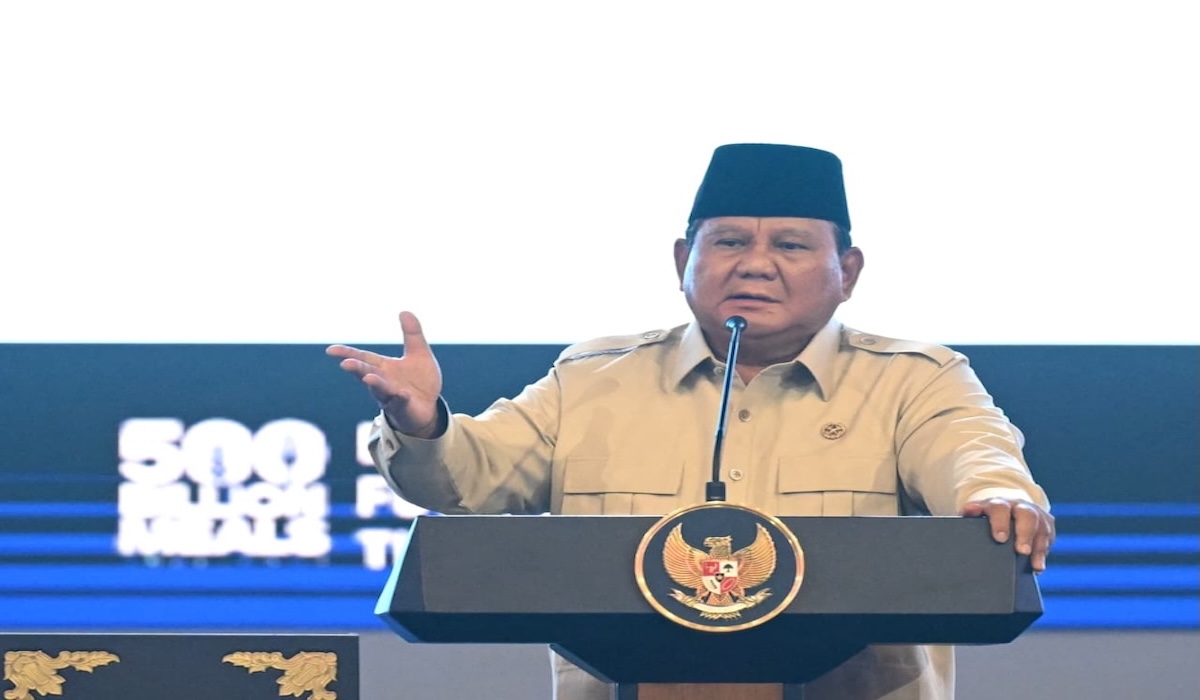
President Prabowo Subianto has asserted that the Free Nutritious Meal (MBG) programme aims not only to meet the nutritional needs of Indonesian children but also serves as a strategic step to enhance the quality of national human resources. This statement was made during the ‘Building Indonesia’s Future Generations Through Nutrition’ event at the Sentral International Convention Centre, Bogor, on Wednesday.
Prabowo explained that many children in various regions still face malnutrition, which directly impacts their growth and development. He noted that in some parts of the country, malnutrition rates approach 30%, leading to stunting and impaired brain and muscle development. Such conditions hinder children’s ability to reach their full potential and limit their future educational and economic opportunities.
Consequently, the President views the role of the National Nutrition Agency (BGN) and the MBG programme as vital for supporting those in need while building a high-quality future generation. He noted that many developed nations have implemented similar programmes as part of their strategies for welfare and human resource improvement. “If this programme succeeds, it will trigger significant progress for our economy,” he stated.
Beyond health and education, Prabowo believes the MBG programme has the potential to revitalise rural economies. The establishment of MBG kitchens is expected to create a stable market for agricultural products and local businesses, thereby increasing community income. He noted that if the kitchens operate correctly, the rural economy will thrive, farmers’ incomes will rise, and they will be protected from exploitative middlemen through guaranteed product absorption.
Prablowo expressed optimism that the programme could create massive-scale impact. At its peak, serving approximately 83 to 85 million beneficiaries through 30,000 kitchens, the programme is projected to generate 1.5 million formal jobs and another 1.5 million jobs within the rural economy, totalling 3 million new jobs. This, he believes, will significantly increase the circulation of money within villages.