
Prabowo Establishes State-Owned Export Monopoly for Strategic Commodities
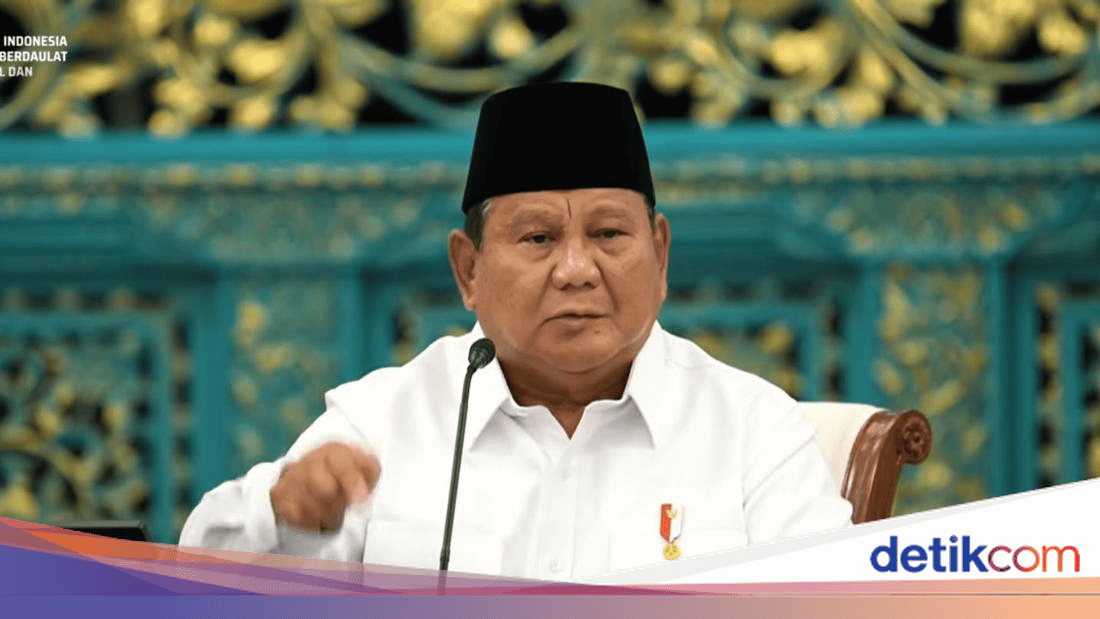
President Prabowo Subianto has announced the establishment of a new state-owned enterprise, PT Danantara Sumberdaya Indonesia (DSI), which will serve as the single export channel for the nation’s strategic commodities. The policy, unveiled during a Cabinet Meeting at the State Palace, is designed to combat widespread under-invoicing that the President claims has led to massive foreign exchange losses.
DSI will act as the sole aggregator and exporter for commodities including nickel, rubber, palm oil, coal, and gold. President Prabowo stated that the initiative was born from consultations with the Financial System Stability Committee (KSSK) and the National Economic Council (DEN), where he questioned the continued tolerance of hundreds of billions of dollars flowing out of the country due to export fraud. The new system replaces the current mechanism where individual companies export directly.
This move is part of a broader effort to strengthen fiscal governance amid a state budget deficit that reached Rp240.1 trillion by March 2026. By centralising exports, the government aims to capture lost state revenue without raising taxes. The policy could enhance Indonesia’s bargaining power in global markets, particularly for commodities where it is a dominant producer, such as nickel and palm oil.
However, the policy introduces significant uncertainty for the investment climate. Major listed mining and plantation companies may lose control over their export strategies, and if DSI purchases commodities below market prices, corporate margins could be severely impacted. This has the potential to depress share valuations on the Indonesia Stock Exchange. While small and medium exporters might benefit from price stability and guaranteed purchases, the lack of clarity regarding the compensation scheme and the potential for preferential treatment towards large players remain key concerns for the business community.