
Prabowo Breaks Ground on 13 National Downstream Projects Phase II Worth Rp 116 Trillion
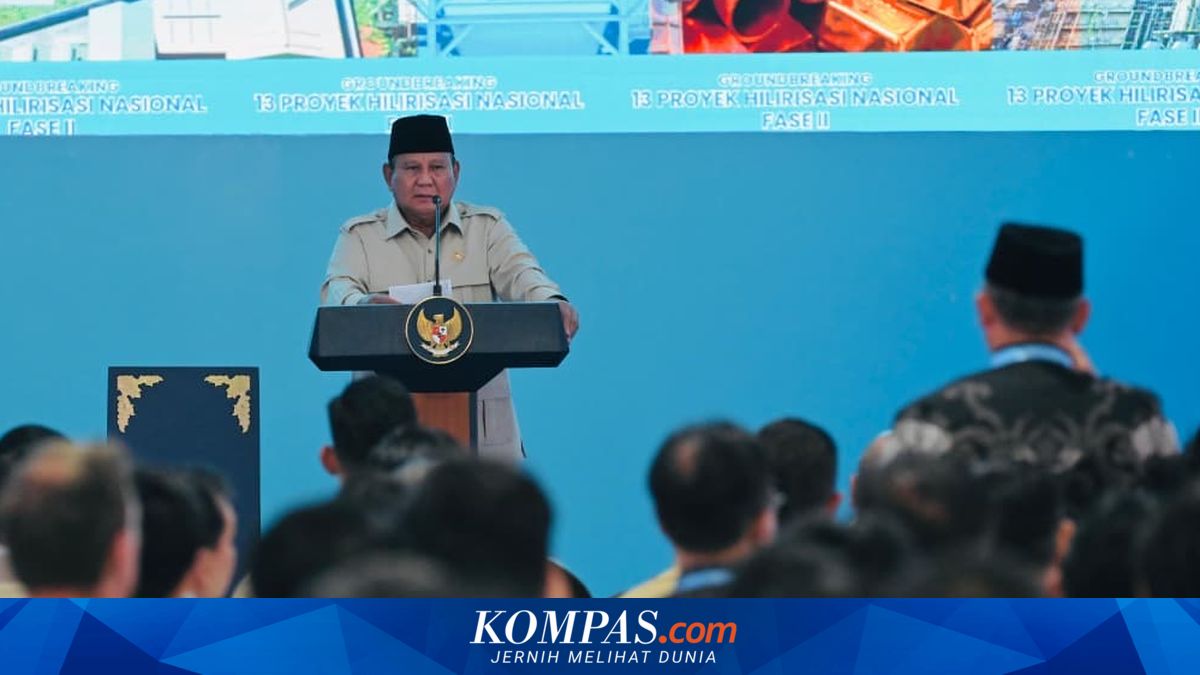
President of the Republic of Indonesia, Prabowo Subianto, conducted the groundbreaking for the national downstream projects Phase II at Refinery Unit IV in Cilacap, Central Java, on Wednesday (29/4/2026). The event forms part of the government’s commitment to accelerating the national industrial transformation through strengthening downstream activities in strategic sectors. The ceremony began with the singing of the Indonesian national anthem, Indonesia Raya, followed by a joint prayer as a symbol of hopes for the smooth and successful execution of the projects. It then proceeded with the screening of a video outlining the plans and scope of the Phase II downstream projects to be developed. In his remarks, Prabowo emphasised that downstream processing is key to increasing the added value of Indonesia’s natural resources (SDA) while reinforcing national economic independence. “The groundbreaking for the second Phase II downstream projects, encompassing 13 strategic downstream initiatives worth approximately Rp 116 trillion, includes 5 projects in the energy sector, 5 in the minerals sector, and 3 in the agriculture sector,” he stated in a written release received by Kompas.com. Previously, Minister of Investment and Downstreaming, as well as Head of the Nusantara Future Investment Management Agency (BPI Danantara), Rosan Roeslani, explained that the Phase II downstream projects represent a continuation of the government’s strategic efforts to bolster the national industrial ecosystem. Rosan elaborated that processing state assets serves as a catalyst for national economic transformation, positioning state investments to deliver maximum benefits for the Indonesian people. “We will undertake this as the beginning of a great leap for Indonesia as a nation that is not only rich in natural resources but also sovereign in their processing, excels in production, and prospers from the results,” he said. The projects encompass refinery capacity enhancements, development of high-value derivative products, and construction of supporting facilities that strengthen the national industrial supply chain.