
Prabowo Accelerates Revitalisation of 71,000 Schools
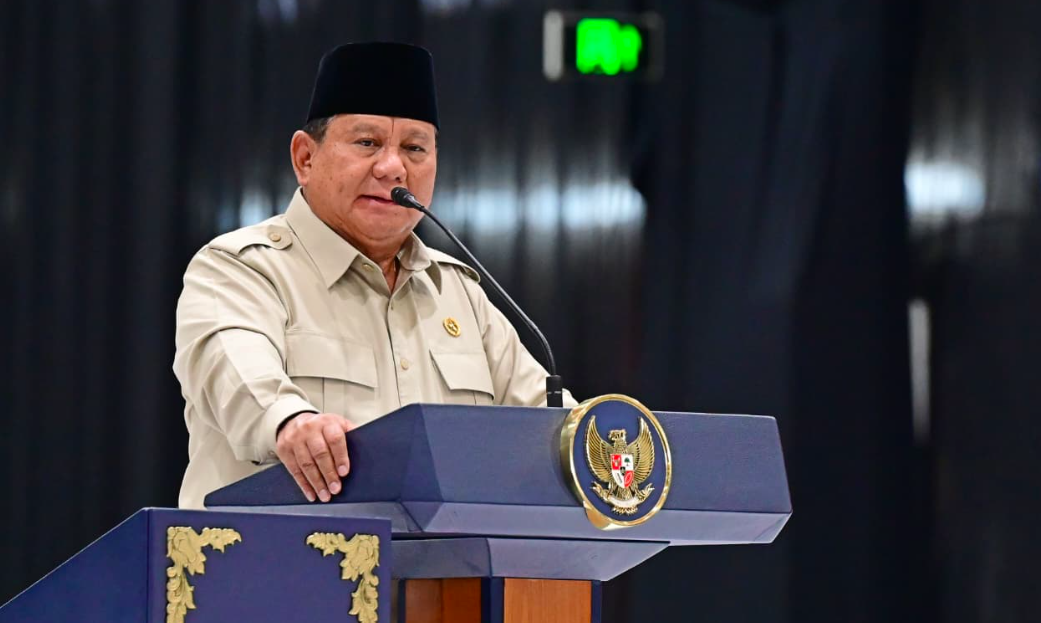
President Prabowo Subianto is encouraging the acceleration of several priority programmes in the education sector, ranging from school revitalisation to the development of Integrated National Schools. The directive was conveyed during a meeting with Minister of Primary and Secondary Education Abdul Mu’ti at Merdeka Palace, Jakarta, on Thursday (11/6). During the meeting, Abdul Mu’ti reported on the progress of the school revitalisation programme, one of the government’s main focuses. He stated that the 2025 revitalisation target had been fully realised, covering 16,167 educational units in various regions. For 2026, the government has prepared a budget of Rp14 trillion, which has been approved by the DPR. The funds will be used to repair 11,744 educational units, plus an additional 60,000 schools, bringing the total number of schools revitalised this year to 71,744 educational units, from kindergarten to upper secondary levels. According to Abdul Mu’ti, the benefits of the programme are not only felt in the improved quality of educational facilities but also have a significant economic impact on local communities because the work is carried out through self-management by each school. ‘We also conveyed that this revitalisation programme is not only related to improving the quality of education, but our research also shows it has an economic impact because the system is self-managed, with construction carried out directly by each educational unit. We estimate there will be labour absorption at the regional level; those working on these revitalisations for the 71,744 units will number around 1.1 million people who can work for a period of between 3 to 8 months,’ said Abdul Mu’ti. He explained that the school revitalisation programme has received a positive response from the public, especially in frontier, outermost, and disadvantaged (3T) areas. Many schools that had not seen repairs for years are now beginning to receive more adequate facilities to support the teaching and learning process. ‘We visited the regions, especially the 3T areas. They are very grateful because, although according to the law the responsibility for development lies with the local government, due to the President’s commitment to improving the quality of education, we are revitalising these schools, both public and private, and we are carrying this out throughout Indonesia,’ said Abdul Mu’ti. In addition to discussing school revitalisation, Abdul Mu’ti also reported on the progress of the Integrated National School programme, which the government is preparing as part of efforts to provide more equitable, high-quality education. The programme is designed as a non-residential, excellent school with integrated education service standards. The government is targeting the construction of 100 Integrated National Schools this year. ‘This is an excellent, non-boarding school, and this year we plan to build 100 integrated national schools. Proposals have already been submitted and we have pre-selected 36. This year we will start, God willing, five will be opened in training centres owned by the Ministry of Primary and Secondary Education, then one in the IKN, and then nine new ones we will build in pre-selected areas,’ concluded Abdul Mu’ti.