
PPHN Draft Highlights Election Costs; Muzani: Democracy Must Not Become a Burden
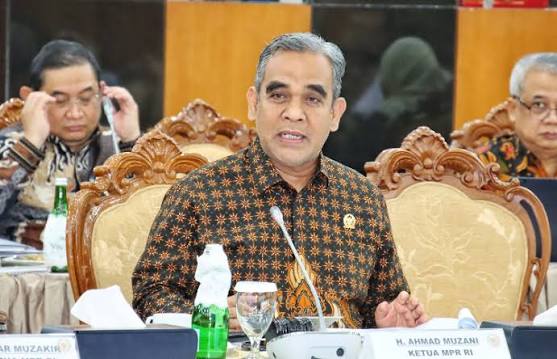
The Speaker of the MPR RI, Ahmad Muzani, explained the proposal to review the election implementation system within the study of the Draft Substance of the State Policy Guidelines (PPHN). According to him, this review could specifically target the limitation of election costs.
“Yes, a review implies many things. For example, limiting the amount of expenditure,” Muzani stated on Tuesday (1/9).
Muzani noted that high political costs can hinder public participation in democracy. Therefore, the implementation of elections needs to be made more effective and efficient so as not to become a burden.
“So that the election is effective, efficient, yet on target,” he said.
He emphasised that the ideas within the PPHN study are not intended to determine the system or technical implementation of elections. The MPR will also not bring these ideas into the technical discussions of the Election Bill in Commission II of the DPR RI.
According to Muzani, the MPR does not have the authority to determine election mechanisms. Furthermore, the PPHN study has not yet been established as an MPR Decree (Tap MPR), so it cannot yet serve as a reference in the discussion of the Election Bill.
“The MPR focuses on how the democratic process, which is our choice in how we manage the people’s aspirations, is joyful, pleasant, encouraging, and inspiring. Everyone can participate, whether being elected or voting,” said the Gerindra Party politician.
Muzani also mentioned that based on MPR data, the majority of the Indonesian people still desire direct elections, both for legislative elections and regional head elections (pilkada).
Previously, the Draft Substance of the PPHN study did include a proposal to review the election implementation system. In Chapter IV regarding Policy Direction, the MPR proposed that the election system be reviewed to increase the chances of electing competent and high-integrity candidates and to limit high-cost politics.
The study also encourages political parties to become more independent, transparent, and accountable, including in conducting political education and recruitment.
The MPR assesses that high election costs can open space for economic oligarchs and capital owners to influence the processes of power and state policy. Therefore, political reform within the PPHN study is directed towards an election system that is lower in cost, transparent, and accountable.
“Democracy must not become a burden, including in terms of financing,” Muzani asserted.
M Jamiluddin Ritonga stated that the PPHable needs to be designed carefully so as not to conflict with the presidential system, democracy, and regional autonomy that have developed since the Reformation.
Muzani mentioned that the President welcomed the PPHN draft and hopes that this formulation of national guidelines will soon be ratified as an official legal product. The Head of State has left it entirely to the constitutional mechanisms within the MPR to establish the PPHN as a guideline for the upcoming administration.
While the Constitution should not be changed too frequently, it should also not be closed off to amendments so that it can keep pace with the changes and developments of the era.