
Powerful! Trump Revives Coal Prices After Five Days in the Doldrums
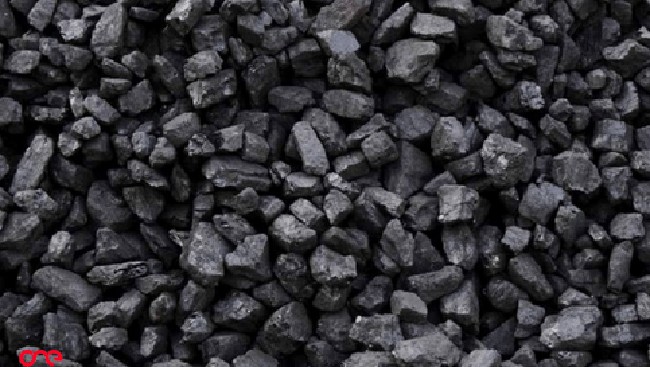
Jakarta, CNBC Indonesia – Coal prices climbed, supported by rising oil prices and Donald Trump’s policies.
According to Refnitiv, coal prices in Monday’s trading (14/9/2026) closed at US$148.55 per ton, strengthening 0.44%.
The rise broke the negative trend in which the black sand commodity had weakened for five consecutive days.
The increase in coal prices was underpinned by a surge in oil prices. In Monday’s trading, West Texas Intermediate (WTI) crude futures rose 1.34% to US$101.39 per barrel, while Brent crude rose 1.02% to US$105.68 per barrel.
The rise in coal prices was also supported by Trump’s policies.
The United States Environmental Protection Agency (EPA) announced on Monday that it will no longer regulate emissions causing global warming from coal- and natural gas-fired power plants.
The EPA estimates that coal production for the electricity sector could increase more than tenfold as a result of the policy change. This is a highly positive catalyst for US thermal coal.
The EPA said the policy is part of efforts to repeal most of the climate rules from the Joe Biden administration on the grounds of reducing “bureaucracy” that raises energy costs. The EPA also proposed repealing electricity sector rules from the Barack Obama era and preventing future administrations from implementing similar regulations.
Coal- and gas-fired power plants are the second-largest source of greenhouse gas emissions in the United States and a major driver of global climate change.
EPA Administrator Lee Zeldin said the Trump administration wants to protect the US energy sector and ensure the public can still afford their electricity needs.
However, experts warn that repealing these rules could add up to 5.8 billion metric tonnes of carbon dioxide emissions by 2050 and cause impacts worth hundreds of billions of dollars through pollution, disease and premature death.
Zealan Hoover, a former senior adviser to the EPA during the Biden era, said rising electricity demand does not have to be met through highly polluting coal and gas power plants. According to him, the government could actually set strict public health standards, but the current administration has instead chosen to cut those standards.
Coal use in the US rose around 10% last year, partly driven by growing energy demand from data centres. The Trump administration is also encouraging coal use to meet data centre energy needs.
At the same time, the Trump administration is pushing investment in oil and gas, including a US$700 million investment in the coal sector and a coal export terminal in Oakland.
In contrast to the US, Shanxi Province, China’s largest coal-producing region, is accelerating its transition towards a cleaner and more diversified energy structure. This step is being taken as China pursues its targets of peaking carbon dioxide emissions before 2030 and achieving carbon neutrality before 2060.
Shanxi is gradually reforming its industrial structure.
In underground mines, automation technology and 5G networks are beginning to be applied to improve efficiency. Meanwhile, on the surface, former areas affected by land subsidence due to mining activity have been converted into large-scale solar and wind power zones.
At the same time, Shanxi has started using hydrogen-powered commercial vehicles for freight routes, utilising geothermal resources for district heating, and capturing methane from coal mines to be used as a source of electricity generation.
Chinese Coal Prices Under Pressure
China’s domestic thermal coal market remains under pressure even though some mines have attempted to raise prices.
A number of mines raised prices for coal types deemed competitive in terms of cost. However, the increase has not been enough to reverse the market’s weakening trend.
Demand from end users remains sluggish. Many buyers are holding off on purchases, while traders tend to wait and see.
Coal purchasing activity has weakened because power plant needs are under pressure. Typhoon activity in southern and eastern China has reduced electricity demand.
Coal stockpiles at power plants remain high, while supply from long-term contracts is also sufficient, so fresh purchasing needs are limited.
These conditions mean that price increases at the mine level remain tentative and have yet to show a strong trend reversal.
More broadly, China’s coal market at the time faced a combination of weakening electricity demand, high plant stockpiles, and cautious buyers. This makes it difficult for domestic coal prices to strengthen even though some mines have attempted to raise prices.
Source: jawawa.id (https://jawawa.id/newsitem/powerful-trump-revives-coal-prices-after-five-days-in-the-doldrums-1789437174)
Originally published by CNBC Indonesia (https://www.cnbcindonesia.com/research/20260915070515-128-767893/sakti-trump-bangkitkan-harga-batu-bara-setelah-mati-suri-5-hari), translated from Indonesian