
Power Plant Entrepreneurs Ready to Support Energy and Food Security
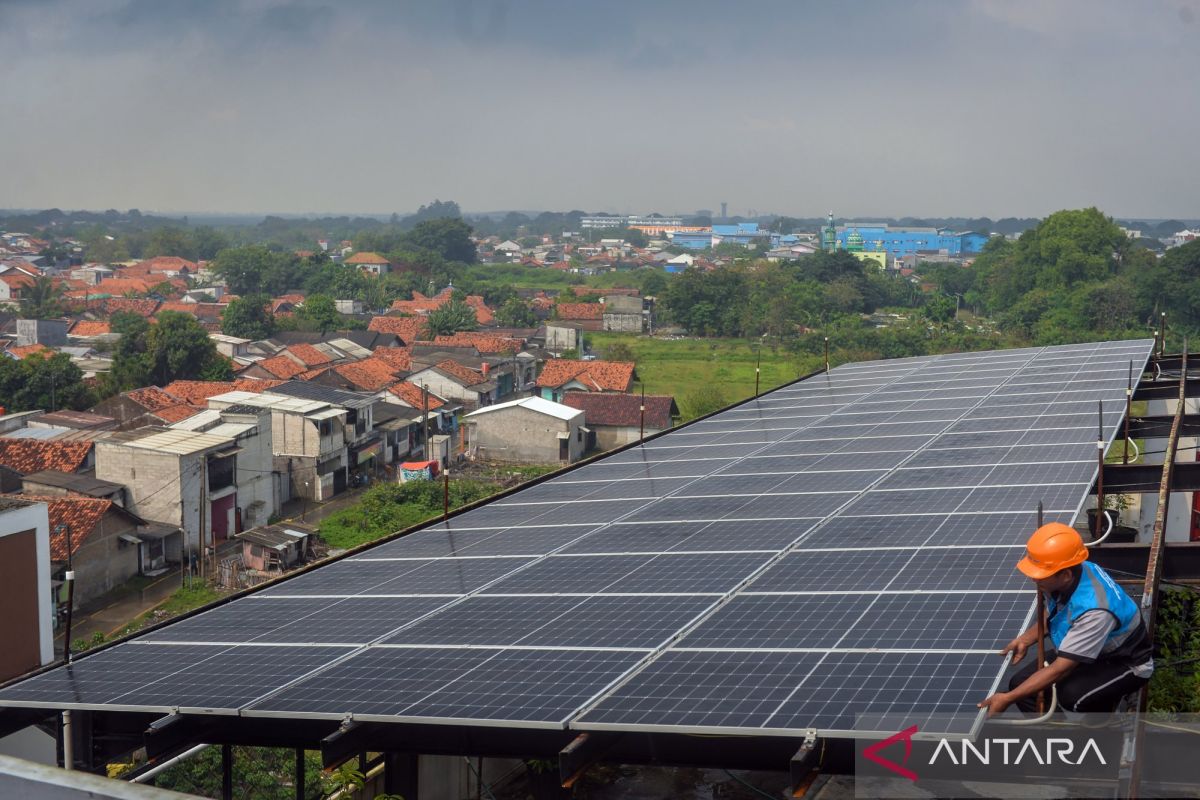
Jakarta (ANTARA) - Owner of PT Berkat Cawan Group, Albert Junior, a company developing two hydroelectric power plant (PLTA) projects in West Java, has conveyed his readiness to support Indonesia’s energy resilience and food self-sufficiency programmes. The two projects undertaken by the company include the 99 MW PLTA Cibuni project in Sukabumi and Cianjur, as well as the 75 MW PLTA Cimandiri in Sukabumi, West Java. “Currently, these two projects are being finalised by PT Berkat Cawan Energi. These projects are expected to strengthen the national electricity supply while serving as an important part in accelerating the transition to clean energy in Indonesia,” Albert said in a statement received in Jakarta on Thursday. From the permitting side, he continued, it has already been completed, and in 2026, it will enter the construction phase. According to him, as a country surrounded by water, it is very appropriate for Indonesia to utilise it to generate electricity. Like the PLTA in Sukabumi, which supplies electricity in West Java. He stated his conviction that if the water energy potential is optimally utilised, Indonesia has a great opportunity to achieve energy independence without having to sacrifice agricultural or plantation land. Furthermore, Albert said that energy resilience is closely linked to food resilience. Because water resource management is also useful for irrigation and the provision of clean water. “There are three main benefits that we can obtain, namely electricity, support for agriculture, and clean water management. Even the quality of the water can be more assured,” he said. For him, the water management system is a key factor in supporting agricultural productivity. If the energy supply is disrupted, especially those still dependent on coal, then electricity distribution will be affected, which ultimately disrupts the entire food production chain, from irrigation to processing agricultural products. He added that if we want to strengthen food resilience, the first step that must be taken is to improve energy infrastructure, especially electricity. The most important thing for him is how to create electricity that truly comes from new renewable energy, by utilising abundant natural resources such as water. “Indonesia has many rivers, so it does not have to always rely on other energy sources,” he said. Albert also highlighted the high prices of energy and minerals influenced by the dominance of fossil fuel use, such as coal and diesel. “A transformation is needed by making water energy a strategic solution. The projects in Sukabumi are concrete efforts to replace dependence on coal with renewable energy,” he said.