
Poverty in Malinau Regency Falls as Human Development Index Rises
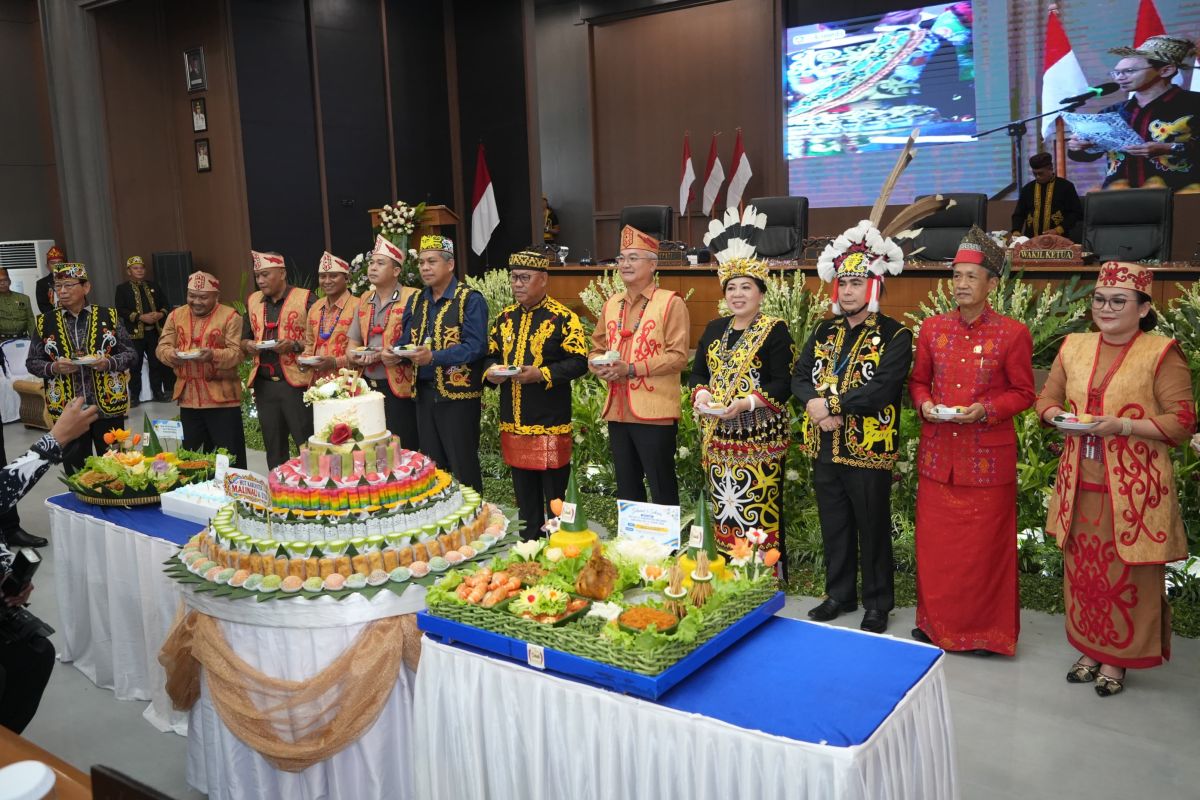
Investment in basic infrastructure, the renovation of uninhabitable homes, improved road access, clean water provision, and educational and health facilities is continuing to expand residents’ access to essential services.
Malinau, North Kalimantan (ANTARA) – Malinau Regent Wempi W Mawa said poverty in Malinau Regency had fallen and its Human Development Index (HDI) had risen.
He made the remarks at the First Special Plenary Meeting of the Malinau Regency Regional House of Representatives (DPRD) for the Third Session of 2026, held to mark the regency’s 27th anniversary.
“Malinau Regency’s poverty rate fell from 5.56% in 2025 to 4.92% in 2026,” Wempi said at the Malinau DPRD building in North Kalimantan on Monday.
Wempi said the decline was supported by a range of poverty-reduction programmes, including social assistance, low-price market operations, subsidies for passenger and freight transport, school supplies and scholarships.
The local government was also seeking to raise incomes through job training, the development of micro, small and medium-sized enterprises (MSMEs), and the Milenial Mandiri programme, he said.
“We are also continuing to promote the development of basic infrastructure, the renovation of uninhabitable homes, improved road access, clean water provision, and educational and health facilities to expand public access to essential services,” he said.
On human development, the regent, who is serving his second term, said Malinau Regency’s HDI stood at 75.21 points in 2025, up 0.49% from 74.72 points in 2025.
“This improvement reflects progress in education, health and decent living standards,” Wempi said.
He added that ensuring equitable access to essential services remained an important task for the local government. The regency’s anniversary, he said, was not merely a ceremony but an opportunity to assess development outcomes and strengthen the commitment to improving residents’ welfare.
“Development must be measured by the tangible benefits people experience, such as better-quality education and healthcare, more job opportunities, reduced poverty and improved public services,” he said.